⚠️ VETERINARY CONSULTATION REQUIRED: Before changing your flock’s feeding routine, consult with an avian veterinarian familiar with your birds’ specific needs and health status.
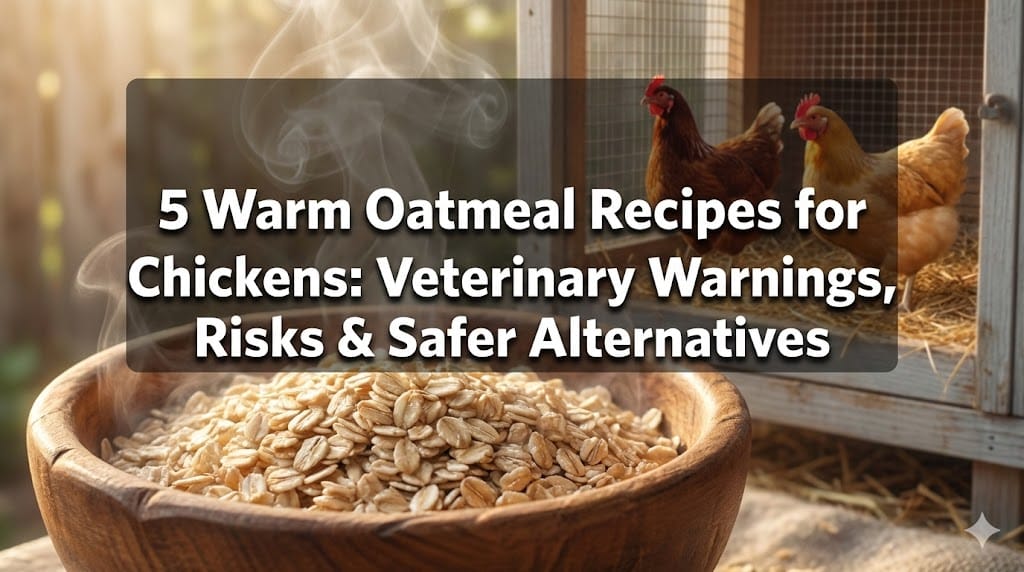
Raising backyard chickens in cold climates presents a dilemma. For years, many homesteaders have relied on warm oatmeal to provide comfort to their flocks during freezing winters. However, treating chickens requires strict adherence to safety guidelines to avoid harming their sensitive digestive systems, as emphasized by the USDA National Agricultural Library.
While oatmeal is controversial, understanding complete winter feeding strategies helps you make informed decisions about your flock’s cold-weather nutrition.
Important Safety Rule: These recipes are occasional treats only and should never exceed 10% of total daily diet, a standard recommended by the American Association of Avian Veterinarians. Your chickens’ primary nutrition must come from complete layer feed.
Intention: These occasional treats may provide variety when fed responsibly as part of a complete nutrition program. They are not intended to cure illness or replace a balanced diet. Every flock responds differently. What works for one backyard keeper may cause problems for another. Monitor your birds closely.
The Great Oatmeal for Chickens Controversy: Expert Warnings
It is critical to understand that the topic of feeding oatmeal to chickens is highly controversial in the poultry community.
While many homesteading blogs promote oatmeal, reputable poultry nutritionists disagree regarding its safety.
The Risk of Necrotic Enteritis: Some poultry nutritionists, including Dr. Patrick Biggs, PhD, caution that beta-glucan in oats can cause serious digestive issues including necrotic enteritis (a potentially fatal bacterial infection).
- Viscosity: Research published in Annals of Translational Medicine confirms that barley-derived β-glucans have negative effects on the digestive tract resulting from increased intestinal viscosity.
- Mechanism: According to University of Kentucky Extension research, beta-glucans bind with water in the intestines, resulting in gel formation that increases viscosity and is associated with necrotic enteritis caused by Clostridium perfringens.
- Warning Signs: Monitor your flock closely and discontinue feeding immediately if you notice sticky droppings, “wet litter,” or reduced activity.
Important Scientific Distinction: Not All Beta-Glucans Are Equal
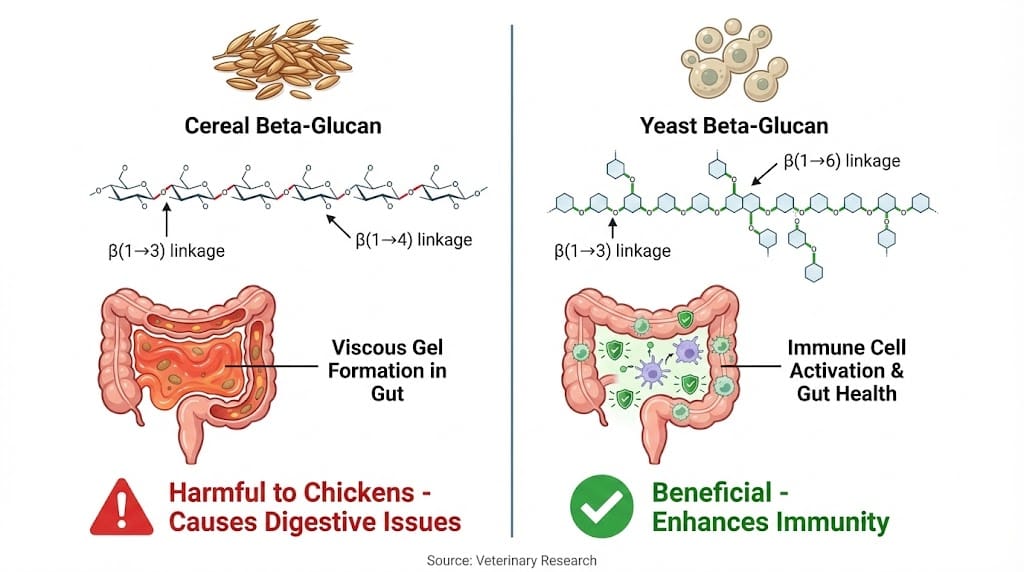
It is important to distinguish between the types of beta-glucans, as they affect chickens differently based on their source and molecular structure.
- Cereal-Derived Beta-Glucans (The Risk in Oats): The beta-glucans found in oats and barley have β(1→3)(1→4) linkages. Research published in PMC confirms that β-glucans derived from cereals exert a serious harmful effect on poultry health or performance due to increased intestinal viscosity.
- Yeast-Derived Beta-Glucans (The Beneficial Supplement): In contrast, beta-glucans derived from yeast have β(1→3)(1→6) linkages. Research in Frontiers in Veterinary Science demonstrates that yeast-derived beta-glucans exert significant and positive effects on immune activity and intestinal morphology. They are often used as beneficial feed supplements to prevent diseases like necrotic enteritis.
The Bottom Line: This article specifically addresses the risks of cereal-derived beta-glucans found in oatmeal, which pose a viscosity risk, unlike the beneficial immune-supporting beta-glucans found in yeast supplements.
⚠️ Key Takeaway: Beta-glucans from oats (cereal-derived) create harmful gels in the intestine, whereas beneficial beta-glucans found in supplements come from yeast. They are not the same.
The Naked Oats Exception: Counter-Research
Some research suggests that naked (hulled) oats at up to 40% of the diet showed no adverse effects in broiler chickens in controlled studies. This represents significant counter-evidence to the “oats are never safe” position. However, several factors may explain why this might not apply to your backyard flock:
- Diet Formulation: Commercial diets in these studies were precisely balanced and often included specific enzymes to help break down beta-glucans.
- Individual Variation: What works in controlled commercial settings does not always translate to diverse backyard flocks with varying health statuses.
- Naked vs. Regular Oats: Most backyard keepers feed rolled oats (processed) or whole oats (with hulls), not the specific “naked oats” used in research.
Conclusion: Given these uncertainties and the documented risks in other contexts, extreme caution remains warranted for backyard keepers.
The Nutritional Dilution Problem: Beyond the digestion risk, feeding oats creates a nutritional deficit. Because a chicken’s crop has limited space, filling it with oats prevents them from eating their scientifically formulated feed, a concern highlighted by experts at Penn State Extension.
Nutritional Comparison: Layer Feed vs. Oatmeal
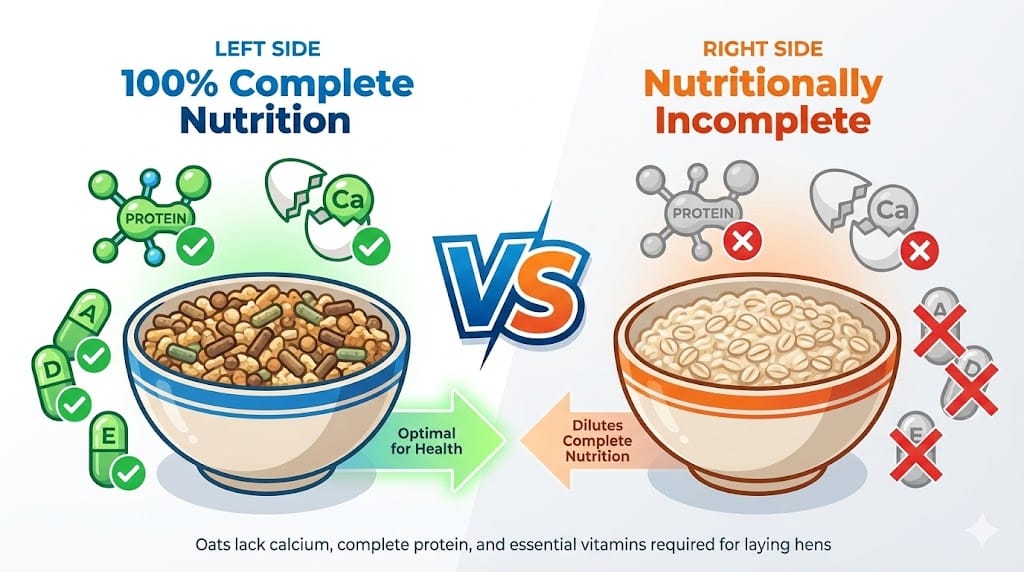
The chart below, based on analysis by poultry nutritionist Dr. Patrick Biggs, illustrates why oats are considered ‘nutritionally dilute’ compared to standard layer feed.
| Nutrient | Complete Layer Feed (Required Daily) | Oatmeal (Treat Only) | The Risk |
|---|---|---|---|
| Protein | 16-18% (Complete Amino Acids) | ~11-13% (Incomplete) | Reduced feather production & egg laying |
| Calcium | 3.5-4.5% (Essential for shells) | ~0.05% (Negligible) | Soft eggshells & bone health issues |
| Vitamins A, D, E | Fully Fortified | None / Trace Amounts | Immune system suppression |
| Fiber Structure | Balanced for digestion | High Beta-Glucans | Viscous gel formation in gut |
Oat Types & Preparation: Reducing the Risk
Understanding the difference between oat types is crucial for safety. While no preparation method eliminates beta-glucans entirely, how you prepare them impacts digestability.
Soaked Oats for Chickens
“Soaked oats for chickens” is a common preparation method favored by many keepers. Soaking whole oats for 24 hours softens the tough hull, making them physically easier to pass through the digestive tract.
- The Benefit: Soaking improves hydration and reduces the risk of crop impaction (blockage) compared to dry whole oats.
- The Limitation: While soaking makes the oats softer, it does not remove the beta-glucans. The risk of gel formation in the intestine remains, even with soaking. Always monitor droppings for stickiness.
Steel Cut Oats for Chickens
Steel cut oats are whole oat groats chopped into pieces. They are denser and less processed than rolled oats.
- The Benefit: They have a lower glycemic index than instant oats, meaning they digest slower and may provide sustained energy.
- The Risk: Because they are so hard, steel cut oats for chickens must be cooked thoroughly until mushy. Feeding them raw or undercooked is a major choking and impaction hazard. Like other oats, they still contain the cereal-derived beta-glucans that trigger necrotic enteritis risks.
Why This Article Includes Recipes Despite the Risks
Many backyard chicken keepers will feed oatmeal regardless of veterinary warnings, often following recipes online that lack any safety modifications. By providing harm-reduction approaches that add back missing nutrients, this guide aims to minimize potential damage for those who choose this practice despite professional cautions, aligning with animal welfare principles outlined by the National Chicken Council.
However, the safest approach is to avoid oatmeal entirely and provide warm mash made from moistened layer feed instead.
The Veterinarian-Approved Alternative: Warm Layer Mash
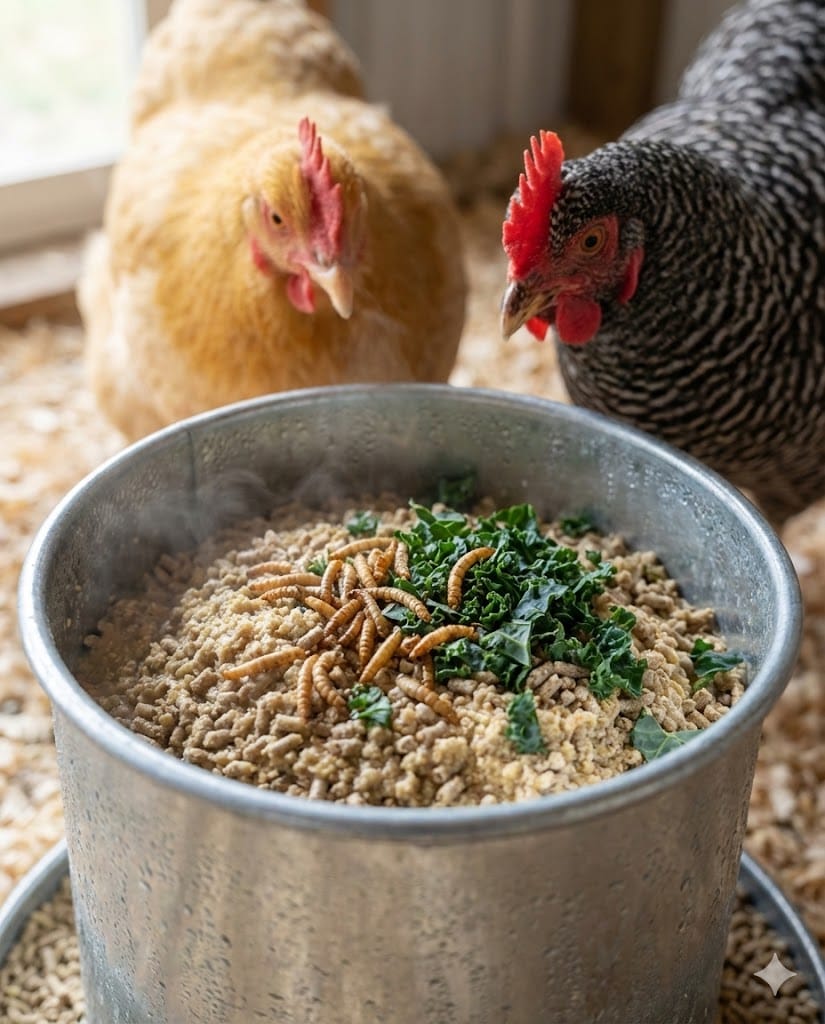
For chickens’ health and safety, consider this alternative that provides warmth without nutritional dilution or digestive risks:
- Ingredients:
- 2 cups regular layer pellets or crumbles
- Warm water (not hot)
- Optional safe additions: chopped dark leafy greens, mealworms, scratch grains (maximum 10% of total)
- Preparation: Place feed in a container and add warm water until it reaches soup-like consistency. The pellets will soften and create a warm, nutritious mash that chickens find appealing. This provides the psychological comfort of warm food while maintaining complete nutrition.
✓ Safest Option: Warm layer mash provides the psychological comfort of a warm winter treat without the nutritional dilution or digestive risks associated with oatmeal.
5 Modified Recipes for Harm Reduction
If you choose to feed oats despite the risks, use these “Harm Reduction” recipes. They are designed to mitigate (but not eliminate) the nutritional imbalances by adding missing nutrients like protein and calcium.
Frequency Recommendation: 1-2 times per week maximum, observing carefully for any digestive changes.
Temperature Safety: Food should be lukewarm (approx. 100-110°F), never exceeding 115°F.
Recipe 1: The Protein-Balancer Bowl
Addressing the protein deficit in oats and winter energy needs.
- The Logic: Since oats lower the overall protein intake, this recipe adds high-quality protein back into the diet. Research from the Poultry Science Journal suggests chickens need balanced energy in winter, not just empty carbohydrates. Beyond nutrition, winterizing your chicken coop properly ensures your flock stays warm and healthy during freezing temperatures.
- Ingredients:
- 1/2 cup Cooked Rolled Oats (Cooled to 100-110°F)
- 2 Scrambled Eggs (Shells included for calcium)
- 1 Tablespoon Dried Mealworms
- Harm Reduction Steps:
- Prevent Egg Eating: Whisk eggs thoroughly and cook completely. Crush shells into a fine powder so they are unrecognizable.
- Texture Safety: Mix with plenty of warm water to create a soup, not a paste. This helps dilute the beta-glucans.
Recipe 2: The “Calcium-Correction” Mix
Addressing the calcium deficit that harms laying hens.
- The Logic: Feeding plain oats dilutes calcium intake, which is dangerous for active layers. Oatmeal’s calcium deficit is particularly concerning for active layers. Learn more about calcium requirements for laying hens to ensure your flock gets adequate nutrition.
- Ingredients:
- 1/2 cup Cooked Steel Cut Oats (Cooked thoroughly)
- 1 Tablespoon Crushed Oyster Shell
- 1 Tablespoon Plain Yogurt
- Dairy Caution: Chickens cannot digest lactose well. The small amount of yogurt here provides probiotics, but monitor for loose droppings. If digestive upset occurs, substitute the yogurt with additional crushed oyster shell instead.
- Keeper’s Note: Steel cut oats are denser than rolled oats. While less processed, they still contain beta-glucans. Cook them until they are extremely soft to minimize digestive strain. During chicken molting season, hens have dramatically increased protein needs as they grow new feathers, so ensure this treat is paired with high-protein feed.
Recipe 3: The Green Vitamin Boost
Addressing the Vitamin A & E deficit.
- The Logic: Reintroduces the essential vitamins found in layer feed that are missing from oats, guided by nutritional principles from the University of California Cooperative Extension. When adding ingredients to recipes, always verify they’re among the safe kitchen scraps chickens can consume.
- Ingredients:
- 1/2 cup Soaked Quick Oats
- 1/2 cup Chopped Spinach or Kale (Vitamin A)
- 1 Teaspoon Wheat Germ Oil (Vitamin E – measure carefully)
- Preparation: Soak the oats in warm water rather than cooking them into a sticky mush.
Recipe 4: The Berry Antioxidant Treat
A high-energy boost for freezing days.
- The Logic: Provides antioxidants during extreme cold stress. Wondering what other fruits or vegetables you can safely add to chicken treats? Learn about feeding pumpkins to chickens for another nutritious option.
- Ingredients:
- 1/2 cup Cooked Whole Oats
- 1/4 cup Blueberries (smashed)
- 1 Tablespoon Sunflower Seeds
- Warning: Blueberries contain sugar. Excess sugar combined with beta-glucans increases the risk of digestive upset. Feed very sparingly.
Recipe 5: The “Diluted” Warm Mash (Safest Option)
Using oats only as a garnish.
- The Logic: This relies on the scientifically formulated feed as the base, using oats only for texture. This is the safest way to provide a “warm treat” experience.
- Ingredients:
- 2 Tablespoons Cooked Oats
- 1 Cup Regular Layer Pellets
- Warm Water
- Why it’s safest: The volume of beta-glucans is minimal, and the bird receives 90% balanced nutrition. This represents approximately 5-7% of daily intake—well under the 10% treat threshold.
What NOT to Add (Toxic Ingredients)
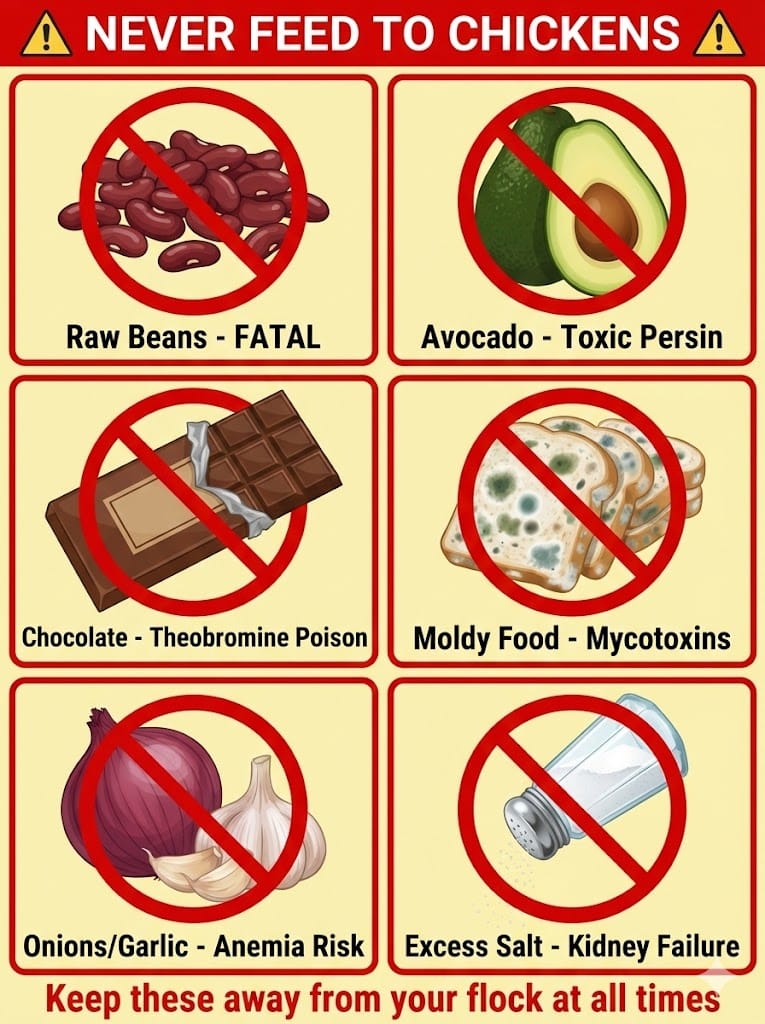
Before exploring specific recipes, review our comprehensive guide to chicken feeding to understand baseline nutritional requirements. Regardless of the oatmeal debate, the following ingredients are universally toxic to chickens:
- Raw/Dry Beans: Fatal toxin (hemagglutinin).
- Avocado Skins/Pits: Toxic (persin).
- Onions and Garlic: In large quantities, these contain thiosulphate which destroys red blood cells, leading to hemolytic anemia.
- Salt: Chickens have a very low tolerance for salt. Excessive sodium can cause kidney failure.
- Moldy Food: Respiratory failure risk (mycotoxicosis).
FAQ: Managing the Risk
How often can I give chickens oats?
The 10% treat rule should be part of a proper feeding schedule for backyard chickens that ensures your chickens receive balanced nutrition throughout the day.
Expert Recommendation: Never. Harm Reduction Recommendation: If you must, no more than once a week during extreme cold. Warning: Daily feeding is strongly linked to malnutrition and necrotic enteritis risk due to the cumulative effect of beta-glucans.
Is it better to feed chickens rolled oats or whole oats?
Rolled Oats: Digest faster but can turn into a “paste” in the crop.
Whole Oats: Contain the hull (fiber). They must be soaked for 24 hours to be safe. Some research suggests the hull helps “scrub” the intestine, but blockage risk is higher if not soaked properly.
Can chickens eat Quaker oats?
Pesticide Concerns in Conventional Oats: Conventional oats (including standard Quaker oats) are commonly treated with glyphosate (Roundup) as a desiccant before harvest. While specific residue levels vary by brand and batch, organic certification prohibits glyphosate use.
Recommendation: Use Certified Organic oats to minimize pesticide exposure to your flock.
Avoid: Instant packets with maple, brown sugar, or cinnamon. The added sugar is harmful to chicken metabolism.
Should I add cinnamon or cayenne pepper?
Not recommended. While some blogs claim these spices help with circulation or respiratory health, poultry nutritionist Dr. Patrick Biggs explains that commercial poultry operations use concentrated essential oils from these herbs in precisely controlled applications—vastly different from the ground spices used in cooking. There is insufficient evidence that sprinkling ground cinnamon or cayenne provides health benefits to backyard chickens. Focus on complete nutrition from formulated feed rather than unproven folk remedies.
Final Verdict
Can you feed oatmeal? Yes, physically they can eat it. Should you feed oatmeal? Science says no.
If you choose to follow tradition over science, use the recipes above to minimize harm. Monitor your flock for “wet litter” (sticky droppings) and stop immediately if observed. While warm oatmeal serves winter needs, feeding chickens in extreme heat requires completely different feeding approaches.
If you’re looking for safer treat alternatives that support egg production, consider these proven options.
Disclaimer: This article is for informational purposes only and references conflicting views within the poultry community. The potential for harm from beta-glucans is documented in veterinary literature. Always prioritize professional veterinary advice over internet recipes.

Oladepo Babatunde is the founder of ChickenStarter.com. He is a backyard chicken keeper and educator who specializes in helping beginners raise healthy flocks, particularly in warm climates. His expertise comes from years of hands-on experience building coops, treating common chicken ailments, and solving flock management issues. His own happy hens are a testament to his methods, laying 25-30 eggs weekly.