Vent gleet in chickens is a term used for a persistent problem around the vent, often involving sticky discharge, soiled feathers, irritation and an unpleasant smell. It is also called cloacitis, meaning inflammation of the cloaca. The important thing is to identify what is causing the signs rather than assume every dirty or smelly vent is the same infection.
Poultry sources do not use the term in exactly the same way. The British Hen Welfare Trust describes vent gleet as a Candida albicans fungal infection, while an Ask Extension veterinary response notes that the specific cause can be unknown and that other conditions need to be ruled out. A vent’s appearance alone cannot confirm Candida or tell you which medicine is appropriate. British Hen Welfare Trust; Ask Extension.
This article explains the signs to look for, conditions that can mimic vent gleet, safe first steps and when a poultry veterinarian should examine the bird. It is general husbandry information, not a substitute for a veterinary diagnosis.
Key Takeaways
- Vent gleet is a term used for a problem involving the cloaca and surrounding vent area; sources differ on whether they use it narrowly for Candida infection or more broadly for cloacitis.
- Persistent sticky discharge, crusting, redness and a strong unpleasant smell deserve attention, especially when accompanied by straining or changes in appetite and behaviour.
- Ordinary droppings stuck to feathers, loose cecal droppings, lice, intestinal disease, egg binding and prolapse can cause similar signs or complicate the picture.
- Gently clean external soiling, keep the bird in a clean, dry environment and arrange veterinary advice if the problem persists or the bird seems unwell.
- Do not put creams, disinfectants or other products inside the vent, or give antibiotics or antifungals, unless a veterinarian has advised the specific treatment.
What Is Vent Gleet in Chickens?
The cloaca is the chamber where a bird’s digestive, urinary and reproductive tracts meet. The vent is the external opening. In a laying hen, eggs and waste pass through this shared outlet.
Cloacitis means inflammation of the cloaca. Some poultry-care sources use “vent gleet” for a Candida-associated fungal infection, while other veterinary and extension references describe a broader condition involving inflammation, discharge and soiling without assuming one confirmed cause. Rural Veterinary Outreach lists several possible infectious and structural conditions, and the Ask Extension response says the specific cause may be unknown. That is why treatment should follow assessment, not the name alone.
Signs and Symptoms of Vent Gleet
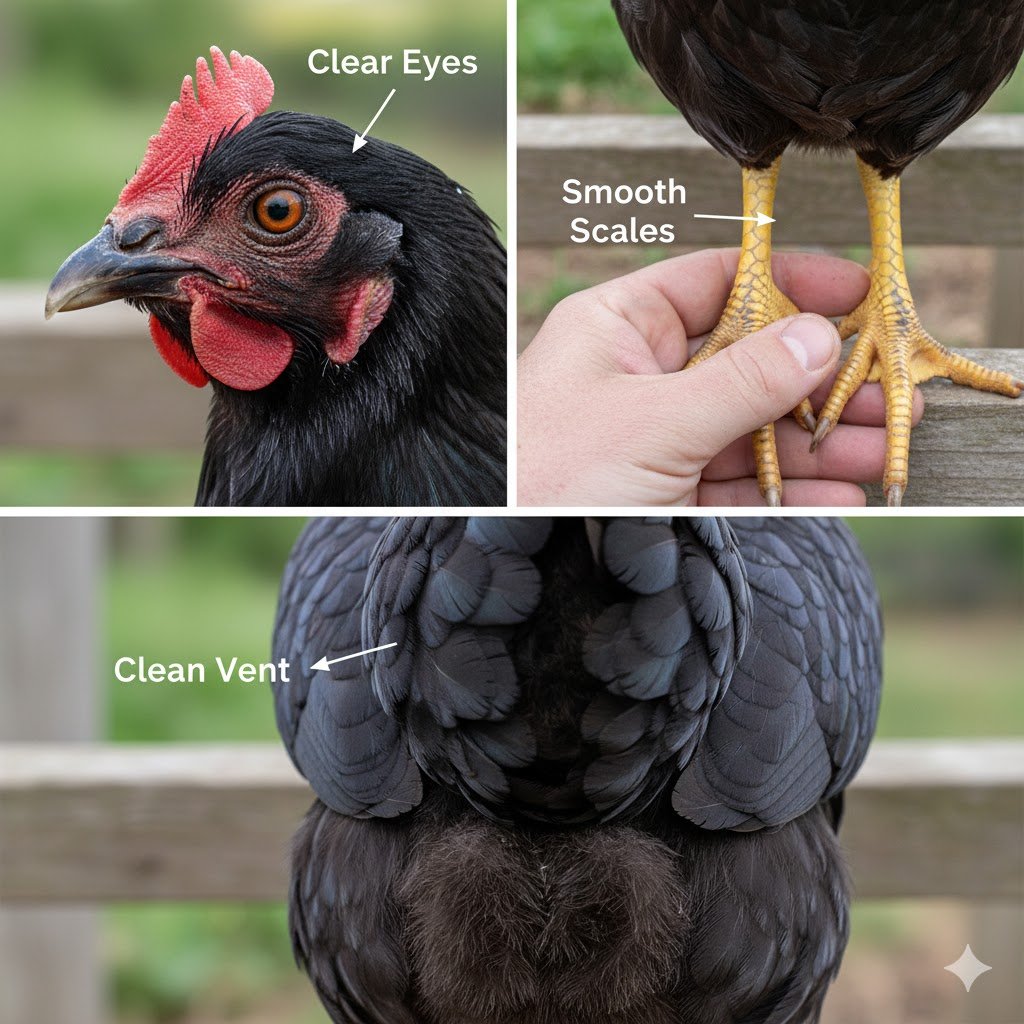
Look for a persistent pattern rather than one dirty feather. Signs commonly described by poultry-care sources include:
- Sticky yellowish, cream or whitish material around the vent.
- Hard crusting or matted feathers below the vent.
- Redness, swelling or irritation around the opening.
- A strong, unpleasant smell that remains after ordinary droppings have passed.
- Repeated pecking or grooming around the rear.
- Straining, reduced droppings or a change in the bird’s usual droppings.
- Reduced appetite, lethargy, changes in posture or reduced egg production in a bird that is becoming unwell.
A hen may still eat and drink normally in an early or mild case. Do not use normal appetite as proof that the vent is healthy. Check the area gently and watch for changes in behaviour, droppings and laying. If you are unsure whether other changes are significant, compare them with the warning signs in our article on how to tell if a chicken is sick.
What Can Cause or Resemble Vent Gleet?
The term is not a reliable diagnosis of the organism involved. The possibilities below include conditions that may contribute to cloacal inflammation as well as separate problems that can look similar. They are not all interchangeable causes of vent gleet.
1. Candida-associated infection or other cloacal inflammation
The British Hen Welfare Trust describes vent gleet as a Candida albicans infection. Other veterinary resources discuss cloacitis in broader terms and note that several infectious agents or other cloacal disorders may be involved. A foul smell or pale discharge cannot identify the organism. A veterinarian may need to examine the bird and, where appropriate, test a sample before selecting treatment.
2. Droppings stuck to the feathers
Loose droppings can dry on the feathers around the vent and make the area look infected. Heat stress, changes in feed, dehydration and intestinal illness may alter droppings. A single dirty patch with normal skin and normal behaviour is different from recurring discharge, inflamed tissue or persistent foul odour.
Chicks with droppings stuck over the vent need age-specific care. See our separate guide to how to treat pasty butt in baby chicks; do not apply chick-care instructions automatically to an adult hen.
3. Normal cecal droppings
Chickens normally pass occasional loose brown cecal droppings as part of digestion. These can be softer and smell stronger than ordinary formed droppings. The University of Guelph Animal Health Laboratory explains that normal cecal droppings need to be distinguished from diarrhoea when assessing a flock. A loose dropping by itself does not prove vent gleet.
Repeated abnormal droppings, blood, weight loss or illness in more than one bird should be investigated. See the University of Guelph’s guidance on diagnosing enteric disease in backyard chickens.
4. Lice, mites or pecking injuries
Some poultry lice prefer areas with fewer feathers, including around the vent. Parasites, scratching and pecking can irritate or damage the skin and may lead to secondary infection. Part the feathers carefully and look for moving lice, eggs attached to feather shafts, wounds or repeated pecking by flock mates.
Our guide to mites and lice on chickens explains how to inspect birds and identify common external parasites.
5. Egg binding and other reproductive problems
Egg binding and diseases of the reproductive tract can cause repeated straining, a change in posture, reduced laying or abdominal swelling. These are not simply vent-skin problems, and washing the feathers will not resolve them. A hen that strains repeatedly, appears uncomfortable or develops a swollen abdomen needs prompt veterinary assessment.
6. Cloacal or oviduct prolapse
A prolapse occurs when tissue from the cloaca or reproductive tract protrudes through the vent. It may look like pink or red moist tissue rather than dried droppings. The Merck Veterinary Manual describes oviduct prolapse in poultry and the risk of injury when exposed tissue is pecked. Treat visible protruding tissue as urgent: prevent other birds from pecking the area and contact a veterinarian immediately. Do not try to push the tissue back inside.
7. Intestinal disease or internal parasites
Intestinal disease can cause diarrhoea, blood or abnormal droppings that soil the feathers around the vent. Coccidiosis and worms are among the problems a veterinarian may consider, depending on the flock’s age, history and signs. A fecal examination may help distinguish these problems from a primary vent condition.
Vent Gleet or Something Else? What to Check
This comparison can help you decide what to observe and when to seek help. It cannot confirm a diagnosis.
| What you notice | What it may indicate | Next step |
|---|---|---|
| One small patch of droppings on feathers; skin looks normal and the bird behaves normally | Temporary soiling | Gently clean the outside and check whether it returns. |
| Persistent sticky discharge, crusting, redness and unpleasant smell | Possible vent inflammation or vent gleet | Arrange a poultry-veterinary examination if it persists. |
| Occasional loose brown dropping, with otherwise normal droppings and behaviour | Could be a normal cecal dropping | Observe the pattern; investigate persistent diarrhoea or other signs. |
| Moving lice, eggs on feathers, wounds or skin irritation | External parasites or pecking injury | Identify the problem and use a poultry-approved control plan. |
| Repeated straining, swollen abdomen or difficulty laying | Possible egg binding or reproductive disease | Seek prompt veterinary advice. |
| Pink or red tissue protruding from the vent | Possible cloacal or oviduct prolapse | Urgent veterinary care; prevent pecking. |
| Persistent diarrhoea, blood in droppings or several birds affected | Possible intestinal disease or parasites | Contact a veterinarian and ask whether fecal testing is needed. |
How to Care for a Chicken With Suspected Vent Gleet
There is no single home treatment that is suitable for every cause. The following steps are limited to basic external care and observation while you arrange veterinary advice. Do not delay veterinary attention if the bird is weak, straining, bleeding or has protruding tissue.
1. Check the bird before cleaning
Observe whether she is eating, drinking, walking and passing droppings normally. Look for swelling, wounds, blood, protruding tissue or repeated straining. If any of these are present, contact a veterinarian before attempting to clean an inflamed or injured area.
2. Clean only external soiling gently
If dried droppings are stuck to the feathers and the skin is not badly inflamed or injured, soften the material with lukewarm water and gently wipe the outside. Do not pull dried material off the skin, scrape crusts, or force water into the cloaca. Pat the feathers dry and keep the bird in a clean, dry place.
Do not insert a finger, syringe or applicator into the vent. Avoid strong disinfectants, essential oils and household cleaning products on the bird. If handling is painful or the area is bleeding, stop and get veterinary help.
3. Decide whether temporary separation is needed
Separate the bird in a clean, quiet enclosure if flock mates are pecking at the vent, if she needs protection, or if you need to monitor her droppings and food intake. Provide her own food and water containers. Separation is not proof that the condition is contagious; whether flock-level precautions are needed depends on the underlying cause.
Wash your hands after handling poultry and clean equipment that has been soiled. The CDC recommends handwashing after contact with backyard poultry and their environment.
4. Get the cause assessed before using medication
A veterinarian may examine the vent, skin, abdomen and general condition. Depending on the signs, they may recommend fecal testing, examination of discharge, microscopy or culture. The University of Guelph Animal Health Laboratory describes fecal testing and other sample collection as part of investigating enteric disease in backyard flocks.
Do not automatically use an antifungal because the vent smells bad, or an antibiotic because the skin looks inflamed. Do not use leftover medicines or human creams, and do not put products inside the cloaca unless a veterinarian has prescribed or specifically recommended that treatment for the bird.
If medication is prescribed for a laying hen, ask the veterinarian about egg withdrawal requirements and follow the product label and local rules. Never assume a medicine is safe for eggs simply because it is available without a prescription.
Keep useful notes for the veterinary visit
Before the appointment, write down when you first noticed the problem and whether it is getting better or worse. Note the bird’s appetite, water intake, droppings, egg production, any straining, and whether other chickens are affected. A clear photo of the external area and a fresh droppings sample may help the veterinarian decide what to examine; ask the clinic how it wants samples collected and stored.
5. Correct any husbandry problem identified
Keep litter dry, clean drinkers regularly, provide fresh water and feed a complete ration appropriate for the bird’s age and purpose. If the examination identifies parasites, injury, pecking or an intestinal problem, address that specific issue rather than repeatedly cleaning the vent without treating the cause.
When Does a Chicken Need Urgent Veterinary Care?
Contact a poultry veterinarian or an experienced general veterinarian promptly if you notice:
- Pink or red tissue protruding from the vent.
- Repeated straining or inability to pass droppings or an egg.
- Blood, open wounds, marked swelling or rapidly worsening discharge.
- A swollen or painful abdomen, unusual posture or difficulty walking.
- Weakness, marked lethargy, refusal to eat or drink, or rapid deterioration.
- Persistent abnormal droppings, especially with blood, or several birds becoming ill.
AkoVet’s backyard poultry guidance recommends veterinary assessment when abnormal droppings persist, multiple birds are affected, or a hen also shows signs such as weakness or loss of appetite. Do not wait several days to see whether a home remedy works when these warning signs are present.
Reducing Common Vent-Health Risks
There is no guaranteed way to prevent every condition described as vent gleet. Good husbandry can, however, reduce avoidable irritation and help you notice a problem early.
- Keep the coop and litter dry. Remove wet bedding and clean areas around drinkers and roosts where droppings accumulate.
- Provide clean drinking water. Wash drinkers and prevent fecal contamination.
- Feed a balanced ration. Use a complete feed suited to the bird’s age and production stage rather than allowing treats to displace most of the diet.
- Inspect the vent during routine health checks. Look for persistent soiling, skin irritation, parasites, wounds or changes in droppings.
- Monitor flock behaviour. Provide enough space and more than one feeding and drinking point where needed, and address pecking injuries quickly.
- Investigate recurring diarrhoea. Do not assume persistent abnormal droppings are caused only by feed or weather.
- Use veterinary guidance for parasite control. Identify the parasite and use products labelled for poultry according to the label and veterinary advice.
Frequently Asked Questions
Is vent gleet contagious between chickens?
It depends on the underlying problem. Some infectious causes may spread, while injury, prolapse and other non-infectious conditions do not spread in the same way. Protect a bird from pecking and ask a veterinarian whether isolation or flock-level measures are appropriate.
Is vent gleet always caused by Candida?
No single cause should be assumed from the appearance of the vent. The British Hen Welfare Trust describes vent gleet as a Candida albicans infection, while an Ask Extension veterinary response notes that the specific cause may be unknown and other conditions should be considered. Diagnosis should guide treatment.
Can apple cider vinegar cure vent gleet?
There is no good basis for relying on apple cider vinegar to treat vent inflammation. It cannot diagnose or resolve problems such as prolapse, parasites, reproductive disease or a specific infection. Provide clean water and seek veterinary advice if signs persist.
Can I use an antifungal cream on my chicken?
Do not apply a human antifungal cream or put medication inside the vent unless a veterinarian has recommended that exact product and method for your bird. The problem may not be fungal, and treatment may need to account for whether the hen is laying eggs.
Why does my chicken have white material around her vent?
White material may be urates, dried droppings, discharge or crusting. Check whether it returns after gentle external cleaning and whether there is redness, swelling, odour, straining or a change in behaviour. Persistent material or other symptoms warrant veterinary assessment.
Can vent gleet make a hen stop laying eggs?
A hen that is unwell or uncomfortable may lay less, but reduced egg production can also point to a reproductive problem that is causing or accompanying the vent signs. A hen that stops laying and also strains, develops a swollen abdomen or becomes lethargic should be examined promptly.
Final Thoughts
Vent gleet is a useful term for recognising a persistent problem around a chicken’s vent, but it does not tell you the exact cause. Some poultry sources use the term for Candida infection, while veterinary and extension references also discuss cloacitis and other conditions that can produce similar signs.
Clean external soiling gently, protect the bird from pecking and get veterinary advice when the problem persists or the chicken seems unwell. Identifying the cause is more useful than repeatedly trying home remedies that may not match the condition.
Sources and Further Reading
- British Hen Welfare Trust: Vent Gleet
- Ask Extension: Treatment for Vent Gleet
- Rural Veterinary Outreach: Vent Gleet (Cloacitis)
- University of Guelph Animal Health Laboratory: Diagnosing Enteric Disease in Backyard Chickens
- Merck Veterinary Manual: Prolapse of the Oviduct in Poultry
- AkoVet: Abnormal Droppings and/or Diarrhoea
- CDC: Backyard Poultry Health and Hygiene

Oladepo Babatunde is the founder of ChickenStarter.com. He is a backyard chicken keeper and educator who specializes in helping beginners raise healthy flocks, particularly in warm climates. His expertise comes from years of hands-on experience building coops, treating common chicken ailments, and solving flock management issues. His own happy hens are a testament to his methods, laying 25-30 eggs weekly.