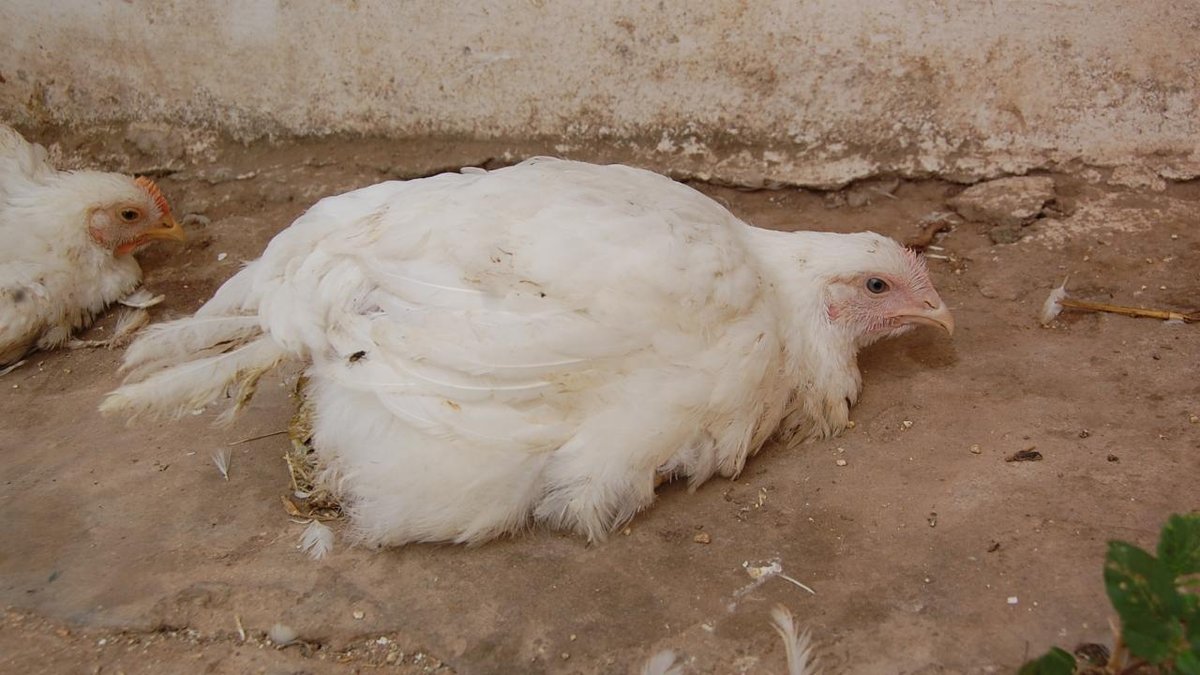
Chicken diarrhea is a symptom with many possible causes, including heat stress, dietary changes, parasites (coccidiosis, worms), bacterial infections (E. coli, Salmonella), viral diseases, mycotoxins, and kidney damage. Treatment depends on the underlying cause but always begins with isolation, hydration with electrolytes, and a simplified diet. Seek veterinary care immediately if you see bloody stool, multiple sick birds, or symptoms lasting more than 48 hours.
I will never forget the first time I walked into my coop and saw watery, messy droppings everywhere. My heart sank. I immediately thought the worst—a plague was sweeping through my flock. After over 10 years of dealing with everything from a simple tummy ache to more serious issues, I have learned that panicking does not help. My goal here is to get you the answers I wish I had on that day, so you can help your bird and find peace of mind.
This guide shares everything I have learned firsthand about diarrhea in chickens, from the common culprits to the critical signs that mean it is time to call a vet. For a complete overview of chicken health monitoring, see our chicken health check guide.
Medical Disclaimer: I am an experienced chicken keeper, not a veterinarian. The advice here is for informational purposes only and is not a substitute for professional diagnosis or treatment. Always consult a professional for a serious health diagnosis.
Is It Really Diarrhea? A Quick Guide to Droppings
The most important insight I have ever learned is to first confirm if you are actually dealing with diarrhea. Most of the time, what looks like a problem is just a normal variation in chicken poop.
Understanding Normal Chicken Droppings
I have learned to look for three distinct parts in a healthy chicken dropping: a firm, brownish-gray feces, a white cap of urates (a solid form of pee), and a little clear urine.
Cecal droppings are normal and should make up approximately one-third of your flock’s total droppings. They are dark brown, pasty, and often quite smelly. The first time I saw one, I was sure it was a sign of a major illness and spent hours watching the bird, only to realize later it was completely normal. If you are seeing cecal-like droppings more frequently than this ratio, it may indicate digestive distress rather than normal cecal function.
True Diarrhea vs. Polyuria
True diarrhea is completely unformed, watery feces with no solid portion. It is different from polyuria, which is an excess of urine but with normal, formed poop.
The Liquid Test: If you see a puddle of clear or slightly greenish liquid surrounding a formed, solid brown fecal portion, this is polyuria (excess urates), not diarrhea. True diarrhea has NO formed portion—it is completely liquid throughout.
According to Cackle Hatchery, stress, hot weather, and eating juicy fruits or vegetables can all cause excess urates that appear as a pool of liquid surrounding solid matter.
I have found polyuria often happens on hot days when chickens are drinking a lot of water, and providing fresh, cool water immediately is the first step I take. For more on heat management, see our guide on what to feed chickens during a heatwave.
Why This Distinction Matters
Watery feces related to kidney disturbance are typically very wet, clear, and lack the typical white urate portions. This indicates a kidney problem rather than a digestive issue, requiring different treatment approaches.
Understanding Your Chicken’s Digestive System
Before diving into causes, it helps to understand how quickly problems can develop.
Intestinal Transit Time
Intestinal transit time of feed in commercial poultry is remarkably fast—usually four to eight hours. This means situations can turn serious quickly, but it also means dietary corrections can show results within a day.
The Gut Microbiome
According to research published in the ISME Journal, the chicken gut microbiome develops dynamically during the first weeks of life. The first week post-hatching is the optimal window for microbiota intervention, as this stage is pivotal for establishing healthy gut bacteria and immune system development.
A healthy chicken gut is dominated by beneficial bacteria including Limosilactobacillus reuteri, Enterococcus faecium, and Bifidobacterium pullorum. When stress, diet changes, or antibiotics disrupt this balance, harmful bacteria can proliferate, causing diarrhea.
Common Causes of Chicken Diarrhea
When you notice a problem, your first step is to be a detective. Diarrhea is a symptom, not a disease, so you need to find the underlying cause of your flock’s tummy troubles.
Comprehensive Cause Reference Table
| Category | Common Causes | Less Common | Serious/Rare |
|---|---|---|---|
| Parasitic | Coccidiosis, Roundworms | Heavy threadworm infestation, Tapeworms | Blackhead (histomoniasis) |
| Bacterial | E. coli (colibacillosis), Salmonella | Avian intestinal spirochetosis, Clostridium | Avian tuberculosis, Fowl cholera |
| Viral | Infectious bronchitis, Newcastle disease | Rotavirus, Adenovirus, Gumboro disease | Avian influenza, Marek’s disease |
| Dietary | Sudden feed change, Moldy feed, Excess calcium powder | Excess protein, NSP-rich grains, Rancid fats | Mycotoxin poisoning |
| Environmental | Heat stress, Dirty water | Overcrowding, Poor ventilation | Toxic plant ingestion |
| Systemic | Stress-induced | Antibiotic-induced | Kidney failure, Egg yolk peritonitis |
Dietary Issues
I have learned to walk through my coop and ask myself: “Have I made a sudden feed change? Have my hens been getting too many high-moisture treats lately? Is there any sign of mold in their feed?” For guidance on safe foods, see our complete guide on what chickens can eat from your kitchen.
The NSP Factor: Why Feed Composition Matters
Certain feed ingredients high in Non-Starch Polysaccharides (NSPs) like wheat, barley, and rye can result in wet and viscous diarrhea because NSPs trap water and prevent it from being reabsorbed.
According to research published in Poultry Science, when broilers were fed a wheat-based diet in pellet form, there was an increased concentration of harmful bacteria including coliforms, enterococci, and Clostridium perfringens compared to mash form feed.
My experience: When I switched to a wheat-based feed to save money, I noticed increased vent pasting within a week. Once I switched back to a corn-soy based feed, the problem resolved in 3-4 days.
For diets high in NSP grains, look into using an NSP-degrading enzyme preparation, which can significantly improve digestibility. For more on feed transitions, see our guide on when to switch from starter to grower feed.
Excess Calcium Supplements
Too much calcium powder, stone powder, or crusite shell in the feed can accelerate intestinal peristalsis, triggering diarrhea. This is a common mistake when keepers add calcium supplements without measuring properly. For proper supplementation, see our calcium for chickens guide.
Fiber Imbalances
Managing fiber content is important for digestive health. Some poultry nutritionists recommend keeping bran content within 10% and ensuring crude fiber is balanced—too much can cause loose droppings, while too little can affect gut motility.
Excess Protein and Salt
Excess protein in feed increases water intake and causes the kidneys to produce more uric acid, leading to watery droppings.
Too much potassium, magnesium, sodium, sulfate, or chloride can make birds drink more to maintain their electrolyte balance. Check your feed levels of salt to ensure a mixing error has not occurred, and test mineral concentrations in drinking water.
Rancid Fats and Poor-Quality Feed
Poor-quality or rancid fats can lead to diarrhea by compromising digestibility and causing gastrointestinal disturbance.
A crucial tip I have learned is to ensure your flock always has access to a dedicated dish of fresh grit, which acts like a chicken’s teeth to help them grind down their food for proper digestion. Learn more in our guide on whether chickens need grit or oyster shells.
Mycotoxins: The Hidden Feed Danger
Moldy feed or feed ingredients can be a source of mycotoxins—toxic fungal metabolites that directly reduce gut integrity.
According to PlusVet Animal Health, specific mycotoxins like ochratoxin A, citrinin, and aflatoxins cause kidney damage leading to increased urine production.
Signs your feed may contain mycotoxins:
- Visible mold growth or musty smell
- Feed stored in humid conditions
- Feed older than 4-6 weeks
- Multiple birds affected with no other obvious cause
My hard lesson: I once stored feed in a damp corner of my shed during a rainy season. Within two weeks, several hens developed persistent loose droppings. When I examined the feed closely, I found small patches of mold I had missed. After discarding all the feed and switching to fresh, properly stored feed, the problem resolved.
Environmental Stress
Stress in poultry refers to any non-infectious condition that disturbs the normal physiological state of birds, negatively impacting their health.
Common stress triggers causing diarrhea:
- Temperature stress (extreme heat or cold, temperature fluctuations)
- Diet or feed changes
- Placement of day-old chicks in new environments
- Overcrowding
- Poor ventilation
- Loud noises or predator presence
I have found the most common cause of watery droppings is heat stress. Chickens will drink more water to stay cool, which leads to polyuria. I now check my coop’s temperature on hot days. For cooling strategies, see our guide on keeping chickens cool in summer.
The Dirty Water Problem
According to Poultry Keeper, dirty water caused by dirty drinkers or birds drinking from muddy puddles literally means they are drinking lots of harmful bacteria. Unfortunately, birds love to drink from puddles, but this significantly increases disease risk.
I learned the hard way about dirty water. A few years ago, I got a little lax with cleaning the waterer, and several hens started having runny poops.
Parasites and Infections
Coccidiosis
Parasites like coccidiosis and worms can irritate the intestines. The first time I saw bloody stool in a chick, my heart dropped.
According to Dine-A-Chook, “In young chicks, coccidiosis is by far the most likely cause of diarrhea. In chicks, immediate treatment for coccidiosis is recommended, even if you are not sure of the diagnosis, as they can quickly succumb to the disease.”
Factors that promote coccidiosis development:
- Poor hygiene
- Wet or high-moisture litter not changed regularly
- Dirty feeding and drinking systems
- High stocking density
- Poor ventilation and warm temperatures
For more on parasites, see our guide on treating internal parasites and worms in chickens.
Worms
Signs of worm infestation include:
- Watery mucoid diarrhea with worms visible in some cases
- Weight loss
- Reduced egg production
- Pale comb and wattles due to anemia
- Lethargy
With worms, I have sometimes seen them in the droppings, but often the only sign is diarrhea and weight loss despite eating.
Bacterial Dysbacteriosis
Bacterial diarrhea or dysbacteriosis is an imbalance of the gut microbiome that can be caused by either infection or non-infectious factors, including NSPs in the diet, coccidia, and Clostridium perfringens.
Once Clostridium takes hold, it can damage the gut wall further, leading to worsening diarrhea. In severe cases, the bacteria can cross from the gut to the blood, causing septicemia, which is usually fatal.
Viral Infections
Several viral diseases cause diarrhea:
Newcastle Disease: Respiratory stress, lack of appetite, green diarrhea, nervous symptoms, and high mortality.
Gumboro Disease (Infectious Bursal Disease): Common in hatcheries, affects young chickens 2-6 weeks old. Symptoms include diarrhea, sleepiness, depression, ruffled feathers, and trembling. This disease weakens the immune system.
Fowl Cholera: Severe diarrhea, breathing problems, loss of appetite, blue combs and wattles. There is no treatment—prevention through strict hygiene and vaccination is essential.
Kidney Damage
If chickens have suffered from Infectious Bronchitis Virus, this can result in kidney damage. Birds suffering from this damage produce excessive quantities of urine that mixes with droppings, causing them to be more watery than normal.
Kidney damage can be caused by:
- Marek’s disease
- Newcastle disease
- Infectious bronchitis
- Mycotoxins (ochratoxin A, citrinin, aflatoxins)
- Overdose of salts or minerals
- Diet too high in calcium (in young birds)
Wet Litter Syndrome: Why It Matters
Wet litter is associated with:
- Contact footpad dermatitis (painful foot lesions)
- Reduced air quality due to increased ammonia concentrations
- Food safety concerns because it provides an ideal environment for bacterial growth including Salmonella
This is why addressing diarrhea quickly is important not just for the affected bird, but for overall flock health. For bedding options, see our comparison of hemp vs straw vs sand chicken bedding.
Prevention is Your Best Defense
An ounce of prevention is worth a pound of cure, especially with a flock.
Daily Prevention Checklist
- Check and replenish waterers with fresh, clean water
- Quick visual check of the coop and hens’ activity levels
- Look for any abnormal droppings
- Ensure adequate ventilation, especially in hot weather
Weekly Prevention Tasks
- Give feeders and waterers a thorough scrub with brush and vinegar-water solution
- Check litter moisture levels—replace wet litter immediately
- Inspect feed for any signs of mold or unusual odor
- Ensure wild birds cannot access feeders or waterers
Monthly Prevention Tasks
- Check hens for signs of parasites (mites, lice, worms)
- Refresh grit supply
- Deep clean coop with disinfectant
- Inspect feed storage for moisture or pest intrusion
For more on coop maintenance, see our guide on how to keep a chicken coop from smelling.
Biosecurity Protocols
If you bring in new chickens to your flock, they need quarantining first. According to USDA APHIS, the recommended period of isolation is 30 days. See our complete poultry farm biosecurity plan for detailed protocols.
Additional biosecurity rules:
- Avoid keeping different age groups of birds in the same house
- Designate coop-only shoes and clothing
- Wash hands before and after handling birds
- Limit visitors to your coop area
Feed Management Best Practices
Different foods encourage different bacterial species to grow in the gut, so a sudden change in feed can cause an overwhelming change in gut bacteria.
My feeding rules:
- Introduce any new feed slowly over 7-10 days (some sources recommend 3 days, but I have found the longer transition prevents problems)
- Store feed in sealed, rodent-proof metal containers
- Use feed within 4-6 weeks of purchase
- Limit high-moisture foods to small, occasional treats
- Never feed moldy or stale feed
- Keep calcium supplements measured—do not over-supplement
For comprehensive feeding guidance, see our complete guide to feeding your chickens.
Gut Health Supplements for Prevention
Probiotics
According to Penn State Extension, using probiotics in drinking water has been linked to improved immune response to common diarrhea-causing parasites and diseases. I add a tablespoon of plain yogurt to feed weekly as a preventative.
Prebiotics: Feeding the Good Bacteria
While probiotics add beneficial bacteria, prebiotics act as food for the good bacteria already in your chicken’s gut.
Commonly used poultry prebiotics include:
- Mannan-oligosaccharides (MOS): Derived from yeast cell walls, MOS binds to harmful bacteria like Salmonella and E. coli, preventing them from attaching to the gut wall
- Beta-glucans: Also from yeast, these stimulate immune function and enhance resistance to pathogens
- Fructo-oligosaccharides (FOS): Promote growth of beneficial Lactobacillus and Bifidobacterium species
Research has shown that prebiotics can increase feed intake in broilers by 5-10% and reduce disease incidence by 20-25%.
My approach: I use a commercial poultry prebiotic supplement during stressful periods (extreme weather, after adding new birds, during molt) or add a small amount of brewers yeast to feed, which contains natural beta-glucans.
Organic Acids for Gut Health
Organic acids (such as citric acid, lactic acid, butyric acid, and formic acid) have emerged as effective natural alternatives for maintaining gut health. They work by:
- Lowering gut pH, creating an unfavorable environment for pathogenic bacteria like E. coli, Salmonella, and Campylobacter
- Promoting growth of beneficial bacteria like Lactobacillus and Bifidobacterium
- Improving intestinal structure by increasing villus height
- Stimulating digestive enzymes like pepsin and protease
- Enhancing protein digestion and mineral absorption
Practical application: Apple cider vinegar provides some organic acid benefits. For proper usage, see our guide on how to use apple cider vinegar for chickens.
Phytogenic Feed Additives
Phytogenic feed additives (PFAs) are plant-derived compounds that have gained significant attention as natural alternatives to antibiotics. According to research published in Frontiers in Microbiology, these include essential oils, herbs, spices, and plant extracts with antimicrobial, anti-inflammatory, antioxidant, and digestive properties.
How phytogenics support gut health:
- Antimicrobial action: Essential oils like thymol (from thyme), carvacrol (from oregano), and cinnamaldehyde (from cinnamon) inhibit pathogenic bacteria while promoting beneficial species
- Gut barrier support: They strengthen tight junction proteins and promote mucin production, preventing “leaky gut syndrome”
- Digestive stimulation: They enhance secretion of digestive enzymes like amylase, protease, and lipase
- Immune modulation: Many phytogenics boost immune responses while reducing inflammation
My experience with phytogenics: After learning about these natural additives, I started adding a small amount of dried oregano to my flock’s feed during times of stress. While I cannot claim it prevents all problems, I have noticed fewer digestive issues during challenging periods.
Practical options:
- Fresh or dried oregano, thyme, or rosemary added to feed
- Garlic (minced or powdered) as a prebiotic and mild antimicrobial
- Commercial phytogenic poultry supplements containing standardized essential oil blends
Important note: Phytogenics support gut health but cannot replace veterinary treatment for active infections.
Immediate First-Aid: Your 24-Hour Checklist
The moment you spot a problem, these are the immediate, actionable steps I have learned to take.
Step 1: Isolate the Sick Bird
This is a non-negotiable first step. I immediately separate the chicken into a small, clean space. This prevents the potential spread of disease and has saved my flock from potential widespread illness on more than one occasion.
Isolating the bird also allows me to:
- Watch its eating, drinking, and droppings without interference
- Get a much clearer picture of what is going on
- Prevent other chickens from pecking at a potentially irritated vent
Step 2: Provide Cleanliness and Comfort
I make sure the isolation area is clean, dry, and has fresh bedding. A dirty environment can worsen the problem.
Isolation area requirements:
- Clean cage or small coop area
- Fresh bedding (changed daily)
- Separate food and water containers
- Located where the hen can still see and hear the flock (reduces stress)
Step 3: Focus on Hydration
Diarrhea causes dehydration, so this is my number one priority. I offer fresh, cool water with added electrolytes.
DIY Electrolyte Recipe:
- 1 tablespoon sugar
- 1/2 teaspoon salt
- 1 quart (1 liter) water
I used this for a hen on a particularly hot day who was panting and had loose droppings. Before the electrolytes, she was lethargic. After a day of electrolyte water, she was more alert and her droppings began to firm up.
Important: Do not give electrolytes continuously for more than 2-3 days, as prolonged use can actually contribute to diarrhea.
Step 4: Simplify the Diet
For the first 24 hours, I remove all treats and only offer a simple, bland diet.
Acceptable foods during recovery:
- Plain, high-quality chicken feed
- Small amount of cooked rice (helps absorb excess moisture)
- Scrambled eggs (easy protein source)
The goal is to give the digestive system a break and allow it to reset.
What to Expect: Recovery Timeline
| Timeframe | Expected Progress |
|---|---|
| Hours 0-6 | Bird may be lethargic, droppings still loose |
| Hours 6-24 | Should be drinking regularly; slight improvement possible |
| Days 1-3 | Droppings should be firming up noticeably |
| Days 4-7 | Full recovery in mild cases |
If no improvement by day 3-4, seek veterinary care immediately.
How to Stop Chicken Diarrhea Naturally (For Mild Cases)
Important Caveat: These home remedies are for mild, non-critical cases and are meant to support gut health, not cure a serious illness.
Support Gut Health with Probiotics and Prebiotics
The best way to help a struggling gut is to restore its good bacteria. According to the ISME Journal research, beneficial bacteria like Lactobacillus facilitate the development and maturation of intestinal microbiota in chickens.
Probiotic options:
- 1 tablespoon plain, unsweetened yogurt mixed with feed
- Small amount of fermented feed
- Commercial poultry probiotic supplements
- Minced garlic (a prebiotic that feeds good bacteria)
Prebiotic support:
- Brewers yeast (contains beta-glucans)
- Commercial MOS supplements
- Fermented feed (provides both probiotics and prebiotics)
For more on fermentation benefits, see our guide on fermenting chicken feed for better health.
My experience: I once had a hen with mild, recurring loose droppings after a course of antibiotics. I started giving her a spoonful of plain yogurt mixed with her feed daily. After about three days of the yogurt, her droppings were back to normal.
Post-Antibiotic Recovery Protocol
Critical insight: If your chicken has been on antibiotics, probiotic supplementation is essential afterward.
Antibiotics kill off good bacteria as well as bad. Vets normally advise feeding a probiotic following antibiotic treatment to restore healthy gut flora.
My post-antibiotic protocol:
- Complete the full antibiotic course as prescribed
- Wait 24-48 hours after the last antibiotic dose
- Begin probiotic supplementation (yogurt or commercial product)
- Continue probiotics daily for 7-10 days
- Monitor droppings for improvement
Use Apple Cider Vinegar (ACV)
ACV provides organic acid benefits and helps balance gut pH.
Recommended dosage: 1-2 tablespoons of ACV per gallon of water
I use it as a regular preventative measure. Any vinegar works—you do not need expensive raw, unfiltered ACV for basic gut health support.
Important: Never use ACV in metal waterers, as the acid can cause corrosion.
Tannin-Rich Herbs for Diarrhea
Tannins are plant compounds known for their antioxidant and anti-inflammatory properties. They have an astringent effect that can help firm up loose droppings.
Tannin-rich options for chickens:
- Blackberry or raspberry leaves: Can be offered fresh or dried
- Oak bark: Small amounts steeped in water
- Green tea: Cooled and added to drinking water
These herbs also stimulate the production of digestive enzymes, supporting overall gut function.
My approach: During mild digestive upsets, I steep a handful of blackberry leaves in hot water, let it cool completely, and offer it as their drinking water for a day or two.
Organic Acids for Treatment
For mild diarrhea, organic acids can help restore gut balance:
Apple cider vinegar: 1-2 tablespoons per gallon of water provides citric and acetic acids
Commercial organic acid products: Available from poultry supply stores, these contain blends of citric acid, lactic acid, and other organic acids specifically formulated for poultry gut health
Organic acids lower gut pH, which inhibits pathogenic bacteria while promoting beneficial species. They also improve protein digestion and mineral absorption.
Try Absorbent Foods
For a chicken with very watery droppings, a small amount of cooked rice or oatmeal can help absorb excess moisture in the digestive tract. I have found that offering a small amount mixed with their feed helps firm things up quickly. See our guide on is oatmeal for chickens safe for more details.
Post-Recovery: Reintroducing Your Chicken to the Flock
The first two days after your chicken seems to be back to normal are crucial.
Observe for 48 Hours Minimum
Even if the droppings have firmed up, I keep the chicken isolated for an additional 48 hours to ensure there are no relapses and that it is eating and drinking normally.
Gradual Reintroduction Protocol
Days 1-2: Place the isolated chicken’s cage inside the main coop so birds can see and smell each other through wire
Days 3-4: Allow supervised contact in the run for 30-60 minutes while you watch
Day 5: Full integration with supervision for the first 2-3 hours
Watch for:
- Excessive pecking at the returning bird
- Pecking specifically at the vent area
- The hen being chased or cornered
If severe pecking occurs, remove the hen immediately and extend isolation by another 3-4 days before trying again. For more on flock dynamics, see our guide on pecking order problems and how to stop bully hens.
When to Call a Vet: Critical Red Flags
I have learned to stop second-guessing myself when I see these signs. For detailed guidance, see our article on when to call the vet for a backyard chicken.
Immediate Veterinary Care Required
Bloody stool: An immediate red flag. It can be a sign of coccidiosis or other severe intestinal damage.
Lethargy, hunched posture, or ruffled feathers: A chicken showing these signs is seriously ill. See our guide on why is my chicken lethargic: 17 causes and how to help.
Bird stops eating or drinking completely: A life-threatening situation.
Multiple birds in the flock are sick: Indicates a contagious disease.
Diarrhea lasts more than 48 hours with no improvement: The underlying cause requires professional intervention.
Bright emerald green liquid diarrhea: This specific color can indicate Marek’s disease, avian influenza, or Newcastle disease—all require immediate professional attention.
Antibiotic Use: What You Need to Know
Tetracycline is an antibiotic and should only be used after a proper diagnosis from a vet. In the United States, you need a prescription for antibiotics under the Veterinary Feed Directive (VFD).
According to the Merck Veterinary Manual, tetracycline antibiotics frequently FAIL to cure bacterial diarrhea because many bacteria have developed resistance from decades of overuse.
Critical understanding:
- Improper use of antibiotics can be more harmful than helpful
- Antibiotics kill beneficial gut bacteria along with harmful bacteria
- Antibiotic resistance is a serious public health threat
- You cannot consume eggs or meat from treated chickens for a set withdrawal period
- Always follow antibiotic treatment with probiotics to restore gut health
Frequently Asked Questions
What to do if my bird’s poop is watery?
First, check for other symptoms like lethargy or lack of appetite. If the bird seems fine otherwise, it is likely polyuria caused by heat stress or recent high-moisture treats. Provide fresh water with electrolytes and see if the situation improves within 24 hours.
What does coccidiosis poop look like?
Coccidiosis causes watery diarrhea with red streaks, though it may sometimes appear without visible blood. Affected birds also show reduced feed consumption, reduced growth rates, and high mortality in severe cases.
Can feed changes cause diarrhea?
Yes. Different foods encourage different bacterial species to grow in the gut, and a sudden change in feed can cause a sudden and overwhelming change in gut bacteria. Always transition feeds gradually over 7-10 days.
How long does chicken diarrhea last?
Mild cases caused by diet or stress typically resolve in 24-48 hours with supportive care. Parasitic infections may take 5-7 days to resolve with treatment. If diarrhea persists beyond 48 hours without improvement, veterinary intervention is required.
Can probiotics prevent diarrhea?
Yes. Research shows that probiotics and prebiotics support immune function and create an environment less favorable to pathogens. I use them preventatively during stressful periods and always after antibiotic treatment.
What are phytogenic feed additives?
Phytogenic feed additives are plant-derived compounds (essential oils, herbs, spices) that support gut health through antimicrobial, anti-inflammatory, and digestive-stimulating properties. Common examples include oregano, thyme, cinnamon, and garlic.
What is a stool softener for birds?
A stool softener is for constipation, which is the opposite of diarrhea. If your bird is struggling to poop, offering foods with high moisture content like watermelon, cucumbers, or fresh greens can help.
Summary: Quick Action Guide
| Situation | Immediate Action |
|---|---|
| Watery droppings, bird acting normal | Likely polyuria; provide electrolyte water, monitor 24 hours |
| Loose droppings after feed change | Return to old feed gradually over 7-10 days; add probiotics |
| Single bird with diarrhea | Isolate, hydrate, bland diet; monitor 48 hours |
| Multiple birds with diarrhea | Suspect contagious disease; call vet immediately |
| Bloody droppings | Suspect coccidiosis; seek veterinary care immediately |
| Diarrhea after antibiotics | Normal side effect; give probiotics after treatment ends |
| Diarrhea lasting 48+ hours | Underlying cause requires professional diagnosis |
At the end of the day, observation is your best tool as a chicken keeper. By paying close attention to your flock, you will be able to spot problems early and decide whether it is a simple dietary fix or a more serious case requiring veterinary attention. Do not be afraid to trust your gut—if something feels wrong, it is always best to call a vet.
Keeping a healthy flock is a rewarding journey, and you are well-equipped to handle the bumps along the road.

Oladepo Babatunde is the founder of ChickenStarter.com. He is a backyard chicken keeper and educator who specializes in helping beginners raise healthy flocks, particularly in warm climates. His expertise comes from years of hands-on experience building coops, treating common chicken ailments, and solving flock management issues. His own happy hens are a testament to his methods, laying 25-30 eggs weekly.