Medical Disclaimer: This article provides educational information only and should not be considered professional veterinary advice. Diagnosis and treatment of egg yolk peritonitis should only be performed by licensed veterinarians. The author and publisher disclaim any liability for actions taken based on this information without veterinary consultation.
Sensitivity Note: This guide contains detailed descriptions of poultry illness symptoms and internal anatomy which may be disturbing to some readers.
When your favourite hen starts walking like a penguin with a swollen belly and stops laying eggs, you might be witnessing egg yolk peritonitis, one of the most common reproductive disorders in backyard chickens. That moment hits hard. Fear for your hen, worry about the rest of the flock, and uncertainty about what comes next.
I remember the first time I encountered this condition in my own flock. My ISA Brown named Ginger had been laying beautifully for two years when she suddenly stopped. At first, I thought she was going broody. But when I noticed her standing with that distinctive upright posture and her belly felt like a water balloon, I knew something was seriously wrong. That experience taught me more about chicken reproductive health than any book ever could.
According to veterinary research from the Merck Veterinary Manual, this condition occurs when egg yolk enters the abdominal cavity instead of travelling through the oviduct as it should. While egg yolk peritonitis treatment can be challenging, understanding the symptoms early and knowing your options can make the difference between life and death for your hen.
You’ll find clear answers here, from spotting that first warning sign through managing recovery, so you can make the best decisions for your flock.
What Is Egg Yolk Peritonitis?
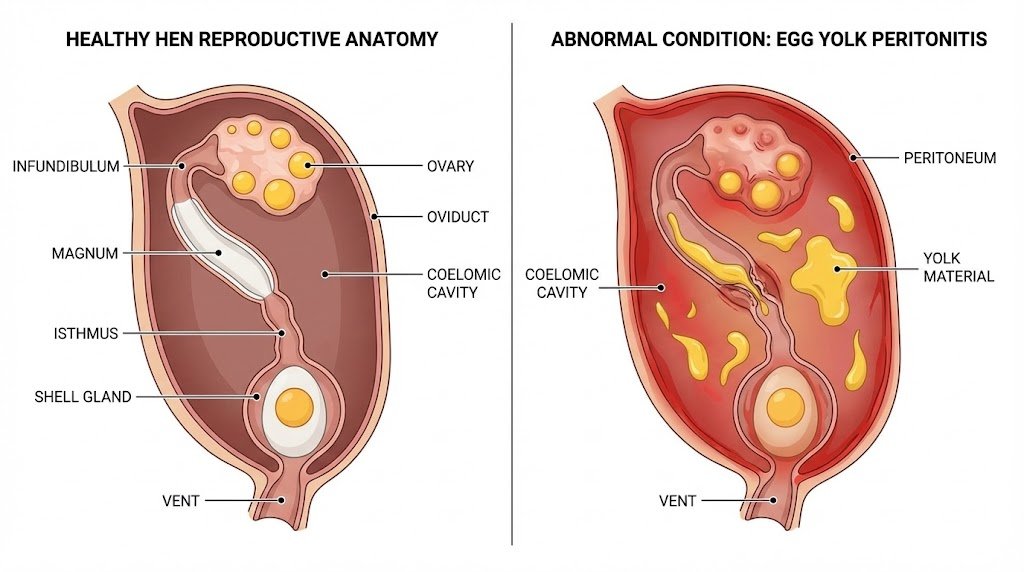
To understand peritonitis, we first need to look at how a healthy hen lays an egg. Think of the hen’s reproductive system as a factory line. The ovary releases a yolk (the yellow part), which is supposed to catch a ride into the oviduct (also called the salpinx). The oviduct is like a tunnel that guides the egg safely out of the body, adding the white and the shell along the way.
However, things can go wrong. Egg yolk peritonitis happens when that yolk misses the entrance to the tunnel or is pushed back out of it. Instead of becoming an egg, the yolk falls into the hen’s coelomic cavity (the avian equivalent of the abdomen).
Because egg yolk is rich in nutrients, it is unfortunately the perfect food for bacteria. When that yolk sits in the coelomic cavity, it causes severe inflammation of the lining, known as the peritoneum. This inflammation is called coelomitis or peritonitis. Often, this condition appears alongside salpingitis (inflammation of the oviduct), creating a complex reproductive crisis.
The Difference Between Internal Laying and Egg Yolk Peritonitis
Many chicken keepers use these terms interchangeably, but they describe different parts of the same problem. Internal laying is the event where the yolk goes inside the body cavity. Egg yolk peritonitis is the result, meaning the infection and inflammation caused by that yolk. A hen can internally lay without developing peritonitis if her body absorbs the yolk before bacteria colonise it, though this is less common than infection developing.
Understanding this distinction matters because it affects prognosis. Sterile internal laying (yolk without bacteria) carries a better outlook than septic peritonitis (yolk with active bacterial infection).
Recognising the Symptoms of Egg Yolk Peritonitis
Catching this condition early is vital. Because chickens are prey animals, they are experts at hiding illness until they are very sick. If you notice your hen acting lethargic or withdrawn, this behaviour can signal various health issues including reproductive problems.
What Is One of the First Signs of Peritonitis?
Here’s what many owners miss: often the very first clue isn’t physical but behavioural. You might notice your hen acting “off.” She might isolate herself from the flock or stop running for treats. A major red flag is a change in laying habits. If a high-production breed like a Rhode Island Red or Leghorn suddenly stops laying without moulting or being broody, pay close attention.
In my experience, this behavioural change often precedes physical symptoms by three to five days. With Ginger, I noticed she stopped being first at the treat bowl about four days before I spotted the penguin stance. Looking back, that was my first warning sign.

Behavioural Changes to Watch For
Lethargy: She stands around with her eyes closed or head pulled in. According to VCA Animal Hospitals, affected hens often exhibit depression and a lack of appetite.
Nesting behaviour without laying: She might spend hours in the nesting box but never produce an egg. This is often mistaken for broodiness, but unlike a broody hen, she won’t fiercely protect the nest. She’s just there because she feels bad.
Reduced foraging: She stops scratching and pecking, showing no interest in activities that normally excite her.
Physical Signs of Egg Yolk Peritonitis
The Penguin Stance
This is the hallmark sign that brings most chicken keepers to search for answers. The hen stands with a wide-legged stance where she resembles a penguin, which explains the characteristic waddle. From the side, an affected hen looks like she is standing at attention. Her body forms an unusually vertical angle, almost 60 to 70 degrees upright instead of the normal 30 to 40 degree angle of a healthy chicken.
She does this to relieve the pressure on her lungs caused by the fluid in her abdomen. Her tail points down toward the ground, her neck is scrunched into her shoulders, and her head pulls back.
Swollen Abdomen
If you gently feel her belly (the area between the legs and the vent), it may feel tight, hot, and squishy, like a water balloon. This is fluid accumulation, also known as ascites in chickens. Looking at the hen from behind or underneath, her abdomen appears noticeably distended. In severe cases, the skin may appear thin and stretched, and you might notice missing feathers in the abdominal area due to the constant pressure.
When examining a hen for peritonitis, always palpate gently to avoid rupturing internal structures. The swollen abdomen feels firm and fluid-filled compared to the normal soft feel of a healthy hen’s belly.
Laboured Breathing
You may see her tail bobbing up and down as she breathes, or she might be open-mouth breathing. Chickens lack a diaphragm and rely on expanding their body cavity to breathe. Fluid prevents air sacs from inflating, leading to respiratory distress.
Red Comb
Surprisingly, her comb might stay vibrant red even though she is sick, which can be confusing. While most sick chickens have pale combs, the bright red comb in egg yolk peritonitis indicates the hen’s body thinks she is still in laying condition. This can mislead owners into thinking the hen is healthier than she actually is.
Identifying Egg Yolk Peritonitis Poop
One distinctive sign that brings many owners to search “egg yolk peritonitis poop” is the appearance of unusual droppings. When a hen has this condition, you may notice droppings that contain yellow or orange material that looks like cooked egg yolk or scrambled eggs. This happens because some yolk material can pass through the digestive system.
The droppings may also appear watery or contain what looks like albumen (egg white material). Normal chicken droppings have a dark portion (feces) and a white cap (urates), but with peritonitis, the distinctive yellow yolk material is the warning sign. If you’re noticing unusual droppings, our guide to chicken diarrhea and health problems can help you distinguish between different conditions.
Keel Bone Prominence
Despite the large belly, the keel bone (breastbone) juts out prominently because the hen has lost muscle mass from not eating and the chronic illness. If you gently run your hand along her chest, the bone feels sharp and pronounced. This combination of swollen abdomen with prominent keel bone is a classic indicator of chronic illness in poultry.
What Causes Egg Yolk Peritonitis in Backyard Chickens?
If you’re asking yourself “Why her? What did I do wrong?” I want you to know that egg yolk peritonitis happens even to the best chicken keepers. It is usually a combination of factors, and rarely just one mistake.
Underlying Reproductive Problems
Sometimes the oviduct itself is damaged. Conditions like salpingitis (inflammation of the oviduct) are primary triggers. Salpingitis can cause the oviduct walls to swell, blocking the egg’s path. Other issues like ovarian cysts or ovarian tumors can also block the path. If the tunnel is blocked, the yolk has nowhere else to go but inside the coelomic cavity.
Impacted oviducts or twisting of the oviduct can also be triggers. Soft-shelled or shell-less eggs often indicate reproductive system problems that can precede peritonitis. If you’ve noticed your hens laying unusual eggs, this may warrant closer monitoring.
Bacterial Involvement
The yolk causes inflammation, but bacteria cause the infection that kills. According to the Merck Veterinary Manual, the bacterial organisms most commonly involved are Escherichia coli (E. coli) and Enterococcus. These bacteria often migrate from the intestinal tract through the cloaca and up into the reproductive tract, causing ascending salpingitis and peritonitis.
This is why coop sanitation matters so much. The bacteria that cause deadly peritonitis are the same ones found in chicken droppings. A dirty environment creates the perfect conditions for these bacteria to travel where they shouldn’t.
Management-Related Causes
We as chicken keepers sometimes accidentally contribute to the risk.
Overfeeding and Obesity
General obesity is a huge risk factor. Fat hens often have trouble laying due to crowded body cavities. When there’s too much internal fat, the yolk has a higher chance of missing the oviduct entrance entirely.
I learned this lesson with my first flock. I was so generous with treats that several of my hens became noticeably overweight. After losing one to what I now believe was reproductive failure, I became much stricter about the 10 percent treat rule.
Artificial Lighting Problems
Keeping lights on all winter forces hens to lay year-round without a break, stressing their reproductive systems. Research indicates that egg peritonitis is more common in flocks exposed to too much artificial light at a young age.
Interestingly, some poultry veterinarians report higher rates of egg peritonitis in northern climates during late spring when artificial lighting is discontinued and day length increases rapidly, potentially shocking the hen’s reproductive system.
Stress During Ovulation
Fright or stress during ovulation can cause the yolk to “miss” the oviduct. Predator attacks, aggressive roosters, or even sudden loud noises during the laying process can contribute to internal laying events.
Understanding EODES
According to the Merck Veterinary Manual, overfeeding broiler breeder hens during sexual maturation can cause EODES, which stands for erratic oviposition and defective egg syndrome. This condition results in multiple large ovarian follicles, leading to double-yolked eggs, oviduct prolapse, and internal laying that often progresses to egg yolk peritonitis.
EODES is prevented by avoiding light stimulation of underweight pullets too early and maintaining proper body weight and uniformity.
The Role of Viral Diseases
Certain viral infections can damage the reproductive tract, setting the stage for peritonitis. Diseases like Marek’s disease virus and avian leukosis virus may affect the reproductive tract directly or cause immune deficiency that allows bacterial infection.
If egg yolk peritonitis is caused by these viral diseases, the prognosis is usually poor even with aggressive treatment. This is one reason why vaccinating chicks against Marek’s disease when possible is important. It prevents the reproductive complications that can lead to peritonitis later in life.
How Do You Diagnose Egg Peritonitis?
If you suspect peritonitis, a visit to an avian veterinarian is the best course of action. While it costs money, getting a clear answer helps you decide between treatment and humane euthanasia.
Many owners ask “how do you diagnose egg peritonitis at home?” The answer is: you can’t definitively diagnose it without veterinary examination. While you can recognise symptoms that strongly suggest peritonitis, only veterinary diagnostic tests can confirm the presence of yolk material and bacterial infection in the coelomic cavity.
Physical Examination
The vet will gently palpate (feel) the abdomen to check for fluid, masses, or trapped eggs. They will assess her weight and listen to her breathing to see if the fluid is compressing her air sacs.
Diagnostic Tests
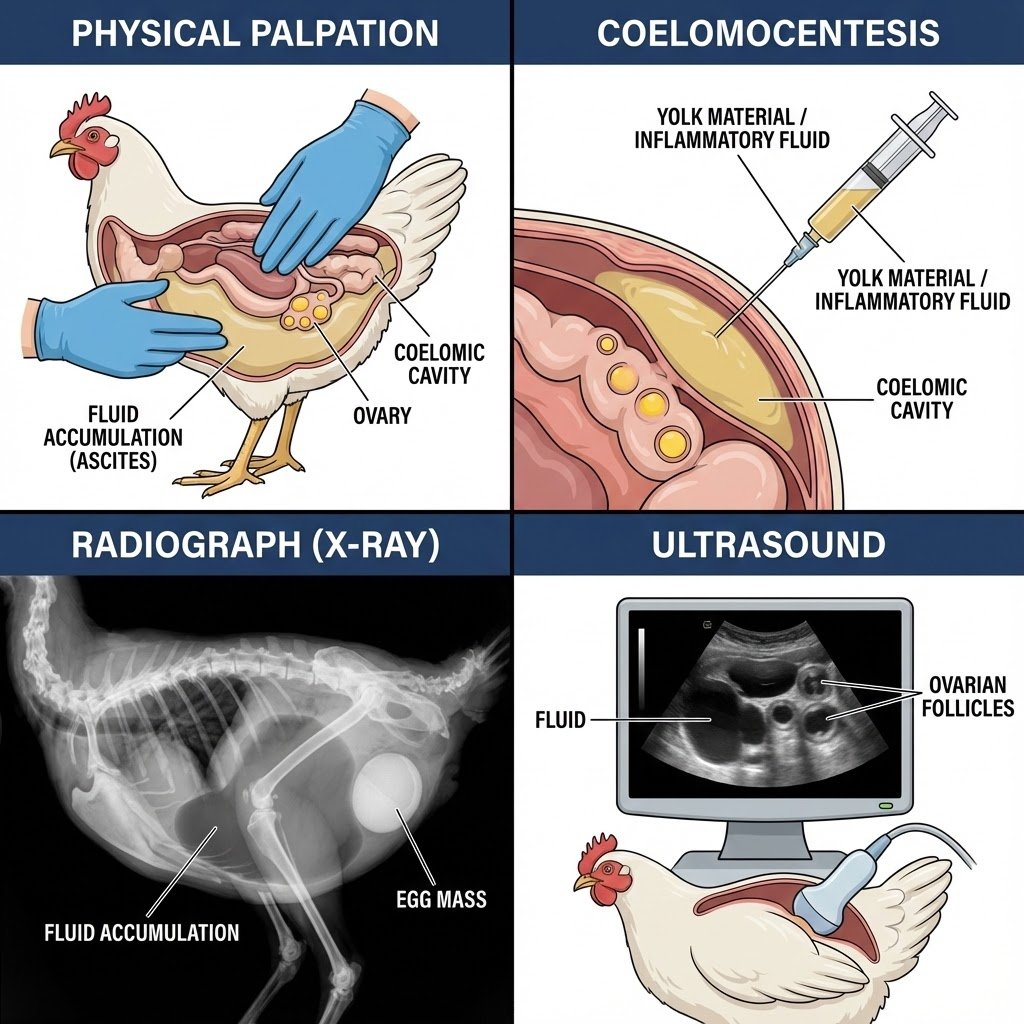
Veterinarians use multiple diagnostic tools to confirm egg yolk peritonitis.
Complete Blood Count (CBC): This blood test checks white blood cell levels. A CBC typically shows elevated white blood cells (leukocytosis), indicating inflammation or infection.
Coelomocentesis (Fluid Analysis): The vet inserts a small needle into the belly to draw out fluid. If the fluid looks like yellow yolk or pus, it confirms the diagnosis. Cytology involves looking at the cells under a microscope to identify bacteria and inflammatory cells, helping determine which antibiotics will be most effective.
Radiographs (X-rays): X-rays can show shelled eggs floating in the belly or masses that might be tumours. Ventro-dorsal X-rays are effective in identifying soft tissue inflammation in these cases.
Ultrasound: This gives a “live” look at the fluid and the ovary condition. Ultrasound is particularly useful for guiding treatment protocols and assessing the extent of internal damage.
Diagnostic Tests Comparison
| Test | Purpose | What It Reveals | Typical Cost Range |
|---|---|---|---|
| Physical Palpation | Initial assessment | Fluid presence, pain response | Included in exam ($50 to $100) |
| Complete Blood Count (CBC) | Detect infection | Elevated white blood cells, anaemia | $50 to $100 |
| Coelomocentesis (Fluid Tap) | Identify bacteria type | Confirms yolk material, guides antibiotic choice | $75 to $150 |
| Bacterial Culture and Sensitivity | Determine best antibiotic | Specific bacteria and which drugs work | $100 to $200 |
| Radiographs (X-rays) | Visualise structures | Eggs in abdomen, tumours, fluid volume | $100 to $250 |
| Ultrasound | Detailed soft tissue imaging | Ovarian cysts, oviduct condition, fluid pockets | $150 to $300 |
Note: Costs vary significantly by location and veterinary practice. These are approximate ranges and may differ substantially in the UK, Australia, Canada, and other countries.
Cost Note: Diagnostic testing can be expensive. It is okay to be honest with your vet about your budget. Many vets can work with you to prioritise the most essential tests.
Egg Yolk Peritonitis Treatment Options
Quick Answer: Egg yolk peritonitis treatment typically involves broad-spectrum antibiotics for bacterial infection, anti-inflammatory medication for pain, hormone therapy to stop egg production, and supportive care. Mild cases may resolve with treatment in two to four weeks, while severe cases may require surgery or humane euthanasia. Success depends on early detection and aggressive veterinary intervention.
This is the most critical part of your journey. The primary goal of egg yolk peritonitis treatment is to stop the infection, reduce inflammation, and stop the hen from laying more eggs.
Can a Chicken Survive Egg Yolk Peritonitis?
Yes, some can. However, survival depends heavily on how early you catch it and whether there is a secondary bacterial infection.
What Is the Mortality Rate for Egg Yolk Peritonitis?
The mortality rate varies significantly based on when treatment begins and the severity of infection. Sterile cases (yolk without bacteria) have survival rates of 60 to 80 percent with proper management. Septic cases (infected) have mortality rates of 50 to 70 percent even with aggressive treatment. Cases that progress to sepsis (blood infection) are often fatal despite intervention.
Early detection is the single biggest factor in survival. A hen treated within the first two to three days of symptoms has a much better prognosis than one who has been sick for a week or more.
Treatment Options Based on Severity
Mild Cases (No Bacterial Infection)
If the yolk is sterile (no bacteria yet), the body might absorb it.
Supportive Care: Keep her warm and quiet. Mild cases where no secondary bacterial infection is involved may only require supportive care.
NSAIDs: Your veterinarian may prescribe non-steroidal anti-inflammatory drugs (NSAIDs) to help manage pain and inflammation. Common options include meloxicam, though the specific medication and dosage must be determined by a licensed veterinarian based on your hen’s condition.
Moderate Cases (Bacterial Infection Present)
This requires aggressive egg yolk peritonitis treatment.
Broad-Spectrum Antibiotics: This is standard treatment and should be guided by culture and sensitivity testing when possible.
Fluid Draining: The vet may drain the fluid from her belly to help her breathe. This provides temporary relief but typically needs to be repeated unless the underlying cause is addressed.
Severe Cases
If the hen is septic (bacteria in the blood), she may need hospitalisation for oxygen therapy and IV fluids. Surgical intervention, known as salpingohysterectomy (removal of the oviduct and uterus), is high-risk and expensive, often costing between $500 and $1,500 depending on the facility. Note that costs vary significantly by location and veterinary practice.
What Is the Best Treatment for Peritonitis?
The best treatment combines multiple approaches simultaneously:
- Appropriate antibiotics based on culture results
- Hormone therapy to stop egg production
- Fluid drainage if breathing is compromised
- Pain management with NSAIDs
- Supportive care including warmth, hydration, and nutrition
No single treatment works well alone. The combination approach addresses both the immediate infection and the underlying cause.
What Antibiotics Are Used for Egg Yolk Peritonitis?
The best antibiotic for egg yolk peritonitis depends entirely on which bacteria are causing the infection, which is why bacterial culture is essential for effective treatment.
According to the Merck Veterinary Manual, the bacterial organisms most commonly involved are Escherichia coli (E. coli) and Enterococcus. Your veterinarian will typically prescribe broad-spectrum antibiotics that target these gram-negative bacteria while awaiting culture results.
Common Antibiotic Classes Used
Fluoroquinolones: This class includes drugs like enrofloxacin (Baytril), which are effective against E. coli infections. However, resistance has been documented, making culture testing important.
Tetracyclines: Medications like doxycycline or oxytetracycline are sometimes used for less severe cases, though effectiveness varies depending on the bacterial strain.
Aminoglycosides: In hospital settings, injectable aminoglycosides may be used for severe systemic infections, though they carry higher risks of side effects.
Can Human Amoxicillin Be Given to Chickens?
This is a common question from chicken keepers, and the answer requires careful consideration. While amoxicillin is sometimes used in poultry, giving human medications to chickens without veterinary guidance is problematic for several reasons:
Dosing concerns: Human amoxicillin tablets are formulated for human body weights. Calculating the correct dose for a 2kg chicken is difficult without veterinary training and can easily result in under-dosing (which promotes antibiotic resistance) or overdosing (which can cause toxicity).
Spectrum limitations: Amoxicillin may not be effective against the specific bacteria causing your hen’s infection. E. coli, the most common cause of peritonitis, often shows resistance to amoxicillin.
Withdrawal periods: If you use amoxicillin, you cannot consume the hen’s eggs for an extended period, and determining the appropriate withdrawal time without veterinary guidance is problematic.
Legal considerations: In many countries including the US, UK, and Australia, using human medications in food-producing animals without veterinary prescription violates agricultural regulations.
The safest approach is always to consult a veterinarian who can prescribe the appropriate antibiotic at the correct dose with proper withdrawal guidance.
Important Regulatory Note
Enrofloxacin (Baytril) is prohibited by the FDA for use in poultry intended for human consumption in the United States, though some avian veterinarians may prescribe it for pet chickens with strict warnings that the bird and her eggs can never enter the food chain. Regulations vary by country. UK, Australian, Canadian, and Nigerian poultry keepers should consult local veterinary guidelines.
Important Considerations
Never dose antibiotics yourself. What works for one bacterial strain may be useless or harmful for another. Antimicrobial treatment is often ineffective once bacterial infection has established, likely due to the extent of disease in the coelom.
Withdrawal periods matter. If you plan to eat eggs from treated hens, you must follow withdrawal times. Your veterinarian will specify how long to discard eggs after treatment (often two to four weeks or more).
Resistance is a concern. Overuse or improper use of antibiotics in poultry contributes to antibiotic resistance, which is why veterinary oversight is essential.
Hormone Therapy to Stop Egg Production
This is a game-changer for managing reproductive disease. A GnRH agonist (Gonadotropin-Releasing Hormone agonist), such as deslorelin implants (Suprelorin) or leuprolide acetate injections, is used by many avian veterinarians.
These treatments act like a “pause button” on the ovary, stopping ovulation so the body can heal and absorb the yolk without adding new fuel to the fire.
Leuprolide Acetate
Research from the University of Illinois College of Veterinary Medicine shows that leuprolide acetate depot injections (100 μg/kg every 6 weeks) have been shown effective at managing chronic egg laying in chickens. The study found that leuprolide-treated chickens ceased laying for 12 to 19 days, though the duration was shorter than expected, often requiring frequent re-administration to maintain the pause in ovulation.
Deslorelin Implants
Research published in veterinary literature found that implanting deslorelin before hens begin laying eggs is more effective, and the implant may remain effective for a longer period of time compared to treating hens that are already in active production.
Crucial Withdrawal Information
After a hen receives a hormone implant, neither she nor her eggs can be consumed for the rest of her life due to drug residue regulations. This treatment essentially converts your hen from a livestock animal to a purely companion pet.
Is There Egg Withdrawal with Fenbendazole?
This question often comes up because many chicken keepers use fenbendazole (Panacur, Safe-Guard) for deworming and wonder if it relates to peritonitis treatment.
Fenbendazole is a dewormer, not a treatment for egg yolk peritonitis. It has no effect on bacterial infections or reproductive disorders.
However, if you’re treating a hen for peritonitis and also need to deworm her, be aware that fenbendazole does have egg withdrawal requirements. In most countries, the recommended egg withdrawal period for fenbendazole is 14 days, though this can vary by formulation and jurisdiction. Always check your local regulations.
Do not confuse deworming with peritonitis treatment. They address completely different conditions.
How to Treat Egg Peritonitis at Home: Supportive Care
Important: Home supportive care does NOT replace veterinary treatment. These measures support your hen while under veterinary care or provide comfort if treatment is not pursued. Never attempt to treat egg yolk peritonitis without first consulting a veterinarian.
While you cannot cure the infection at home without medications, your nursing care is vital. Many chicken owners invest in setting up a chicken first aid kit with essential supplies specifically for their flock to handle these critical stabilisation moments.
The Chicken ICU
Isolate her in a dog crate indoors or in a warm garage. Heat lamps or safe brooder plates are essential equipment for sick hen care, as ill birds lose the ability to regulate their body temperature effectively. Keep the temperature around 75 to 80°F (24 to 27°C).
Reduced Stress
Keep her away from roosters and bullying hens. A quiet, dim environment helps her body focus energy on healing rather than vigilance.
Hydration
Ensure she is drinking. You may need to offer electrolyte water. If she isn’t drinking voluntarily, gently dip her beak in water with electrolytes or a vitamin supplement. Dehydration accelerates decline in sick birds.
Nutrition
Offer easily digestible, high-protein foods. Scrambled eggs (ironically), moistened layer pellets, or small amounts of cooked meat can help maintain strength. Do not force-feed.
Epsom Salt Baths
Warm baths can help relax the muscles and provide some comfort. Fill a basin with warm water (not hot) and allow her to soak for 15 to 20 minutes. Be gentle and do not squeeze her abdomen.
Recovery Time and Long-Term Management
What’s the Typical Recovery Time for Egg Yolk Peritonitis?
Recovery time varies significantly. Some hens show improvement within two to four weeks with proper treatment, while more severe cases may take six to eight weeks or longer. Some never fully recover but can be managed chronically.
Mild cases of egg yolk peritonitis without secondary bacterial infection may require only supportive care. However, antimicrobial treatment of peritonitis caused by E. coli infections is often ineffective once the disease has progressed, which impacts recovery expectations significantly.
Can Egg Yolk Peritonitis Recur?
Yes, unfortunately recurrence is common. Unless the hen’s reproductive system is surgically removed or permanently suppressed with hormone therapy, she remains at risk of producing more yolks that could end up in her abdomen.
In my experience, hens who survive one episode have approximately a 40 to 60 percent chance of recurrence within the following year. This is why hormone implants are so valuable for long-term management. They prevent new ovulation events that could restart the cycle.
Factors that increase recurrence risk:
- High-production breeds (ISA Browns, Leghorns, commercial hybrids)
- Hens over three years of age
- Obesity
- Continued artificial lighting
- Incomplete resolution of the initial infection
Managing a Hen After Recovery
If your hen survives egg yolk peritonitis treatment, she’ll need ongoing management to prevent recurrence.
Monitoring: Check her abdomen weekly by gentle palpation. If fluid starts accumulating again, contact your veterinarian immediately. Regular health checks on your hens help catch issues early.
Diet Adjustment: Continue providing layer ration but monitor her weight carefully. Obesity increases recurrence risk, but malnutrition weakens her immune system.
Lighting Management: Avoid artificial lighting. Let her lay naturally according to daylight hours, even if this means no winter eggs.
Hormone Maintenance: If your hen received a deslorelin implant, the effect lasts four to eight months depending on implant size and individual hen response. Watch for signs the implant is wearing off: increased vocalisation, crouching behaviour, increased appetite, and eventually resumption of laying. Re-implantation may be needed every six to twelve months.
Quality of Life Assessment: Some hens live comfortably for months or years after treatment, while others experience recurrence. Regularly assess whether she’s enjoying life, including eating enthusiastically, dust bathing, socialising with flockmates, and showing normal chicken behaviours.
Probiotic Support: Some poultry veterinarians recommend probiotic supplementation during and after antibiotic treatment to help restore beneficial gut bacteria. This can be provided through commercial poultry probiotics or fermented feeds, though the primary focus should remain on completing the prescribed antibiotic course.
How Long Can a Chicken Live with Egg Peritonitis?
There is no single answer, as it varies by bird.
Acute Cases: If the infection turns into sepsis, a chicken can decline and die within days, sometimes before you even notice symptoms.
Chronic Cases: Some hens develop a “sterile” peritonitis where the yolk is present but not infected. These hens can live for months or even years. They may look a bit swollen and waddle, but if they are eating, drinking, and dust bathing, they can have a good quality of life.
Quality of Life Assessment: You must be the judge. Is she suffering? Is she eating? Can she walk? Is she interacting with the flock? If the answer to these questions is no, humane euthanasia might be the kindest gift you can give her.
How to Prevent Egg Yolk Peritonitis
I’ve heard from countless chicken keepers who blame themselves for this condition, but the truth is you can’t prevent every case. However, you can lower the risks significantly with good husbandry. Many veterinarians agree that the most effective egg yolk peritonitis treatment is prevention, as it stops the condition before the infection becomes life-threatening.
Nutrition and Diet Management
Obesity is a major enemy. A fat hen has a crowded body cavity, making it harder for the egg to enter the oviduct. One of the most overlooked aspects of how to prevent egg yolk peritonitis is strict weight management.
Feed Quality Matters: Feed a high-quality, complete layer ration appropriate for your hen’s age and production level. These feeds are formulated to provide the exact nutrient balance a laying hen needs.
Limit Treats: Poultry nutritionists generally recommend limiting treats and scratch grains to no more than 10 percent of daily intake. Excess treats can lead to obesity and nutritional imbalances.
Calcium Supplementation: Ensuring adequate calcium for your chickens is critical for shell formation and reproductive health. Always provide oyster shell or other calcium supplements free-choice in a separate dish, not mixed in food.
Lighting and Egg Production Management
Avoid Over-Lighting: While light stimulates laying, too long a photoperiod (over 16 hours) causes stress. Avoid using artificial lights in the coop during winter. Let your hens have a natural break from laying to recharge their bodies.
Pullet Management: Do not stimulate young pullets (especially lightweight breeds) with light too early. Their reproductive systems need time to mature properly.
Flock Sanitation and Disease Prevention
Bacteria like E. coli live in droppings. If your coop is dirty, the risk of infection rising into the oviduct is higher.
Key Sanitation Steps
Water Sanitation (Most Critical): The Merck Veterinary Manual highlights drinking water sanitation as one of the best preventive strategies. Clean waterers daily with a diluted bleach solution (1 tablespoon per gallon of water, rinse thoroughly). Consider nipple drinkers, which drastically reduce bacterial contamination compared to open founts.
Nesting Box Hygiene: Replace nesting material weekly or whenever soiled. Hens spend significant time in nest boxes, and bacteria from droppings can contaminate the vent area.
Coop Bedding Management: Practice deep litter management or clean coops weekly. Remove wet spots immediately, especially under roosts. Ammonia buildup from dirty bedding stresses respiratory and reproductive systems.
Prevent Fecal Contamination of Feed: Use hanging feeders elevated to prevent chickens from scratching bedding and droppings into feed. Store feed in airtight containers to prevent contamination.
Biosecurity for Viral Disease Prevention: Vaccinate for Marek’s disease if possible (most hatcheries offer this). Quarantine new birds for 30 days before introducing to your flock.
Regular Vent Cleaning: During peak laying season, check hens’ vent areas weekly. Remove dried egg material or droppings that could harbour bacteria near the cloaca opening.
Breed Considerations
While any chicken can develop egg yolk peritonitis, high-production layer breeds like Leghorns (300+ eggs per year), Rhode Island Reds, ISA Browns, and Golden Comets face higher risk because they’ve been selectively bred for intensive egg laying. Their reproductive systems work overtime compared to heritage breeds.
Heritage breeds like Brahmas, Cochins, Wyandottes, and Orpingtons typically lay 150 to 200 eggs per year and experience lower rates of reproductive disorders, though they are not immune. If you’re selecting chickens for your backyard flock and longevity is a priority, consider heritage breeds with more moderate laying patterns that put less strain on reproductive organs.
Is Egg Peritonitis Contagious?
No, egg yolk peritonitis is not contagious. You cannot “catch” it from a hen, and she cannot give it to her flock mates.
However, if you see multiple hens getting sick, you might have a contagious underlying issue:
- A viral infection sweeping the flock (like Infectious Bronchitis) can damage oviducts
- Poor management (obesity, dirty water) affects everyone equally
- Shared environmental factors increase risk across the flock
Can Peritonitis Cause Other Health Issues?
Because the abdomen contains vital organs, having free-floating yolk creates a domino effect of health complications.
Sepsis (Blood Infection)
This is the most dangerous complication. Bacteria from the coelom can enter the bloodstream, causing sepsis. In chickens, sepsis from egg peritonitis causes rapid deterioration. The hen may appear normal in the morning and be found dead by evening.
Signs of sepsis include cold feet, blue or purple comb, lethargy, and reluctance to move even when stimulated.
Organ Damage and Failure
The fluid buildup (ascites) in the abdomen creates immense pressure.
Respiratory Compromise: Chickens rely on expanding their body cavity to breathe. Fluid prevents air sacs from inflating, leading to suffocation.
Liver Damage: The liver becomes compressed and may become friable (easily crumbled) or fatty, further complicating recovery.
Adhesions and Chronic Pain
As the yolk material dries or is partially absorbed, it creates sticky bands of tissue called adhesions. These act like internal scar tissue, gluing organs together. The intestines may stick to the oviduct or abdominal wall, causing chronic pain, difficulty defecating, and digestive stasis.
Secondary Infections
The weakened immune system and nutrient-rich yolk environment invite other pathogens. Hens with peritonitis are more susceptible to respiratory infections, mites, and lice because they stop preening and dust bathing effectively.
Egg Peritonitis Post Mortem: What You Might See
If your hen unfortunately passes away from egg yolk peritonitis, a necropsy (animal autopsy) can confirm the diagnosis and provide closure.
Common post mortem findings include:
Yolk material in the abdomen: Yellow, cheesy, or caseous material coating the internal organs. This is the most distinctive finding.
Inflamed peritoneum: The abdominal lining appears red, thickened, and may be covered with fibrous adhesions.
Abnormal ovary: The ovary may show cysts, tumours, or multiple large follicles that were ready to ovulate.
Impacted or infected oviduct: The oviduct may be dilated, filled with pus, or twisted.
Liver changes: The liver often appears enlarged, pale, or mottled due to the chronic infection.
Some veterinary schools or diagnostic laboratories will perform necropsies for a fee. This can be valuable if you have concerns about contagious diseases affecting your remaining flock.
Frequently Asked Questions
Can peritonitis heal on its own?
In rare, sterile cases (mild internal laying without bacteria), the body might reabsorb the yolk. However, once infection sets in (true peritonitis), it will not heal without antibiotics. Waiting typically leads to suffering and death.
Should I cull a chicken with egg peritonitis?
This is a deeply personal decision. If treatment is unsuccessful or not financially feasible, and your hen shows signs of suffering such as inability to breathe comfortably, complete refusal to eat or drink, or inability to stand, humane euthanasia may be the most compassionate option. This should be performed by a licensed veterinarian who can ensure a painless passing. This is not failure on your part as a chicken keeper. It’s an act of mercy.
Can I eat eggs from a hen with peritonitis?
In the unlikely event she lays an egg while sick, do not eat it if she is on antibiotics (follow withdrawal times). If she has received a hormone implant (Suprelorin), her eggs are never safe for human consumption again.
Is egg yolk peritonitis painful?
Yes. The inflammation of the abdominal lining is painful, and the pressure on organs causes significant discomfort. The “penguin stance” is a posture adopted specifically to relieve pain and pressure.
What is the difference between egg binding and egg peritonitis?
Egg binding is an acute emergency where a hard egg is physically stuck near the vent. It kills in hours if not resolved. Egg peritonitis is a chronic condition where yolk leaks internally. It kills over days or weeks. Both require veterinary attention, but the urgency and treatment differ substantially.
Does draining the fluid cure the chicken?
Usually, no. Draining fluid (abdominocentesis) provides temporary relief, effectively allowing her to breathe better, but the fluid will return unless the underlying infection and ovulation are stopped.
Can I prevent this condition 100%?
No. Even with perfect care, high-production breeds are genetically prone to reproductive failure as they age.
Is the surgery worth it?
Surgery (salpingohysterectomy) is the only potential “cure” but carries high risk. For a beloved pet, it may be worth it, but for a production bird, the cost ($500 to $1,500+) usually outweighs the benefit.
Why is my hen’s comb still red if she’s sick?
A red comb indicates reproductive hormones are still active. It can be misleading, making you think she is healthy when she is actually critically ill.
How do you know if peritonitis is getting worse?
Signs of deterioration include increased laboured breathing, refusal to eat or drink, cold feet (indicating poor circulation), purple or blue comb, complete inability to walk or stand, and open-mouth breathing at rest.
When to Call Your Veterinarian
Time is critical. If you notice these signs, do not wait and see. Our guide on when to call the vet for backyard chickens provides detailed guidance on emergency situations.
Finding a Veterinarian
Finding an avian veterinarian in your area is crucial before an emergency strikes. Use the Association of Avian Veterinarians directory or search for “exotic pet veterinarian near me,” as many exotic vets treat chickens even if general small animal clinics do not.
Emergency Red Flags
Call a veterinarian immediately if your hen displays any of these critical symptoms:
- Open-mouth breathing, which indicates she is struggling with internal fluid
- Cyanosis, meaning comb or wattles turn purple or blue from oxygen deprivation
- Collapse or inability to stand, or wings held out for balance
- Flystrike, which is maggot infestation in dirty vent area (develops within hours)
Emergency Stabilisation Protocol
If you cannot get to a vet immediately:
Isolate and Warm: Move her to a “Hospital Cage” (dog crate) indoors. Keep the temperature around 75 to 80°F. Sick birds cannot regulate body heat.
Hydrate: Electrolytes are crucial. If she isn’t drinking, gently dip her beak in water with electrolytes or a vitamin supplement.
Minimise Handling: Her belly is painful and full of fluid. Squeezing it can rupture air sacs or cause the fluid to compress her heart. Lift her gently with support under the keel, not the abdomen.
What to Ask Your Vet
When you arrive, be prepared to ask:
- “Can we do a fluid tap to confirm the diagnosis?”
- “Is she stable enough for fluid drainage?”
- “What is the cost estimate for bloodwork versus empirical antibiotic treatment?”
- “What are the realistic chances of recovery?”
Key Takeaways
- Egg yolk peritonitis occurs when yolk enters the abdomen instead of the oviduct
- Classic signs include penguin stance, swollen belly, stopped laying, and laboured breathing
- Most common bacteria involved are E. coli and Enterococcus
- Treatment requires veterinary care including antibiotics, hormone therapy, and supportive care
- Some hens survive with early treatment while others do not despite intervention
- Prevention focuses on proper weight, avoiding forced laying, and excellent sanitation
- Not contagious, but multiple cases suggest flock-wide management issues
- Recurrence is common without hormone therapy or surgical intervention
Conclusion
Egg yolk peritonitis is one of the most challenging reproductive disorders facing backyard chicken owners, but understanding the symptoms, treatment options, and prevention strategies empowers you to give your hens the best possible care. While not every case is survivable, early detection and prompt veterinary intervention can make the difference.
Focus on prevention through proper nutrition, avoiding forced egg production, and maintaining excellent flock sanitation. Most importantly, establish a relationship with an avian veterinarian before emergencies arise. By staying vigilant and informed regarding egg yolk peritonitis treatment, you are already taking important steps to protect your flock’s health.

Oladepo Babatunde is the founder of ChickenStarter.com. He is a backyard chicken keeper and educator who specializes in helping beginners raise healthy flocks, particularly in warm climates. His expertise comes from years of hands-on experience building coops, treating common chicken ailments, and solving flock management issues. His own happy hens are a testament to his methods, laying 25-30 eggs weekly.