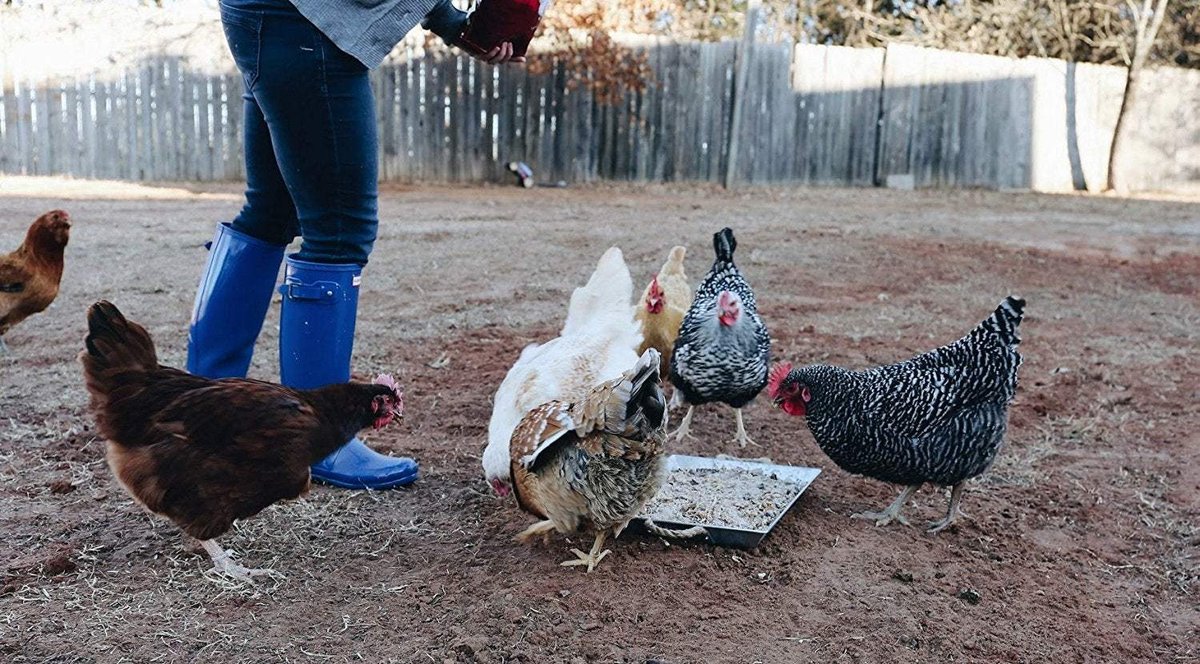
Keeping a chicken coop clean, dry, and smelling fresh is a top priority for any backyard chicken keeper, especially in humid climates. You have likely heard that using barn lime in chicken coop areas can help. But with different types of lime available at the farm supply store, it is absolutely crucial to know which one is safe for your flock and how to use it correctly to avoid harming your birds.
Whether you are searching for information about ag lime for chicken coop maintenance, wondering if Waukesha barn lime is safe for chickens, or trying to understand the difference between pelletized and powdered lime, this guide covers everything you need to know to use lime in chicken coops safely. This complete guide will walk you through everything, from choosing the right product to expert-approved methods for odor and moisture control that actually work.
Key Facts for Safe Use of Barn Lime in Chicken Coop
- Use only agricultural/garden (barn) lime — calcium carbonate (CaCO₃) — under bedding; never hydrated/quicklime (NIOSH/OSHA, Mississippi State University Extension)
- Do not use agricultural lime for ammonia; acidifiers (like sodium bisulfate) and ventilation are the proven methods to reduce ammonia (University of Georgia Poultry Environmental Quality Handbook)
- There is no scientific support for lime as a snake repellent; extensions advise exclusion (hardware cloth) and habitat management (MSU Extension, Utah State University Extension)
Quick Answer: The Safety First Rule
The quick answer: Yes, you can use barn lime in a chicken coop, but only agricultural/garden “barn lime” (calcium carbonate). Sprinkle it sparingly on the bare floor under the bedding to help dry damp spots and reduce general odors by drying.
Important Note: Agricultural (barn) lime is not recommended as a litter treatment in poultry houses because it raises litter pH and can increase ammonia release. If used in a backyard coop, apply only as a light drying layer under bedding and never when ammonia is present.
Never use hydrated lime in chicken coop areas, as it is highly caustic and will burn your chickens’ sensitive skin and respiratory systems. For controlling strong ammonia smells, focus on improving ventilation and consider proven litter acidifiers instead of barn lime.
What Kind of Lime Is Safe for a Chicken Coop?
Getting the product right is the single most important step for the health of your flock. Misidentifying the type of lime is a common and dangerous mistake.
Understanding Lime Terminology: Ag Lime, Garden Lime, and Barn Lime
If you are at the feed store feeling confused by the different bags, you are not alone. For a backyard chicken keeper’s purposes, terms like “barn lime,” “ag lime” (agricultural lime), and “garden lime” are used interchangeably. They all refer to the same safe, non-caustic product: calcium carbonate (CaCO₃).
According to TarBox Hollow Poultry, barn lime “is a natural mineral known as calcium carbonate, crushed up to a coarse powder. It is safe for you to handle and safe for your farm animals, including poultry.”
The different names simply come from marketing and common use:
- Garden lime is sold for changing soil pH for plants
- Ag lime is the broader agricultural term
- Barn lime (or “stall lime”) is specifically marketed for use in animal stalls and bedding to help absorb moisture and odors
Regardless of the name on the front of the bag, the crucial factor is the chemical makeup on the ingredients label. This is why label verification is so important. Ignore the big print name and read the fine print ingredients list. The bag must say “Calcium Carbonate” or “Ground Limestone.”
Lime Safety Reference Table
| Common Name | Chemical Name | Formula | Safe for Coops? |
|---|---|---|---|
| Barn Lime | Calcium Carbonate | CaCO₃ | Yes (The only safe option) |
| Ag Lime | Calcium Carbonate | CaCO₃ | Yes (The only safe option) |
| Garden Lime | Calcium Carbonate | CaCO₃ | Yes (The only safe option) |
| Dolomite Lime | Calcium Magnesium Carbonate | CaMg(CO₃)₂ | Yes (Safe option) |
| Hydrated Lime | Calcium Hydroxide | Ca(OH)₂ | NO (Caustic – Dangerous) |
| Builder’s Lime | Calcium Hydroxide | Ca(OH)₂ | NO (Caustic – Dangerous) |
| Quicklime | Calcium Oxide | CaO | NO (Extremely Caustic – Dangerous) |
The Only Safe Choice: Agricultural Lime (CaCO₃)
The only type of lime that is safe to use in a chicken coop is agricultural lime (or “ag lime”), which is typically sold as barn lime or garden lime. For detailed guidance on lime types and safe use in poultry settings, consult resources like the University of Kentucky’s eXtension poultry articles.
Chemical Composition: This lime is derived from crushed limestone, and its chemical name is calcium carbonate (CaCO₃).
Safety Profile: Calcium carbonate is a gentle, natural, non-caustic material. It is the same base ingredient used in chicken feed supplements (like crushed oyster shells), though the form and purpose is different.
Dolomitic Lime: According to experienced chicken keepers on BackYardHerds, “Dolomitic or calcitic lime is completely totally safe for chickens and other animals. You can even feed it to chickens as a calcium supplement.” Dolomite lime is calcium carbonate with magnesium added. It is also safe to use in the coop. The key is that it is a carbonate, which is chemically stable and non-reactive with water.
Danger Zone: Limes to Strictly Avoid (Caustic Products)
You must NEVER use hydrated lime (calcium hydroxide) or quicklime (calcium oxide) in a coop where chickens live. These products are hazardous materials and are not intended for use around animals due to their extremely high pH and caustic properties.
| Dangerous Lime Type | Chemical Name/Formula | Danger Profile |
|---|---|---|
| Hydrated Lime | Calcium Hydroxide (Ca(OH)₂) | Highly caustic. Reacts with moisture (skin, eyes, lungs) causing severe chemical burns. |
| Quicklime | Calcium Oxide (CaO) | Extremely reactive. Reacts exothermically with water, generating heat sufficient to ignite combustible materials and causing severe thermal/chemical burns (NIOSH/ICSC: Calcium Oxide Hazard Card). |
Lime in Chicken Coop vs. Hydrated Lime: Critical Safety Distinction
WARNING: DO NOT USE HYDRATED LIME IN A CHICKEN COOP
Many online searches for “hydrated lime in chicken coop” lead to dangerous and incorrect advice. Hydrated lime (calcium hydroxide) is not the same as barn lime and is extremely dangerous to chickens.
According to a BackYard Chickens forum discussion citing research from poultry.extension.org: “Lime is caustic to organic matter and destroys debris in addition to pathogens. Lime also BURNS the footpads of birds if it is left on the ground or floor. It is important to take animals out of the area before treating the area with lime.”
This warning specifically refers to hydrated lime, not agricultural barn lime.
- Barn Lime (CaCO₃) is non-caustic and safe under bedding
- Hydrated Lime (Ca(OH)₂) is highly caustic and will cause severe chemical burns to your chickens’ feet, skin, eyes, and respiratory systems
You may hear that large, commercial poultry operations sometimes use hydrated lime as a disinfectant. This is a highly controlled, industrial process done only in empty, cleaned-out barns between flocks. The caustic lime is applied and left for a set time to kill pathogens before being neutralized and thoroughly aired out. It is never used with birds present and is not a safe or appropriate practice for a backyard coop environment.
Sourcing and Label Verification
To ensure you are buying the right product, always read the fine print on the bag. According to experienced keepers on BackYard Chickens, “barn lime aka ag lime is safe and not caustic. Hydrated lime is what you want to stay away from.” Look for bags that explicitly state “does not contain caustic material.”
If the label does not explicitly say “Calcium Carbonate” or list “Barn Lime,” “Garden Lime,” or “Agricultural Lime,” choose a different product. Avoid any product labeled “Builder’s Lime” or “Slaked Lime,” as these are usually the caustic hydrated form.
I recommend agricultural barn lime for coop use because it provides reliable moisture absorption at an affordable price point.
Is Barn Lime Safe for Chickens? Understanding What Lime Is Safe for Chickens
Yes, barn lime (CaCO₃) is safe for chickens and other animals when used correctly. The only lime that is safe is agricultural lime (calcium carbonate). Correct use minimizes respiratory exposure and prevents ingestion.
According to one experienced keeper documented in a YouTube video on barn lime safety, “We use it in the horse stalls and we cannot keep the chickens out of it. It is their favorite place to dust bath. Never had any issues.”
Respiratory Safety and Your Health
The primary risk associated with any powdered lime product—even the safe calcium carbonate—is dust inhalation. Fine dust particles are severe irritants to the respiratory systems of both humans and chickens. Any fine particulate can irritate airways; avoid creating dust clouds and let dust settle completely before allowing re-entry (a core safety recommendation supported by NIOSH/OSHA guidelines on particulate dusts).
Proper PPE: Always wear an N95 or better dust mask, safety glasses, and gloves during application.
Knock Down Dust: After sprinkling the lime, use a light misting of water from a spray bottle to help the fine particles settle instantly before you replace the bedding.
Ingestion vs. Supplementation
Barn lime is a floor treatment, not a feed supplement. While calcium carbonate is essential for eggshell strength, the lime used on the floor should be inaccessible.
Preventing Ingestion: Barn lime must always be covered by a deep layer of bedding (4-6 inches minimum). If a chicken manages to ingest a tiny amount of the covered lime, it is generally harmless, but larger amounts can disrupt the digestive pH.
Dedicated Calcium: Always provide a separate, dedicated source of calcium. Our ultimate guide to calcium for chickens explains exactly what they need. This ensures hens get the dietary calcium they need without seeking it from the floor.
Understanding Lime in Dust Baths
The question of whether to add lime to dust baths requires nuance based on the type of lime used.
Standard Barn Lime (Calcium Carbonate): According to experienced keepers on BackYard Chickens, “We use this same barn lime in my coop. We also use it in the horse stalls and we cannot keep the chickens out of it. It is their favorite place to dust bath. Never had any issues.”
While standard barn lime is non-caustic and chickens often self-select to dust bathe in it, the fine powder does create respiratory irritation risk when birds vigorously toss material. If your chickens naturally gravitate toward lime areas for dust bathing, this is generally not cause for alarm, but providing a dedicated dust bath with less dusty materials is preferable.
Hydrated Lime: Never allow chickens to dust bathe in hydrated lime. This is truly dangerous and will cause severe burns.
First Saturday Lime: According to the manufacturer and Grubbly Farms, First Saturday Lime is specifically formulated to be safe for dust baths. The recommended ratio is 1 part FSL, 1 part diatomaceous earth, and 4 parts sand.
Safest Approach for Standard Barn Lime: If you want to incorporate barn lime into dust bathing areas, mix it sparingly with sand and soil rather than using it as the primary material. The safest dust bath ingredients remain a simple mix of sand, soil, and clean wood ash (from untreated wood only).
For standard barn lime, you should never add it to your chickens’ dust bath. The safest ingredients for a dust bath are a simple mix of sand, soil, and clean wood ash (from untreated wood only). For more on parasite control, see our guide on how to set up a dust bath for chickens.
What Are the Benefits of Barn Lime in Chicken Coop, and What Does It Not Do?
People use barn lime to solve two main problems: moisture and odor. However, it is vital to understand its limitations, especially concerning the highly toxic gas, ammonia.
Primary Benefit: Moisture Control
Barn lime functions primarily as a moisture absorbent or “blotter” layer on the coop floor. It should only be used as a drying aid on the bare floor before adding new litter.
According to TarBox Hollow Poultry, barn lime “creates a pH level and a dryer environment that makes it harder for lice and mites to survive, plus it is antibacterial, that will help keep bad bacteria at bay. Not only does it help keep your coop floor dryer, it also has potential to keep ammonia levels down too.”
| Function | How Barn Lime Helps |
|---|---|
| Absorbs Water | The granular structure of the lime powder draws moisture away from the damp floor, especially under roosts and near waterers |
| Can Reduce General Odor (By Drying) | By keeping the floor and the bottom layer of bedding drier, it inhibits the growth of bacteria and mold that cause musty, damp, or poopy smells |
| Inhibits Pathogen Growth | A dry environment is less hospitable to common coop pathogens and parasites, creating an overall healthier bedding base |
| Disease Prevention | According to one chicken keeper, lime “helps prevent diseases like Avian Influenza just by keeping everything cleaner and keeping the bad bacteria away” |
The Ammonia Misconception: A Critical Warning
Critical chemistry: Barn lime raises litter pH (makes it more alkaline), which increases ammonia volatilization—the opposite of what you want for odor control.
This is the most misunderstood aspect of barn lime use. Barn lime does not neutralize ammonia; it can often make it worse.
Ammonia Creation: Ammonia gas (NH₃) is produced when bacteria break down uric acid in chicken droppings.
The Volatilization Risk: Many people mistakenly believe lime neutralizes ammonia. As advised by experts like the University of Kentucky’s eXtension, alkaline amendments (including agricultural lime) increase pH and can increase ammonia volatilization; poultry extensions do not recommend agricultural lime for litter treatment. Ammonia is trapped when the litter is acidic (low pH). When the litter pH rises (becomes alkaline), the ammonia is released.
The Result: If you use barn lime in a coop that already smells strongly of ammonia, you are likely accelerating the release of the toxic gas, increasing the health risk to your flock. Never apply it when ammonia is present.
Understanding the “Commercial vs. Backyard” Context
When researching, you may find seemingly contradictory advice from university extensions, with some stating “do not use agricultural lime in poultry houses.” This is a critical distinction in context.
Commercial Context: This advice (like the University of Kentucky’s) refers to large-scale, commercial poultry production. In that setting, “litter treatment” means mixing an amendment into the bedding for an entire flock’s production cycle to manage pH. Using ag lime this way is counterproductive, as it raises pH and increases ammonia release. Commercial houses may use caustic hydrated lime as a disinfectant in an empty barn between flocks.
Backyard Context: The method described in this guide is entirely different. It is the backyard practice of applying a light dusting of ag lime under the fresh bedding during a clean-out. The goal is not to treat the litter, but to absorb residual moisture from the bare floor. This is a traditional, safe use when done correctly and sparingly.
Is Barn Lime a Disinfectant?
No. Barn lime (calcium carbonate) does not have disinfectant properties. It does not kill bacteria, viruses, or parasites. Disinfection effects reported in poultry research relate to quicklime or hydrated lime, which are caustic and not used with birds present.
Does Barn Lime Have Antimicrobial Properties?
Barn lime (calcium carbonate) has mild antimicrobial properties due to its alkaline nature and moisture-absorbing effect. According to TarBox Hollow Poultry, barn lime “is antibacterial, that will help keep bad bacteria at bay.”
According to First Saturday Lime’s research, “Lime has natural antimicrobial properties that help eliminate harmful bacteria, viruses, and fungi” and “lime works to disrupt the cell walls and membranes of these microorganisms.”
However, important context:
- Barn lime is not a substitute for proper disinfection protocols. Its antimicrobial action is mild compared to dedicated disinfectants.
- The strong disinfection effects reported in commercial poultry research typically refer to caustic hydrated lime, which is not safe for use with birds present.
- Barn lime’s primary value is moisture control and creating an inhospitable environment for pathogens—not active disinfection.
For true coop disinfection, use a poultry-safe disinfectant after removing all birds and bedding, then allow to dry completely before applying barn lime and fresh bedding.
Critical Warning: Barn Lime and the Deep Litter Method
If you use the deep litter method to compost your chicken manure inside your coop, barn lime is NOT compatible with this system.
According to the Country Living Experience, “If you’re using the deep litter method of composting your chicken manure inside your coop, these methods aren’t going to work because it is going to kill off all the beneficial microbes that are in there breaking down and helping to eliminate the bad bugs inside of your coop. So it doesn’t discriminate—neither DE or lime discriminate in what they kill.”
Why this matters:
- The deep litter method relies on beneficial bacteria and microbes to break down droppings
- Barn lime kills these beneficial organisms along with harmful ones
- Using lime destroys the composting action that makes deep litter effective
If you use deep litter: Do not use barn lime. Instead, maintain your deep litter system by:
- Keeping bedding dry through ventilation
- Adding fresh carbon material regularly
- Turning the litter to aerate it
- Managing moisture through proper coop design
For more on coop management, see our guide on how to keep a chicken coop from smelling.
How Often Should You Use Barn Lime for Chicken Coop?
There is not a strict schedule; instead, you should use barn lime sparingly as a maintenance tool when conditions call for moisture absorption.
Best Timing for Application
A “less is more” approach is always best to avoid excessive dust accumulation.
During a Full Clean-Out: This is the most common and safest time. After removing all old bedding and scraping the floor clean, apply a light dusting to the bare floor before adding a fresh, deep layer of bedding.
Spot-Treating Damp Areas: If you notice a specific problem area (often under the roosts or near a leaky waterer), remove the wet bedding completely, apply a small amount of lime to the bare floor, and immediately cover it with fresh, dry bedding.
Seasonal Use: Consider using it more often during periods of high humidity or wet weather (like rainy springs or humid summers) when moisture seeps up through dirt floors. For seasonal coop management tips, see our guide on keeping your chicken coop dry in damp UK climates.
Indicators You Need a Clean-Out (and Lime)
Do not wait for a bad smell to clean the coop. Instead, watch for these signs:
- “Matting” or Caking: The bottom layer of your litter has become sticky or matted, indicating excessive moisture
- Visible Damp Patches: Persistent wet spots on the floor that do not dry out
- Visual Confirmation: When you turn the litter, the very bottom layer is dark, heavy, and compressed
How to Use Barn Lime in Chicken Coop: Safe Application Methods
Safety and proper layering are key to using lime in chicken coop areas effectively and risk-free.
Step-by-Step Application Process
Step 1 – Safety Protocol: Put on your N95 or better mask, safety glasses, and gloves. The moment you start disturbing old bedding or lime dust, protect your lungs.
Step 2 – Flock Removal: Move your entire flock to a secure outdoor run or temporary enclosure. Ensure all feed and water containers are removed from the coop area.
Step 3 – Remove All Soiled Litter: Shovel and scrape out all old bedding and manure. The lime should be applied to the bare floor (wood, dirt, or concrete). According to the Country Living Experience video, “You want to make sure you’re knocking down all of the poop that gathers on the roosting bars over time and those are the places where your mites and lice are really going to congregate.”
Step 4 – The “Powdered Sugar” Layer: Lightly sprinkle the barn lime across the clean coop floor. The goal is a thin, even, white haze—like powdered sugar on a donut—not a thick, solid coating. An old coffee can with holes punched in the lid makes a perfect shaker tool. As a practical example, for a typical 4×8 foot coop floor (32 sq ft), approximately 2-3 cups of barn lime is sufficient to create this thin haze.
Pro Tip for Pelletized Lime: According to the Country Living Experience, if you have pelletized lime, “We like to have a smaller finer granule that is more easily distributed throughout the coop and you get a better coverage on it. So what we do is we take our pelletized lime, we’ve got an old cast iron skillet, we’ve got a rock and we just kind of use a mortar and pestle idea and we crush it up a little bit.”
Step 5 – Dampen to Settle Dust (Optional but Recommended): Lightly mist the air after application (avoid soaking the floor) to knock down residual dust. This instantly binds the fine dust particles to the floor surface.
Step 6 – Deep Bedding Layer: Cover the lime completely with a fresh, deep layer of bedding. You should aim for 4 to 6 inches of clean pine shavings, chopped straw, or hemp bedding. When finished, absolutely no white lime should be visible. For bedding comparisons, see our guide on hemp vs straw vs sand chicken bedding.
Step 7 – Ventilate and Return: Open all coop windows and vents and allow the area to air out for at least 30 minutes before allowing your chickens to return.
Lime for Chicken Runs and Outdoor Areas
Using lime in a chicken run serves a different purpose than inside the coop. While coop use focuses on moisture absorption under bedding, run use focuses on drying muddy areas and managing odor on the soil surface.
Application: You can use agricultural lime (CaCO₃) to help dry out persistently muddy or high-traffic areas in the run. Rake the area, broadcast the lime more heavily than you would in the coop, and then rake it into the top couple of inches of soil. This is one of many ways of fixing a muddy chicken run.
Safety: While ag lime is non-caustic, it is best to apply it when the run is dry to avoid it clumping. You can let your chickens back in immediately, but applying it during a rainfall or lightly wetting it down will help it incorporate into the soil faster and reduce any dust.
Pelletized vs. Powdered Lime
When shopping, you will see both powdered and pelletized (or prilled) lime.
Powdered Lime: This is the best choice for inside the coop. Its fine texture is highly absorbent and creates a good barrier on the floor. However, it is extremely dusty.
Pelletized Lime: This is an excellent choice for outdoor chicken runs. It is the same product (calcium carbonate) just formed into small pellets. It is virtually dust-free, making it much safer to apply. The pellets break down with rain and time, releasing the lime into the soil. It is not as effective for immediate moisture-wicking on a coop floor, which is why powdered is preferred indoors.
A Note on Lime for Duck Coops
You can use agricultural lime (CaCO₃) in a lime for duck coop setting with the same safety rules: only calcium carbonate, never hydrated lime. However, ducks produce significantly more moisture than chickens. Lime can help, but it is not a substitute for the number one requirement for ducks: superior ventilation and frequent bedding changes. A deep layer of bedding (12+ inches) and excellent airflow are even more critical for managing a duck coop.
The Secret to an Odor-Free Coop: Beyond Barn Lime
Barn lime is merely a tool for moisture. The true foundation of a healthy, odor-free coop relies on two pillars of management: ventilation and proper litter management. The real secret to an odor-free coop is not a product in a bag; it is good coop management.
Foundation Tier: Ventilation and Dryness
This is the most critical factor for ammonia control. If you can smell ammonia, your ventilation is insufficient, and the air quality is toxic to your chickens. Good airflow is essential, and it is important to know how much ventilation a chicken coop needs. It pulls damp air and ammonia gas out of the coop, but many keepers make common coop ventilation mistakes that can harm their flock.
SCIENCE-BASED FACT: Auburn University research testing six litter treatments found acidifiers effective for ammonia control while lime “failed to produce any favorable results.”
Upper Vents are Key: Install high-level ventilation above the chickens’ heads (near the roofline) to allow hot, damp air and toxic ammonia gas to escape naturally. This is essential, even in winter.
Ammonia Target: Target less than 25 ppm ammonia; do not rely on your nose alone, as perception thresholds rise with exposure. Learn more about the relationship between high humidity, litter moisture, and ammonia from the UGA Poultry House Environmental Management resources.
Avoid Drafts: While high vents are needed, ensure there are no drafts at the chicken-level (near the floor/roost), as cold, damp drafts can cause respiratory illness.
Moisture Sources: Fix leaky waterers immediately. Use nipple waterers or waterers placed on grates to ensure spilled water falls away from the litter. Ensure the roof is watertight.
Specific Challenge: Managing Moisture and Ammonia in Humid Climates
For keepers in naturally humid regions, like those in the Southeast, managing moisture is a constant battle, similar to managing heat and humidity in Australian conditions. Since humidity limits the natural evaporation of moisture from bedding, ventilation becomes the single most critical factor for preventing damp litter and dangerous ammonia buildup.
Summer/High Humidity: Maximize upper ventilation and consider installing a small, safety-caged box fan (with protected cords) to actively pull warm, moist, ammonia-laden air out of the coop, especially at night.
Winter/Cold Weather: Never seal your coop completely. While you want to prevent drafts at roost level, high-level vents must remain open year-round. This continuous airflow is necessary to evacuate water vapor and ammonia gas, protecting your birds from dangerous air quality (Target less than 25 ppm ammonia). A damp, sealed coop is more dangerous than a cold, dry, well-ventilated one. For winter preparation, see our winterizing chicken coop guide.
Second Tier: Proper Litter Management
If you do not use the deep litter method, regular litter management is essential for odor control.
Goal: Maintain a dry, loose layer of carbon-rich bedding (like pine shavings) that is 4 to 6 inches deep.
Maintenance: Turn the litter regularly with a pitchfork or rake to aerate it and incorporate fresh droppings. If the litter smells or becomes matted, add more fresh, dry bedding.
Regular Clean-Outs: Remove and replace all bedding every 2-4 weeks depending on flock size and conditions.
Top Tier: Litter Acidifiers and Adsorbents for Ammonia Control
If you have excellent ventilation and dry litter but still struggle with ammonia, you need specialized chemical solutions.
Litter Acidifiers: These work by lowering the pH of the litter. When the pH drops below 7.0, the ammonia gas (NH₃) is converted to an ammonium ion (NH₄⁺), a non-volatile solid that stays trapped in the litter.
Effective Products: Look for products containing sodium bisulfate or aluminum sulfate (alum). These are specifically designed to trap ammonia, aligning with recommendations in the University of Georgia Poultry Environmental Quality Handbook. Research summarized by the Livestock and Poultry Environmental Learning Center (LPELC) confirms that acidifying products effectively reduce ammonia release, while lime products do not.
Application Note: Dry acidifiers (sodium bisulfate, aluminum sulfate) lower litter pH and bind ammonia; commonly applied just before or near bird placement per label.
Ammonia Adsorbents: Natural mineral products made from clinoptilolite/zeolite work like tiny sponges, trapping and physically binding ammonia molecules in their porous structure, reducing release into the air.
Barn Lime vs. Alternatives: A Complete Comparison
When choosing a coop floor treatment, understanding how barn lime compares to alternatives helps you make the best decision for your situation.
Barn Lime vs. Diatomaceous Earth (DE)
According to the Pretend Farmer YouTube comparison, both products have distinct advantages and disadvantages:
| Factor | Barn Lime | Diatomaceous Earth |
|---|---|---|
| Cost | $4-5 for 50 lbs | $27+ for 25 lbs |
| Odor Control | Yes (by drying) | No |
| Pest Control | Indirect (dehydration) | Yes (mechanical action) |
| Respiratory Risk | Moderate (dust) | Higher (sharp particles) |
| Mechanism | Absorbs moisture, raises pH | Cuts insect exoskeletons |
Key Insight: According to one experienced keeper, “Out of these two—DE or lime—I think that the lime is better because it does control odor. But if you’re the type of person who cleans your coop out all the time, you don’t have a lot of chickens, it doesn’t get that stinky, then use the DE.”
DE Safety Warning: Even “food-grade” diatomaceous earth poses respiratory risks. According to the Country Living Experience, “The food grade DE is not as sharp… but it can cause respiratory issues if you overuse it.”
For more on natural parasite control, see our guide on diatomaceous earth for chickens and mites.
Barn Lime vs. Sweet PDZ
According to discussions on Chronicle Forums, Sweet PDZ is another popular option for coop odor control:
| Factor | Barn Lime | Sweet PDZ |
|---|---|---|
| Cost | $4-5 for 50 lbs | $15-20 for 25 lbs |
| Odor Control | Moderate | Excellent |
| Ammonia Control | No (can increase) | Yes (absorbs) |
| Form | Powder or pellets | Granular (preferred) or powder |
| Pleasant Scent | No | “Slightly sweet smell” |
Critical tip on Sweet PDZ: According to experienced keepers on Chronicle Forums, “Don’t use the powdered type though, it’s very dusty. Use granulated.” The granular form is significantly safer for both you and your chickens’ respiratory systems.
Poop board application: Some keepers mix barn lime or Sweet PDZ into poop boards under roosts for targeted odor and moisture control in the highest-waste areas.
Best Use Case: If ammonia is your primary concern, Sweet PDZ is the better choice. If moisture absorption on a tight budget is your goal, barn lime is sufficient.
Wood Ash: A Free Natural Alternative
According to Urban Chicken Coops and discussions on The Grapevine, wood ash from your fireplace or fire pit offers many of the same benefits as barn lime—and it is completely free.
Benefits of wood ash in the coop:
- Odor neutralization: According to Urban Chicken Coops, “Sprinkling ashes on the floor of your chicken house acts like baking soda and neutralizes bad odours while keeping your floor drier.”
- Parasite control in dust baths: Wood ash helps chickens naturally control external parasites like mites, lice, ticks, and fleas when used in dust bathing areas.
- Digestive health: “When they eat it, their droppings will be darker and tar blacker” as the charcoal acts as a natural detoxifier, similar to charcoal pills for humans.
- pH neutralization: Like lime, wood ash is alkaline and helps neutralize the acidic chicken droppings.
According to The Grapevine, “If you want a milder neutraliser, use wood ash. When you have had a bonfire or after you clean out your log burner (as long as there is no coal ash) you can scatter the wood ash over the run.”
Important safety notes:
- Use only wood ash, never coal ash. According to BackYard Chickens keepers, coal ash is acidic and contains sulfurs that can harm chickens.
- Chickens can safely dust bathe in wood ash without needing to be removed from the area.
- Wood ash can be used directly in dust baths—a mixture of sand, soil, and wood ash is a traditional, effective dust bath recipe.
Nutrient content: Wood ash contains approximately 10-25% calcium, 1-4% magnesium, 5-15% potassium, and 1-3% phosphorus depending on the type of wood. Ashes from cedar, maple, and oak have five times more nutrients than pine and softwoods.
For more on natural coop management, see our guide on natural ways to keep parasites out of your coop.
Does Barn Lime Keep Pests Away?
There is no credible scientific evidence that barn lime repels or kills external pests like mites, lice, or flies. For pest control, you need a different strategy, especially when dealing with common parasites like mites and lice on chickens.
Why Barn Lime is Not a Pest Repellent: Barn lime is a drying agent. While pests prefer moist environments, the lime itself is not an insecticide and does not possess chemical properties that harm insects directly. Using it is simply part of creating a hostile, dry environment.
Field Work Insight: Field work on litter amendments found acidifiers like sodium bisulfate effective against nuisance flies, while alkalizers (including forms of lime) and zeolite showed no significant impact.
Actionable Pest Control Alternatives
The most effective way to control pests is through a multi-step Integrated Pest Management (IPM) plan, as endorsed by institutions like the University of Kentucky.
| Pest Target | Recommended Action (Chemical-Free) |
|---|---|
| Flies/Gnats | Remove all wet waste outside the coop. Place fly traps 50 feet away from the coop. See our guide on fly control methods for chickens. |
| Mites/Lice | Regular, manual inspection of the birds. Treat the roosting bars (where mites hide) with dusting sulfur or a specialized poultry dust approved by a veterinarian. |
| Rodents (Mice/Rats) | Eliminate the food source. Store all feed in galvanized steel bins with tight-fitting lids. See our guide on how to keep rats out of chicken coop. |
Does Barn Lime Keep Snakes Away? (Myth Busted!)
There is no scientific support for lime as a snake repellent; extensions advise exclusion.
Research Findings: The Mississippi State University Extension, in its publication on Reducing Snake Problems Around Homes, confirms that testing of multiple “repellents” including lime found none effective; focus on exclusion and habitat management.
An Actionable Snake-Proofing Checklist
The only way to snake-proof your chicken coop is to make it physically inaccessible and unattractive to them.
Secure the Perimeter: Mow a wide, 10-15 foot border around your coop. Snakes hate crossing open ground.
Eliminate Hiding Spots: Remove any piles of wood, rocks, junk, or tall grass near the coop. (Guidance aligns with recommendations from the Utah State University Extension.)
Cut Off the Food Supply: Use rodent-proof feeders and store feed in sealed metal containers to eliminate mice and rats, which are a primary food source for many snakes.
Seal the Coop: Carefully inspect your coop and seal any hole or gap larger than 1/4 inch using hardware cloth, not flimsy chicken wire. For more details, see our guide on hardware cloth vs chicken wire.
This checklist is a great start for a more comprehensive predator-proofing plan for a safer coop.
What to Do with Limed Coop Bedding?
After a clean-out, your soiled bedding is a valuable garden resource, but handling the lime content correctly is important.
Composting Limed Bedding Safely
A common concern among keepers is whether lime affects the composting process. According to discussions on Chronicle Forums, “apparently it could affect composting?”
The answer: Small amounts of agricultural lime (calcium carbonate) incidentally included in coop bedding will not significantly harm your compost pile. However:
- Do not add extra lime to compost. Lime raises pH, and compost microbes work best in slightly acidic to neutral conditions.
- If using large amounts of lime in your coop, the alkalinity may slow decomposition initially.
- The composting process will naturally buffer the pH over time.
Key Fact: Fresh chicken manure is approximately 75-85% water by weight, which is why moisture management and aeration matter more than small amounts of lime.
Composting Tips:
Turn the pile weekly to ensure it reaches high temperatures (130°F to 160°F)
Keep a healthy Carbon-to-Nitrogen (C:N) balance
Maintain adequate moisture and aeration
Garden Use: Apply the finished compost per a soil test, especially considering alkaline-sensitive plants like blueberries and azaleas. Once fully composted, this material makes a fantastic soil amendment, and some keepers even learn how to make money from their chicken manure.
Commercial Brands: Waukesha vs. First Saturday Lime
Waukesha Barn Lime
Waukesha Lime & Stone markets barn/”Shur-Tred” lime as ground limestone for stalls; the company notes it does not produce hydrated lime. Use per label and under bedding with dust precautions. This product is generally the safe calcium carbonate (CaCO₃).
According to experienced keepers on BackYard Chickens, Waukesha barn lime is safe: “I use this brand of lime… I rake mine in after cleaning the run. I also put a layer down under my pine chips in the coop after the clean out. No problems whatsoever.”
First Saturday Lime (FSL)
First Saturday Lime is a proprietary, brand-name product with a specific formulation.
According to Happy Morning Farm, First Saturday Lime is “precipitated calcium carbonate, primarily made of calcium carbonate. Per the packaging, the active ingredient is Citric Acid (0.1%), and the inert ingredient is Calcite (99.9%). It is free of any toxic chemicals.”
Key Advantages of FSL according to Happy Morning Farm:
- Safe to handle with bare hands
- Once wet, effective again when dried out (unlike standard barn lime)
- Approved for food handling and preparation surfaces
- Safe for horses, cats, chickens, and goats
- Generally Recognized As Safe by the FDA
Important Distinction: First Saturday Lime “remains effective even if it gets wet. Because it is insoluble, it is effective once again after it dries out.” This is different from standard barn lime which loses effectiveness when wet.
Cost Consideration: FSL is significantly more expensive than regular barn lime. According to Happy Morning Farm, “The only downfall is that it’s more expensive than regular Barn Lime.”
Marketing Claims Note: First Saturday Lime’s marketing materials make claims about pest control and ammonia neutralization. While users report positive experiences, these specific claims for this product are supported by the manufacturer’s testing rather than independent, peer-reviewed scientific research. Treat FSL as a distinct product and follow its label, not the general rules for standard barn lime.
Where to Buy Barn Lime
You can find 50-pound bags of barn lime at most farm, feed, and garden supply stores across the country, including Tractor Supply, local co-ops, and home improvement stores with large garden centers. Pricing varies by region and brand but typically ranges from $4-6 for a 50-pound bag. It is typically found with the soil amendments or livestock supplies.
I recommend this agricultural barn lime for reliable quality and moisture absorption.
Can Chickens Have Limes? (The Fruit)
While a tiny taste will not hurt them, citrus fruits like limes are not a necessary or particularly healthy treat for chickens. Chickens synthesize vitamin C in the kidney via L-gulonolactone oxidase; routine citrus is unnecessary. The high acidity of citrus can potentially upset their digestive system if they eat too much. For safe treat options, see our guide on what chickens can eat from your kitchen.
Frequently Asked Questions (FAQs) on Barn Lime in Chicken Coop
Can you use lime in a chicken coop?
Yes, you can put lime in a chicken coop, but only the safe kind. The only safe lime for chicken coop use is agricultural lime (calcium carbonate, CaCO₃), often sold as “barn lime” or “garden lime.”
Is hydrated lime safe for chickens?
No. Absolutely not. Hydrated lime (calcium hydroxide) is highly caustic and will cause severe chemical burns to your chickens’ feet, skin, and respiratory system. Never use it in an area with animals.
Will barn lime hurt chickens?
Safe barn lime (calcium carbonate / ag lime) will not hurt chickens if used correctly. “Correctly” means it is sprinkled under the bedding (not mixed in) and all dust is allowed to settle before birds return. The only risk is from dust inhalation (which affects you, too) or if they were to eat large amounts of it.
Is ag lime for a chicken coop the same as barn lime?
Yes. “Ag lime” is a common term for agricultural lime, which is the same product as barn lime (calcium carbonate). This is the only type of lime safe to use as a drying agent on the floor under your coop bedding.
Can I use dolomite lime for chicken coop?
Yes. Dolomite lime is calcium carbonate with magnesium added. According to BackYardHerds, “Dolomitic or calcitic lime is completely totally safe for chickens and other animals.” It is also a non-caustic carbonate and is safe to use in a chicken coop with the same application methods and precautions as regular barn lime.
Is pelletized lime safe for chickens?
Yes. Pelletized lime is the same safe calcium carbonate, just formed into pellets to reduce dust. It is very safe and excellent for use in outdoor chicken runs. For inside the coop, the traditional powdered lime is more effective at absorbing moisture from the floor.
Is Waukesha barn lime safe for chickens?
Yes. Waukesha barn lime is safe for chickens when used correctly. It is a brand of ground limestone (calcium carbonate, CaCO₃) and is safe to use as a drying layer under your bedding, provided you follow all dust precautions.
Is barn lime safe for goats?
Yes, barn lime (calcium carbonate) is safe for goats, horses, and other livestock when used properly in stalls and bedding. The same safety rule applies across all species: only use calcium carbonate products, never hydrated lime, and always manage dust exposure.
Can I mix barn lime directly with the pine shavings?
No, you should not mix it in. The correct method is to sprinkle a light layer of barn lime directly on the coop floor and then cover it completely with 4-6 inches of fresh bedding. This keeps dust down and prevents the chickens from coming into direct contact with it.
Will barn lime fix a strong ammonia smell in my coop?
No. In fact, barn lime can increase the release of ammonia gas from the litter because it raises pH. A strong ammonia smell is a sign of too much moisture and poor ventilation. Your first step should be to remove wet bedding and improve airflow, then consider a litter acidifier if the problem persists.
How much barn lime should I use for my coop?
A very light, thin dusting is all you need. You want to see a faint white coating on the floor, similar to powdered sugar on a dessert. For a typical 4×8 foot coop floor (32 sq ft), approximately 2-3 cups of barn lime is sufficient. A 50-pound bag should last a very long time for a typical backyard coop.
Can I use barn lime on a dirt floor coop?
Yes, barn lime is very effective on dirt floors. It helps absorb ground moisture that can seep up and make the bedding damp. Apply it directly to the dirt before adding your deep layer of bedding.
Can I use barn lime with the deep litter method?
No. According to Country Living Experience, “If you’re using the deep litter method of composting your chicken manure inside your coop, these methods aren’t going to work because it is going to kill off all the beneficial microbes.” If you use deep litter, do not use barn lime.
Is barn lime or diatomaceous earth better?
It depends on your goals. According to the Pretend Farmer, “Lime is better because it does control odor” while DE does not. However, DE is more effective for direct pest control. Barn lime is also significantly cheaper ($4-5 for 50 lbs vs $27 for 25 lbs DE).
Summary: Safe Use Checklist
Remember that barn lime is a drying agent used to combat floor moisture, which can help reduce general odors. The safety distinctions are the most important part of this entire guide.
- ALWAYS use barn/agricultural lime (calcium carbonate)
- NEVER use hydrated/builder’s lime (calcium hydroxide). It is caustic and will cause chemical burns
- NEVER use lime if you practice the deep litter method
- Target less than 25 ppm ammonia; ventilate proactively
- ALWAYS remove your flock before applying any lime product
- ALWAYS wear a mask, gloves, and eye protection during application
- ALWAYS cover the lime completely with a deep layer of fresh bedding
If you ever suspect a chicken has been injured by chemical exposure, contact a veterinarian immediately. For guidance on when professional help is needed, see our article on when to call the vet for a backyard chicken.
This post contains affiliate links. As an Amazon Associate, I earn from qualifying purchases at no extra cost to you. Product recommendations are based on my personal experience raising backyard chickens.

Oladepo Babatunde is the founder of ChickenStarter.com. He is a backyard chicken keeper and educator who specializes in helping beginners raise healthy flocks, particularly in warm climates. His expertise comes from years of hands-on experience building coops, treating common chicken ailments, and solving flock management issues. His own happy hens are a testament to his methods, laying 25-30 eggs weekly.