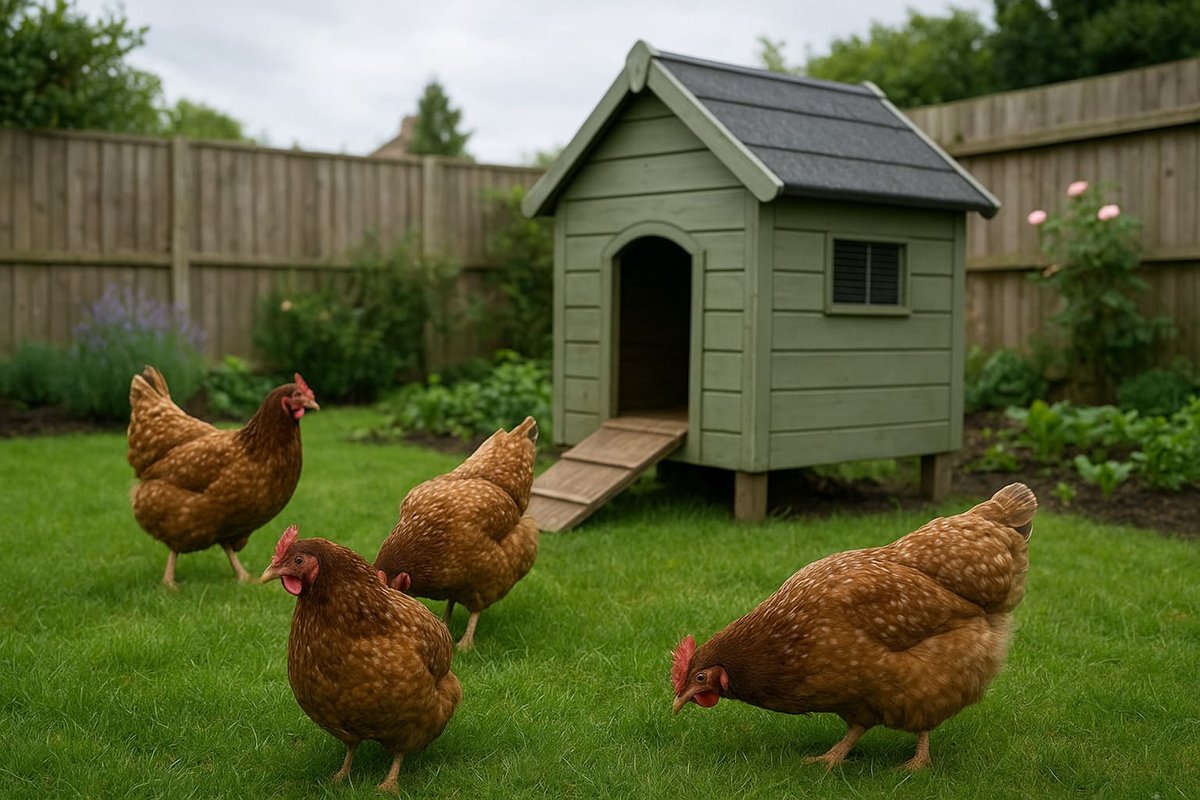
Hello! Are you dreaming of collecting fresh eggs from your own garden? There is nothing quite like the feeling of walking out on a chilly morning to find a warm, freshly laid egg. Keeping chickens in the UK is a wonderful, rewarding hobby, and I have learned so much from my own little flock. It is a joy to watch them potter about, and they bring so much life to the garden.
But when you first start, the rules can seem a bit much. You read conflicting information online, hear horror stories about bird flu, registration, and neighbours complaining. It is easy to feel overwhelmed and put off before you have even bought a coop.
This guide is here to cut through the noise. I have written it for regular folks in the UK, whether you have got a small garden, an allotment, or even a council house. We will walk through all the important 2026 rules in simple, everyday English. No confusing jargon, just the facts you need to start your hobby with confidence.
I have double-checked everything with the latest information from official places like GOV.UK, DEFRA (that is the Department for Environment, Food and Rural Affairs), and chicken welfare experts like the British Hen Welfare Trust. This is a responsibility, but it is a manageable one.
We will cover everything from the new registration rules to the laws on keeping chickens in back gardens UK, and even the “secret” to making sure you never attract rats. Ready to get started? First decide whether to start with chicks or adult hens, as both have pros and cons for UK keepers. Let us go!
What Are the Rules for Keeping Chickens in the UK in 2026?
This is the first question most new keepers ask. The rules have changed significantly since late 2025, and staying informed is essential for protecting your flock.
The biggest ongoing requirement remains registration: everyone who keeps even one bird must register with DEFRA. Before October 2024, the rule was only for flocks of 50 or more, so this was a significant change for backyard keepers. We will cover how to do that in a minute.
Critical Update: Bird Flu Housing Order Currently in Effect
This is the most important update for 2026. Unlike earlier in 2025 when restrictions were relaxed, the situation has changed significantly.
According to GOV.UK announcements, the UK Chief Veterinary Officer declared a mandatory housing order covering the whole of England from 00:01 on Thursday 6 November 2025. This followed an escalating number of avian influenza confirmations in both kept and wild birds. Wales followed with mandatory housing measures from 13 November 2025.
What this means for you:
- If you keep more than 50 birds, you must house them indoors or in a fully covered, netted structure
- If you sell or give away eggs, you must house your birds regardless of flock size
- If you keep fewer than 50 birds and eggs are for your own use only, housing is not mandatory, but enhanced biosecurity measures are legally required
The British Hen Welfare Trust confirms that hobby keepers with fewer than 50 birds who do not sell or give away eggs are not required to house their birds under the current order, though they must maintain high biosecurity levels.
Check your location: Bird keepers should check if they are in a bird flu disease zone using the official GOV.UK interactive map and read further advice on how to comply with the requirements.
Biosecurity is Still Law for Everyone
“Biosecurity” is just a fancy word for “keeping things clean to stop disease.” Whether or not you must house your birds, all bird keepers in the UK must, by law, follow enhanced biosecurity measures. This is non-negotiable and a key part of being a responsible owner.
According to official DEFRA guidance, the current GB-wide Avian Influenza Prevention Zone requires all keepers, whether they have pet birds, commercial flocks, or just a few birds in a backyard flock, to undertake enhanced biosecurity measures.
A Practical Biosecurity Checklist for 2026
This is not just for big farms. These simple steps are the best way to protect your flock and are a legal requirement for all backyard poultry UK owners. For larger flocks or detailed planning, see our complete biosecurity plan guide.
Clean Your Boots: Keep a separate pair of “chicken wellies” that you only wear in the chicken run. Keep a small bucket of DEFRA-approved disinfectant (like Virkon S) outside the run to dip your boots in before and after you go in. This stops you from treading in disease. GOV.UK specifically requires you to “cleanse and disinfect clothing, footwear, equipment and vehicles before and after contact with poultry.”
Move Feeders and Waterers: All food and water must be inside the run, preferably under cover. The official guidance states you must “keep feed and bedding inside.” Placing them in the open garden is a free buffet for wild birds (like pigeons and starlings) who can carry disease.
Net Your Run: Their main run area should be covered with netting on top. This stops wild birds from landing inside and contaminating their area. This is especially important during housing order periods.
Quarantine New Birds: If you get new hens, you must keep them completely separate from your existing flock for at least 2 to 3 weeks. This gives you time to spot any signs of illness before it can spread.
Clean and Disinfect Continuously: The official requirement states you must “thoroughly cleanse and disinfect housing and concrete walkways on a continuous basis” and “keep fresh disinfectant at the right concentration at all farm and poultry housing entry and exit points.”
Make Your Premises Unattractive to Wild Birds: Use bird scarers, foils, or streamers to discourage wild birds from visiting your chicken area.
Fence Off Water Sources: If you live near a pond or lake, keep your chickens fenced away from it. Wild ducks and geese are high-risk carriers of avian flu.
Keep Records: You must maintain records of movements of poultry and eggs on to and off premises, any medicinal treatment administered, mortalities, and measures put in place to control hazards.
| Requirement | What It Means | Who It Applies To |
|---|---|---|
| Housing Order | Birds must be kept indoors or fully covered | Keepers with 50+ birds OR those selling/giving away eggs |
| Enhanced Biosecurity | Disinfection, covered feed, wild bird exclusion | ALL bird keepers, regardless of flock size |
| Registration | Must register all birds with APHA | ALL bird keepers, even with just 1 bird |
| Record Keeping | Mandatory records of flock health, movements, treatments | ALL bird keepers |
Key Takeaway
The main rules for 2026 are:
- Registration: Still mandatory for everyone (even with 1 bird)
- Housing Order: Currently in effect for keepers with 50+ birds or those selling eggs
- Biosecurity: Legally required for ALL keepers. Keep things clean, cover your run, move feeders indoors, and protect your flock from wild bird contact
What Are the DEFRA Rules on Keeping Chickens?
When people talk about DEFRA rules on keeping chickens, they usually mean two things: registration (which we will get to next) and animal welfare.
Your main legal duty as a keeper comes from the Animal Welfare Act 2006. This law says you must give your chickens what they need to be healthy and happy. It is not just a suggestion; it is the law. It is often broken down into the “Five Freedoms.”
Looking Ahead: UK Government Animal Welfare Strategy
In a significant development for poultry welfare, the UK government announced plans in late 2025 to phase out colony cages for laying hens by 2030. According to Food Ingredients First, Environment Secretary Emma Reynolds launched an Animal Welfare Strategy that commits to eliminating confinement systems in the UK’s £1.7 billion retail egg market, where caged production currently represents 18% of supply.
This reform impacts more than seven million laying hens currently kept in highly confined spaces. The policy also promotes slow-growing meat chicken breeds to address welfare issues associated with fast-growing broilers, which can experience mobility problems and cardiovascular issues due to rapid growth rates.
For backyard keepers, this reinforces the importance of providing adequate space and allowing natural behaviours, something you are already doing by keeping hens in a garden setting rather than cages.
Let us look at what the Five Freedoms mean in real, practical terms for a backyard keeper.
1. Freedom from Hunger and Thirst
This means constant access to fresh, clean water and the right type of chicken feed.
Water: A chicken can drink up to 500ml of water a day (more in summer!). You must use a proper poultry drinker (not just a bowl they can poop in) and check it twice a day. During freezing weather, you will need strategies to keep chicken water from freezing.
Feed: Hens that are laying eggs need “layers pellets” or “layers mash.” This has the right balance of protein and calcium for them to stay healthy and form eggshells. Just feeding them mixed corn is not enough; corn is a treat, like giving a child only biscuits. See our comparison of the best UK poultry feed brands for recommendations.
2. A Suitable Environment
This means a safe, dry, and draught-free coop and a secure run.
The Coop: It must be waterproof and have ventilation (holes near the roof) but no draughts at perch level. UK weather means dampness is a constant challenge. Choose the best bedding for UK damp conditions to keep your coop healthy.
Space: They need enough space to move around. A good rule of thumb is at least 30cm of perch space per bird inside the coop and at least 1 square metre of run space per bird at a minimum. For detailed space planning, see our guide on how much space chickens really need. More is always better.
Protection: The coop must be safe from predators (like foxes). Check out our reviews of the best fox-proof chicken coops in the UK.
3. Freedom to Express Normal Behaviour
This is a big one. Chickens are not just egg-machines; they are complex birds. They need to be able to do “chicken things.”
Foraging: Scratching at the ground. This is why a bare mud run is so sad. Give them a patch of soil, some woodchips, or even a pile of leaves to scratch through. Learn how to encourage natural foraging in chickens.
Dust Bathing: This is how they wash. They must have a patch of dry, crumbly soil or sand (you can put this in a cat litter tray or old tyre) to fluff up in. This is essential for controlling mites. If you get an infestation, read our UK guide on getting rid of red mites in wooden coops.
Perching: Chickens feel safe sleeping up high. Your coop must have rounded-edge perches for them to roost on at night. Learn about proper roosting bar height.
4. Freedom to be Housed With (or Apart from) Other Animals
Chickens are flock birds. They get lonely and stressed on their own. You should never keep a single chicken. A flock of three is the best minimum number. This also means you must protect them from being bullied by other pets, like a boisterous dog. If you have pecking issues, read our guide on stopping bully hens.
5. Freedom from Pain, Suffering, Injury, and Disease
You must check your chickens every day. Watch them. Do they all run out for treats? Is one sitting puffed-up in a corner? You are legally responsible for spotting illness and getting them care. Learn how to do a proper chicken health check in under 5 minutes.
This can mean contacting a vet. (Note: Not all vets treat chickens, so it is a good idea to find a local “poultry vet” before you have a problem). Learn about when to call the vet for a backyard chicken. This also includes your legal duty to follow biosecurity measures to prevent avian flu.
Here is a simple breakdown of your main legal duties:
| Your Legal Duty | What It Means in Simple Terms | Official Source |
|---|---|---|
| Welfare | You must provide food, water, shelter, space, and vet care | Animal Welfare Act 2006 |
| Registration | You must register your flock (even 1 bird) with the APHA (part of DEFRA) | Poultry Registration Regulations 2024 |
| Biosecurity | You must take steps to stop diseases (like avian flu) from spreading | Avian Influenza (Preventive Measures) Regulations |
| Feeding | You must not feed them kitchen scraps | Animal By-Products Regulations |
Key Takeaway
Your main job under DEFRA’s rules is to follow the Animal Welfare Act 2006. This means giving your chickens proper food, water, a safe coop, and the space and freedom to act like chickens. The upcoming 2030 cage ban reinforces how important welfare standards are to the UK government.
Do I Have to Register My Chickens with DEFRA? How to Do It Online
This is the big one. The answer is short and simple: Yes, you do.
Before October 2024, you only had to register if you had 50 or more birds. This has now changed permanently.
How Many Chickens Can You Have Without Registering?
In 2026, you cannot have any chickens without registering. The limit is zero.
According to GOV.UK guidance, you must register within one month of keeping poultry or other captive birds at any premises in England or Wales. This includes any birds you keep as pets.
The rule is: If you keep one or more poultry birds in the UK, you must register them. This includes pet chickens, “rescue” hens, ducks, geese, and quail. This applies to you even if you just have two hens in a small Eglu coop in your garden.
Why Do I Have to Register My Chickens UK?
It is all about disease control. When there is an outbreak of a serious disease like avian flu, the APHA (Animal and Plant Health Agency), which is part of DEFRA, needs to know where all the birds are. This lets them contact you quickly with alerts, biosecurity rules, or to check for disease.
According to the National Farmers’ Union, this change followed a long-standing ask dating back to 2017 for the government to urgently review the GB poultry register. The threshold reduction from 50 birds to 1 means all poultry and captive bird keepers are now legally required to register their birds. The NFU was pleased to see Defra and the devolved governments taking steps to improve the accuracy and the relevance of the information it holds on poultry keepers of all scales and sizes. These changes should help the government communicate important information to all poultry keepers in a more timely manner, which in turn will help protect the health of the national flock.
This is not about “spying” on pet owners. It is to create a map to stop a disease from wiping out flocks, including your own. It is the single best way to protect all birds, and it is your part of the national effort.
How to DEFRA Register Chickens (UK Poultry Register Online)
Do not worry, this is not a test, and it is surprisingly easy.
- It is 100% FREE if you have fewer than 50 birds
- It takes about 10 minutes online
Here are the steps for keepers in England and Wales:
- Go to the official GOV.UK website. You can search for “register poultry” or use the direct link to the official GOV.UK poultry register.
- Fill out the online form. You will need:
- Your name and address
- The location where you keep the birds (if it is different, like an allotment)
- The species you keep (e.g., chickens)
- How many you have (a rough idea is fine)
- Why you keep them (e.g., “as pets” or “for eggs for the family”)
- Submit the form. You will get a confirmation and a registration number, which is often called a CPH number (County Parish Holding). This number is just a code for the land where the birds are kept. Keep this number safe.
- Update it annually. This is critical. According to GOV.UK, you must confirm your details and the details of the birds you keep to APHA every 12 months. If your details or the details of birds you keep have changed, you must tell APHA within 30 days.
For keepers in Scotland: You must register using the Scottish system. Visit the Scottish Kept Bird Register to complete your registration.
For keepers in Northern Ireland: The rules are the same (register even one bird), but you register with DAERA (Department of Agriculture, Environment and Rural Affairs) instead.
Need Help with Registration?
If you have questions or need assistance with the registration process, APHA can be contacted by telephone on 03000 200 301. Lines are open 08:30 to 17:00 Monday to Friday. You can also email [email protected].
Exceptions to Registration
According to legal guidance from Battens Solicitors, there are specific exceptions for certain bird species, namely psittaciformes and passeriformes. These include popular pet birds such as budgies, parrots, cockatiels, and finches. If these birds are kept entirely indoors with no access to the open air, they do not need to be registered. However, if they have any access to the outside world, registration becomes mandatory.
What If I Do Not Register?
If you do not register, you could be fined. The government takes this very seriously, with fines running up to £5,000. But more importantly, you would be putting your flock and your neighbours’ flocks at risk. You will not receive the vital disease alerts that tell you when to take emergency precautions.
According to GOV.UK: “You’re breaking the law if you do not register.”
Once you have registered, avoid these common mistakes new chicken keepers make that can lead to problems down the line.
Key Takeaway
Yes, you must register your chickens with DEFRA, even if you only have one. It is free, takes 10 minutes on the GOV.UK website, and is a legal requirement to help stop bird flu. You must also update your details once a year.
Do I Need Insurance for Keeping Chickens in the UK?
This is a question many British households overlook when starting their flock, but it is worth considering before you bring your first hens home.
Public Liability Insurance
If your chickens escape and cause damage to a neighbour’s property, or if someone is injured on your land visiting your chickens, you could be held legally liable. Some keepers choose to protect themselves financially by having public liability coverage in place.
Standard home insurance policies in the UK often exclude livestock, including chickens. This means if your hens damage a neighbour’s garden, dig up their prize roses, or if a visitor trips over equipment in your chicken area, you may not be covered.
What Insurance Options Exist?
Specialist Poultry Insurance: Several UK insurance providers offer policies specifically designed for backyard poultry keepers. These typically cover:
- Public liability (often £1 million to £5 million)
- Theft of birds
- Death from accident or illness
- Veterinary fees
- Loss of eggs
Home Insurance Extensions: Some UK home insurance providers will add poultry coverage to your existing policy for an additional premium. It is worth calling your current provider to ask.
Allotment Association Insurance: If you keep chickens on an allotment, check whether your allotment association has group public liability coverage that includes livestock.
Unexpected Veterinary Costs
Unlike cats and dogs, chickens are classified as “exotic” pets by most veterinary practices, which often means higher consultation fees. A single vet visit for a poorly hen in England can cost £50 to £150, and specialist avian vets charge even more.
Some keepers choose to set aside a small emergency fund or consider whether pet insurance that covers poultry would provide peace of mind, particularly for those with pedigree or rare breed chickens that cost more to replace.
Key Takeaway
While insurance is not legally required for keeping chickens in the UK, many responsible British keepers choose to have some form of coverage in place to protect against neighbour disputes, injury claims, or unexpected veterinary costs. It is worth getting quotes from specialist providers before you start your flock.
Laws on Keeping Chickens in Back Gardens UK: How Many Chickens Can I Keep?
So, you are all set to register. Now, how many hens can you actually fit in your garden?
How Many Chickens Can You Keep in a Residential Area in the UK?
This surprises many people: there is no national law in the UK that sets a limit on the number of chickens you can keep.
However, that does not mean you can start a farm. Your limit is set by three other, much more important, things:
Council Rules (Nuisance Laws): This is the most important one. You cannot cause a “statutory nuisance.” This is a legal term from the Environmental Protection Act 1990. It means your chickens cannot cause bad smells, attract pests (like rats), or make unreasonable noise.
According to East Suffolk Council guidance, if they receive a complaint about noise, they are obliged by law to investigate it. If they are satisfied that the noise constitutes a statutory nuisance, an abatement notice will be served requiring you to stop the disturbance. If this is not complied with, you could face a maximum fine of £5,000 for domestic premises, or £20,000 for commercial and industrial premises.
Property Deeds (Covenants): Check the deeds to your house (the legal documents you got when you bought it). Some properties, especially newer housing estates, have rules called “restrictive covenants” that ban keeping livestock. This is a private rule tied to the house, and it overrules the council. Even if the council says it is fine, a covenant could stop you.
According to Bassetlaw District Council, it is advisable to check your property deeds or consult your landlord to make sure there are no covenants preventing the keeping of ‘livestock’.
Animal Welfare: You must have enough space for the number of birds you keep (as we covered in the “Five Freedoms”). A tiny garden with 10 hens is a welfare and nuisance nightmare waiting to happen.
So, What Is a Sensible Number?
For a typical small-to-medium UK back garden, most keepers find that 3 to 6 hens is a happy, manageable number. This gives you plenty of eggs (a good hen lays 5 to 6 a week in her prime) and is easy to keep clean. Learn more about how many chickens you need for your family size to get the right number of eggs.
The Golden Rule: DO NOT GET A COCKEREL (ROOSTER)
Hens are very quiet. They cluck gently. A cockerel, on the other hand, will crow loudly at all hours, starting before dawn.
According to East Suffolk Council guidance, you can keep the coop as dark as possible to minimise early morning crowing as a cockerel will crow when light enters the coop. The coop ceiling can also be lowered to prevent the cockerel throwing back its head and crowing. However, in practice, these measures rarely work well enough for residential areas.
This is the number one reason for neighbour complaints and will almost certainly get you into trouble with the council. You do not need one for your hens to lay eggs. To be an ideal neighbour, you can even choose from the quietest chicken breeds for backyards.
Key Takeaway
There is no national law on how many chickens you can keep. But your “real” limit is set by your council (nuisance laws) and your property deeds. For most, a small flock (3 to 6 hens) is best. And never keep a cockerel in a residential area.
Can I Keep Chickens in a Council House in the UK?
This is a great question, as many council tenants would love to keep a few hens.
Just like with garden-keepers, there is no single, UK-wide ban on keeping chickens in a council house or housing association property. It all comes down to your landlord.
You MUST Check Your Tenancy Agreement
Your tenancy agreement is your contract with the council or housing association. It will have a section on pets or animals.
- If it clearly says “no poultry” or “no livestock,” then I am afraid the answer is no
- If it is unclear or does not mention it, you must contact your housing officer and get written permission before you buy any birds
They will want to know:
- How many you plan to keep (again, 3 to 4 is a sensible number to ask for)
- Where you will put the coop
- How you will keep it clean and stop rats
As tenancy experts advise, always get permission in writing. A verbal ‘yes’ from a housing officer who leaves their job is no help to you. You need a paper or email trail.
What About Keeping Chickens on an Allotment?
This is a very common place to keep chickens. The rules are set by whoever owns the allotment, which is usually the local council or a private allotment association.
According to Omlet’s UK rules guide, under the 1950 Allotment Act you are allowed to keep hens on your allotment, as long as they are only for the use of the tenants and not used for business or profit. However, if your chickens are regarded as a nuisance or a health hazard, or their welfare is affected, they can be removed.
Check your allotment agreement:
- Most will have clear rules: cockerels are almost always banned
- There is often a maximum number of hens (e.g., 5 or 10)
- There will be strict rules on coop cleanliness and pest control
Key Takeaway
You might be able to keep chickens in a council house or on an allotment, but there is no guarantee. You must read your tenancy agreement or allotment rules and get written permission from your council or housing officer first.
What Does It Cost to Keep Chickens in the UK?
Understanding the true costs before you start helps you budget properly and avoid financial surprises. Many UK residents underestimate ongoing expenses.
Initial Setup Costs
| Item | Typical UK Price Range |
|---|---|
| Coop for 3 to 4 hens | £150 to £600 |
| Secure run or fencing | £100 to £400 |
| 3 point-of-lay hens | £45 to £90 (£15 to £30 each) |
| Feeder and drinker | £20 to £50 |
| Initial bedding and feed | £30 to £50 |
| Total startup | £345 to £1,190 |
Ongoing Monthly Costs
| Item | Typical Monthly Cost |
|---|---|
| Layers pellets (3 to 4 hens) | £15 to £25 |
| Bedding (wood shavings) | £10 to £15 |
| Treats and supplements | £5 to £10 |
| Red mite treatment/prevention | £5 to £10 |
| Total monthly | £35 to £60 |
Unexpected Costs to Budget For
British weather and the realities of chicken keeping mean you should also set aside funds for:
- Veterinary bills: £50 to £150 per visit (avian vets charge more)
- Coop repairs: UK winters are hard on wooden coops
- Predator-proofing upgrades: After a fox visit, many keepers invest in better security
- Replacement hens: Hens live 5 to 10 years but egg production drops after 2 to 3 years
For a detailed breakdown, see our guide on how much it costs to keep chickens in the UK.
Key Takeaway
Budget approximately £400 to £1,000 for initial setup costs and £35 to £60 per month for ongoing expenses. Setting aside an emergency fund for veterinary care is also sensible for UK keepers.
Why Is It Illegal to Feed Chickens Kitchen Scraps in the UK?
This is the one rule that catches most new keepers by surprise. It feels natural to give your hens leftover pasta or bread crusts, right?
Do not do it. It is illegal.
The law is very strict: you cannot feed any kitchen waste to your chickens. This is not “outdated info”; it is a critical biosecurity law that is still 100% in force in 2026.
Why Is This the Law?
This rule came in after the devastating Foot and Mouth Disease outbreak in 2001. That outbreak was linked to pigs being fed illegal kitchen waste.
The risk is “cross-contamination.” Even if you only feed your hens vegetable peelings, those peelings might have been cut on a board that also had raw meat on it. This tiny risk is enough to spread catastrophic diseases. This law is in place to protect all farm animals in the UK. The fine for breaking this rule is huge (up to £5,000 or even prison).
Let us be crystal clear:
FORBIDDEN FOODS (From your kitchen):
- Leftover vegetables
- Potato peelings
- Leftover salad
- Cooked pasta or rice
- Bread or toast crusts
- Meat or fish (absolutely not)
- Anything from your plate or that has been “in your kitchen”
The British Hen Welfare Trust confirms this applies even to vegan households, as the risk is cross-contamination.
APPROVED TREATS (Not from your kitchen):
- Commercial Feed: Their main diet must be a proper, shop-bought chicken feed (layers pellets or mash). See our comparison of the best UK poultry feed brands for recommendations
- Garden Greens: You can feed them greens from your garden (like weeds, kale, or cabbage) as long as they have never been in your kitchen
- Shop-bought treats: A handful of mixed corn (in the afternoon), mealworms, or sunflower seeds are fine in moderation
What about my compost bin? Officially, if your compost bin contains kitchen scraps, your chickens should not have access to it.
Key Takeaway
It is illegal to feed your chickens any food from your kitchen. This is to prevent serious animal diseases. Stick to proper commercial feed and approved treats that have not been in your kitchen.
Can You Let Chickens Roam Free in the UK in 2026?
We have got two different questions here, so let us answer both.
1. What About the Bird Flu Housing Restrictions?
As covered earlier, there is currently a mandatory housing order in effect for England (from 6 November 2025) and Wales (from 13 November 2025). However, this primarily affects:
- Keepers with 50 or more birds
- Keepers who sell or give away eggs
If you have fewer than 50 birds and keep eggs for your own use only, you do not have to house your birds under the current order. However, you must still follow all enhanced biosecurity measures.
According to the British Hen Welfare Trust’s bird flu guide, hobby keepers with fewer than 50 birds who do not sell or give away eggs are not required to house their birds, but there is a requirement to maintain high biosecurity levels to protect them.
2. Can You Just Let Chickens Roam Free in Your Garden?
Letting them “out” into your secure garden is fine when restrictions allow. Letting them “roam free” (out of your garden, down the street, or onto your neighbour’s property) is never okay.
The Dangers and Nuisance of Free Roaming:
- It is a Nuisance: Your neighbours will not be happy when your hens dig up their prize-winning flowers, dust-bathe in their borders, or poo on their patio. This is a fast-track to a complaint to the council
- It is Dangerous (Predators): Foxes are the #1 predator, and they hunt in broad daylight, even in cities. Letting your hens roam is an open invitation
- It is Dangerous (Poisons): You have no idea what your neighbours are using in their garden. Slug pellets, rat poison, and certain fertilisers are all deadly to chickens
- It is Your Responsibility: By law (Animal Welfare Act and nuisance laws), you are responsible for keeping your animals on your own property and safe from harm
What Does “Safe Ranging” Look Like?
Safe ranging means letting them out in an area that is securely fenced. For chickens, this means a fence that is:
- At least 6ft (1.8m) high to stop them from flying over. Learn how to stop chickens from flying over the fence
- Dug into the ground at least 1ft (30cm) or has a wire “skirt” pegged flat on the ground pointing outwards. This is to stop predators from digging under
A dedicated, large, walk-in chicken run (often with a net roof) is the best and safest solution for most people.
Key Takeaway
Check the current bird flu restrictions for your area. If you have fewer than 50 birds and keep eggs for personal use, you may let them into your secure garden, but you must follow all biosecurity rules. You cannot let them roam free outside your property. You must keep them in a securely fenced, predator-proof area.
Common Problems with Keeping Chickens UK: Rats, Noise, and Smell
Let us be honest. As a keeper, I can tell you that things can go wrong. These are the “big three” problems and how to solve them before they start.
“Will I Get Rats If I Keep Chickens?” (Pest Control)
Chickens themselves do not attract rats. Their food does.
Rats will turn up if you give them an easy, reliable, all-you-can-eat buffet. If you just scatter food on the ground or leave your feeder out overnight, you are basically sending them an invitation. This is the #1 mistake new keepers make.
How to Prevent Rats: An Ultimate Checklist
- Store Feed Securely: This is mandatory. Store all your chicken feed in a metal bin with a secure-fitting lid. Do not use plastic bags or plastic bins; rats will chew straight through them
- Get a Treadle Feeder: This is the best investment you will ever make. It is a metal box that only opens when a chicken stands on the platform. Rats are too light to open it
- Remove Food at Night: If you do not have a treadle feeder, you must bring the feeders indoors every single night before dusk
- Clean Up Spills: Do a quick check before dark and scoop up any spilled food
- Collect Eggs Daily: Rats love to steal and eat eggs
- Avoid Straw Floors: Do not use straw as flooring for the run. It gets wet and provides a perfect, warm nesting place for rats. Use woodchip instead
Follow these quick tips, or read our comprehensive guide to keeping rats out of your chicken coop for advanced prevention strategies.
“Are Chickens Noisy for Neighbours?” (Noise Control)
Hens are not noisy. They make a lovely, gentle clucking sound, which is usually quieter than a barking dog. The one exception is the “egg song,” a 10-minute proud cackle a hen does after laying an egg. It is brief and normal.
Cockerels (roosters) ARE noisy. They crow very loudly, starting around 4 AM. According to East Suffolk Council, they recommend keeping the coop as dark as possible to minimise early morning crowing, but this is rarely effective enough for residential areas.
This is the #1 cause of neighbour complaints chickens UK. Most councils will class a cockerel as a noise nuisance, and some ban them completely in residential areas.
Solution: Just keep hens. You do not need a cockerel to get eggs. If you want quiet breeds, check out our guide to the quietest chicken breeds for backyards.
“What About the Smell?” (Smell Control)
A well-kept coop does not smell bad. It should smell earthy, like straw and wood shavings. A coop only smells bad if it is left to get wet and dirty (from rain getting in) or if the droppings build up.
Solution:
- The “Poo Pick”: Do a quick “poo pick” every day. I use a cat litter scoop to get the worst of the droppings from the bedding. It takes 60 seconds
- The “Full Clean”: How often you do a full clean (replacing all bedding) depends on your setup. A small coop with 3 hens might need it weekly. Learn how to keep a chicken coop from smelling
- The “Deep Litter” Method: A great alternative for larger coops. You start with a deep (15cm) layer of wood shavings and “turn” it with a fork every few days, adding a fresh layer on top. The good bacteria break down the droppings, and it stays smell-free. You only clean it out once or twice a year. See our deep litter method guide
- Ensure Good Ventilation: Good airflow (without draughts) is key to keeping the coop dry and fresh. Avoid these coop ventilation mistakes
Key Takeaway
The main problems are 100% avoidable.
- Rats: Store feed in a metal bin and use a treadle feeder
- Noise: Do not get a cockerel
- Smell: Keep the coop dry and clean it regularly
Can I Report My Neighbour for Having Chickens?
What if you are on the other side of the fence?
You cannot report your neighbour simply for owning chickens. If they are following the rules, keeping a few quiet hens, and their coop is clean, they are doing nothing wrong.
However, you can report them if their chicken-keeping is causing a “statutory nuisance.” This has a specific legal meaning.
According to East Suffolk Council, in considering whether a statutory nuisance exists, they will consider the source, duration, time of day, effects and the type of noise and the character of the location.
It usually covers:
- Smell: A strong, foul odour from a filthy coop that stops you from enjoying your own garden
- Pests: A rat or fly infestation that is clearly coming from their property (e.g., from badly stored feed)
- Noise: Constant, loud noise. This almost always means they have a cockerel
What to Do if Your Neighbour’s Chickens are a Problem
- Talk to them first. This is always the best step. They might not even be aware of the problem. Try to be friendly. “Hi, I’m not sure if you know, but your cockerel has been crowing at 4 AM, and it’s waking us up.”
- Keep a diary. If talking does not work, your council’s Environmental Health team will ask for a log. Note down the dates and times of the nuisance (e.g., “Cockerel crowing: 4:15 AM to 5:30 AM, Jan 4th” or “Strong smell of ammonia: Jan 5th, 2 PM”).
- Contact the council. If the problem is a real nuisance and talking has failed, contact your local council’s Environmental Health Department. They are the only ones who can investigate a statutory nuisance.
Key Takeaway
You cannot report someone just for having chickens. But if the birds are causing a real problem with smell, rats, or noise (from a cockerel), talk to your neighbour first, then contact your council’s Environmental Health team.
Showing Your Chickens: What Are the Rules?
If you are thinking about showing your birds at fairs, markets, or poultry shows, there are additional regulations to be aware of.
According to GOV.UK, gatherings of poultry or captive birds at fairs, markets, shows, exhibitions or other events must be in accordance with any general licence issued by Defra. During periods of heightened bird flu risk (like the current prevention zone), these licences may be suspended or restricted.
Before entering any show:
- Check the current bird flu restrictions for your area
- Ensure your birds are registered
- Follow any quarantine requirements before and after the event
- Keep records of which birds attended and where
Transport Requirements
If you are transporting your birds to shows, there is good news for small-scale hobbyists. According to the regulations, transport records are not required for transport of poultry that does not take place in connection with an economic activity by farmers of their own birds and in their own means of transport for a distance of less than 50 km from their holding.
This means if you are taking your pet hens to a local show in your own car and not selling them commercially, you do not need to complete transport paperwork.
What Other UK Keepers Say (Social Proof)
Do not just take my word for it. Following these simple rules really does make life easier. Here is what some other small flock keepers from around the UK have said:
“I was really worried about registration, thought it would be a nightmare. I followed the link in this guide, and it honestly took me five minutes on the GOV.UK site. Such a relief! Now I know I’m all legal.” — Sarah, allotment keeper in Manchester
“My neighbour was complaining about rats before I even got my hens! I followed the advice here to the letter: metal feed bin, no food left out. Six months on, we’ve not seen a single rat, and my neighbour is happy (and even takes the odd egg!).” — David, backyard keeper in East Suffolk
“As a council tenant, I was 99% sure I wouldn’t be allowed hens. But this guide pushed me to actually ask for permission instead of just assuming. I sent my housing officer my plan (3 hens, secure coop, clean-up rota) and they approved it in writing! My kids are overjoyed.” — Chloe, council tenant in Wales
“The bird flu updates were really helpful. I had no idea about the housing order until I read this. Got my run properly netted and my biosecurity sorted before any problems. Also decided to look into insurance after reading about potential liability issues.” — Mark, backyard keeper in Yorkshire
Final Thoughts: Are Chickens Worth the Rules?
Absolutely, yes!
Keeping chickens in the UK is an amazing hobby. The rules might seem a lot to take in, but they are all very simple and based on common sense.
It all boils down to this:
- Register: Register your hens on the GOV.UK site (or the Scottish register if you are in Scotland). It is free and it is the law
- Stay Informed: Keep up with bird flu updates and follow current biosecurity requirements
- Be Clean: Follow biosecurity, keep the coop clean, and store food in a metal bin
- Be a Good Neighbour: Do not get a cockerel, and make sure your hens stay in your garden
- Budget Properly: Understand the true costs and consider whether insurance makes sense for your situation
If you do those things, you will have a happy, healthy flock and wonderful fresh eggs for years to come.
Your next steps are to make sure you have the right setup and the right birds. Check out our guides on the best fox-proof chicken coops UK and the best chickens for small gardens UK. For traditional options, explore our guide to traditional British chicken breeds.
Want to know how much it costs to keep chickens in the UK? We have a complete breakdown to help you budget for your new hobby. You can also check out our complete UK chicken supplies checklist to make sure you have everything you need.
Frequently Asked Questions
What is the bird flu situation in the UK in 2026?
As of November 2025, a mandatory housing order is in effect across England (from 6 November) and Wales (from 13 November) due to increased avian influenza cases in kept and wild birds. If you keep 50 or more birds, or if you sell or give away eggs, you must house your birds indoors or in a fully covered structure. All keepers, regardless of flock size, must follow enhanced biosecurity measures. Check the official GOV.UK bird flu page for the latest updates for your area.
What is the UK poultry register online?
This is the official GOV.UK website where all keepers must register their birds (even if you just have one). It is free for small flocks and takes about 10 minutes. You must also confirm your details annually. For England and Wales, use the GOV.UK register. For Scotland, use the Scottish Kept Bird Register.
Do I have to register my chickens UK?
Yes. As of October 2024, it is a legal requirement to register even one chicken with APHA (part of DEFRA). You are breaking the law if you do not register, and could face fines up to £5,000. If you need help, contact APHA on 03000 200 301 or email [email protected].
Are my rescue hens noisy for neighbours?
Hens are very quiet! As long as you do not have a cockerel (rooster), noise should not be a problem. The short “egg song” they sing after laying is normal and brief, typically lasting only a few minutes.
Do I need planning permission for a chicken coop?
Usually, no. In most of the UK, a chicken coop is a ‘temporary’ structure. According to Bassetlaw District Council, chicken coops and runs, depending on size, may require planning permission. As long as it is for your own use (not a business), is under 2.5 metres high, and is not placed in your front garden, it is typically covered by ‘permitted development’ rules. However, if you live in a listed building or want to build a very large, permanent structure, you should always check your local council’s planning portal first.
What happens if there is a bird flu outbreak near me?
You will receive alerts from APHA (which is why registration is so important). You may be required to house your birds indoors, increase biosecurity measures, or restrict bird movements. Follow all official guidance immediately to protect your flock and prevent spread of disease.
Do I need insurance to keep chickens in the UK?
Insurance is not legally required, but many UK keepers choose to have coverage for public liability, theft, veterinary bills, or accidental death. Standard home insurance policies often exclude livestock, so you may need specialist poultry insurance or a policy extension.

Oladepo Babatunde is the founder of ChickenStarter.com. He is a backyard chicken keeper and educator who specializes in helping beginners raise healthy flocks, particularly in warm climates. His expertise comes from years of hands-on experience building coops, treating common chicken ailments, and solving flock management issues. His own happy hens are a testament to his methods, laying 25-30 eggs weekly.