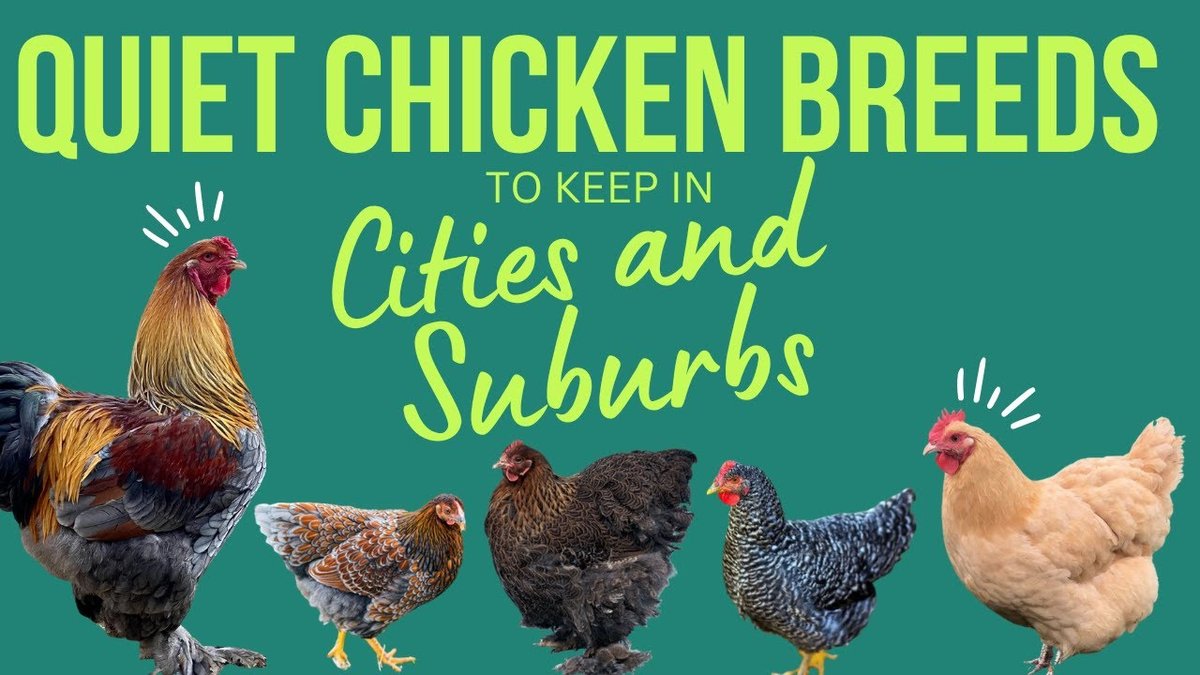
Last Tuesday, my neighbor Karen knocked on my door with a worried look. “Are those your chickens I hear every morning?” she asked. My heart sank until she added, “Because they’re so quiet, I’m thinking of getting some myself!” That moment confirmed what I had learned after three years of suburban chicken keeping: choosing the right breeds makes all the difference between harmony and HOA complaints.
The idea of keeping chickens can feel intimidating when you live in a city or close-knit neighborhood. You imagine clucking, cackling birds and your mind jumps to noise complaints and angry letters. But peaceful, laid-back chicken breeds exist that produce less noise than the mourning doves already nesting in your backyard oak tree. This guide covers everything I have learned about quiet breeds, noise management strategies, and keeping neighbors happy with your flock.
Now that you understand what this guide covers, let us start by examining why chickens vocalize in the first place, because understanding chicken communication is the foundation of effective noise management.
Understanding Backyard Chicken Noise Levels
Before selecting breeds, understanding why chickens vocalize helps you manage expectations and reduce unnecessary noise triggers. Research from poultry behaviorists shows chickens communicate through a complex language system with over 24 distinct vocalizations, not random sounds. I spent my first month as a chicken keeper convinced my hens were unhappy because they vocalized constantly, until I realized they were simply chatting with each other like coworkers at a water cooler.
Understanding these sound types will help you identify which noises are normal flock communication and which signal problems requiring intervention.
Why Chickens Make Noise: A Complete Breakdown
Natural Communication involves soft, steady clucking as hens chat with flockmates. This sound registers around 40 to 50 decibels, equivalent to a library conversation or a quiet refrigerator humming. My six hens produce a gentle background murmur while foraging that my neighbor describes as “surprisingly pleasant.” I actually find it therapeutic, like white noise that helps me relax while gardening. To put this in perspective, a whisper registers around 30 decibels, so content chickens are only slightly louder than a hushed conversation.
The Egg Song generates the most common neighbor complaints. This loud, excited series of cackles occurs immediately after a hen lays an egg. According to acoustic measurements shared by experienced keepers, a hen’s egg song registers approximately 60 to 70 decibels, comparable to normal human conversation or a running dishwasher. Some hens celebrate every single egg while others lay silently for weeks. My Australorp Betty rarely announces her eggs, but my Rhode Island Red Ginger performs a full concert after every laying session. I have timed her celebrations at up to 12 minutes of continuous cackling, which taught me that breed selection truly matters.
Alarm Calls produce piercing, high-pitched squawks when chickens spot potential threats like hawks, cats, or suspicious falling leaves. According to guidance from the Taft Public Library’s soundproofing guide, roosters and chickens produce two types of noise: impact noise (scratching, clawing) and airborne noise (crowing, alarm calls), with airborne sounds being the most pertinent to address. Apart from rooster crowing, alarm calls are probably the loudest sounds you will get from chickens. Reducing visual stressors through solid fencing and shrubs significantly decreases alarm call frequency. Last summer, I reduced my flock’s alarm calls by approximately 80% simply by planting a row of arborvitae along the fence line where neighborhood cats used to patrol.
Broody Growls come from hens determined to sit on eggs. This low, guttural noise warns you away from the nesting box. It is not loud but signals her protective mood. My Cochin hen Martha growls like a tiny velociraptor whenever I check for eggs under her, which always makes me laugh.
Rooster Crowing differs completely from hen vocalizations. A rooster’s crow reaches 90 to 130 decibels, equivalent to standing 50 feet from a jet taking off or standing next to a running lawnmower. Roosters crow multiple times daily, not just at dawn. According to soundproofing research from Soundproof Cow, roosters will react to outside light sources like porch lights, flashlights, and car headlights, starting to crow in response when light flashes their way. This is why most urban ordinances prohibit roosters entirely. Check your local chicken laws by state before considering a rooster.
This comparison table helps visualize how chicken sounds compare to everyday noises you already tolerate in your neighborhood.
| Sound Source | Decibel Level | Comparable To |
|---|---|---|
| Whisper | 30 dB | Rustling leaves |
| Quiet hen clucking | 40 to 50 dB | Library, refrigerator hum |
| Hen egg song | 60 to 70 dB | Normal conversation, dishwasher |
| Dog barking | 85 to 90 dB | Lawn mower at 10 feet |
| Rooster crow | 90 to 130 dB | Motorcycle, chainsaw |
With this foundation of chicken communication established, let us examine the environmental factors you can control to minimize unnecessary noise.
Factors That Influence Noise Levels
| Factor | Impact on Noise | Your Control Level |
|---|---|---|
| Breed genetics | Determines baseline vocalization tendency | High (choose quiet breeds) |
| Coop space | Cramped conditions increase stress vocalization | High (provide adequate space) |
| Predator presence | Triggers frequent alarm calls | High (secure your coop) |
| Flock size | More hens means more egg songs | Medium |
| Individual personality | Some birds are naturally louder | Low |
| Season and daylight | Spring increases vocalization | Low |
| Age of hens | Pullets often louder than mature hens | Low |
Genetics and temperament vary significantly between breeds. Some breeds produce naturally laid-back, introverted birds while others tend toward vocal, excitable personalities. I learned this the hard way when I added two Rhode Island Reds to my flock of quiet Orpingtons and immediately noticed a 40% increase in overall flock noise.
Environmental stress causes increased vocalization. My flock became noticeably louder during a week when a neighborhood cat started visiting until I predator-proofed the coop perimeter. The morning after I installed hardware cloth around the run base, the difference was remarkable.
Housing conditions directly affect noise output. You should provide 3 to 4 square feet of coop space per chicken and one nesting box per 4 to 5 hens to keep squabbling down at egg laying time. Reference our guide on how much space chickens really need for detailed calculations. An overcrowded coop produces unhappy, loud birds. When I upgraded from a 24 square foot coop to a 40 square foot coop for my six hens, the constant bickering sounds disappeared within 48 hours.
Seasonal variations affect noise levels throughout the year. Spring laying season brings increased egg song frequency as production ramps up. My flock is noticeably louder from March through June when they lay most frequently. Molting season (typically late summer to fall) often brings temporary quietness as hens focus energy on feather regrowth rather than egg production. Winter months tend to be the quietest overall, with shorter daylight reducing activity and laying.
Age-related changes also influence vocalization patterns. Young pullets approaching their first eggs (around 18 to 24 weeks) often become more vocal as their bodies prepare for laying. I have noticed my pullets “practice” their egg song for weeks before laying their first egg. Mature hens (2 to 4 years) typically settle into predictable, quieter patterns. Older hens (5+ years) often become the quietest flock members as laying decreases.
Now that you understand why chickens vocalize and what environmental factors affect noise, you are ready to learn about the specific breeds that naturally produce less sound.
The 16 Quietest Chicken Breeds for Urban and Suburban Backyards
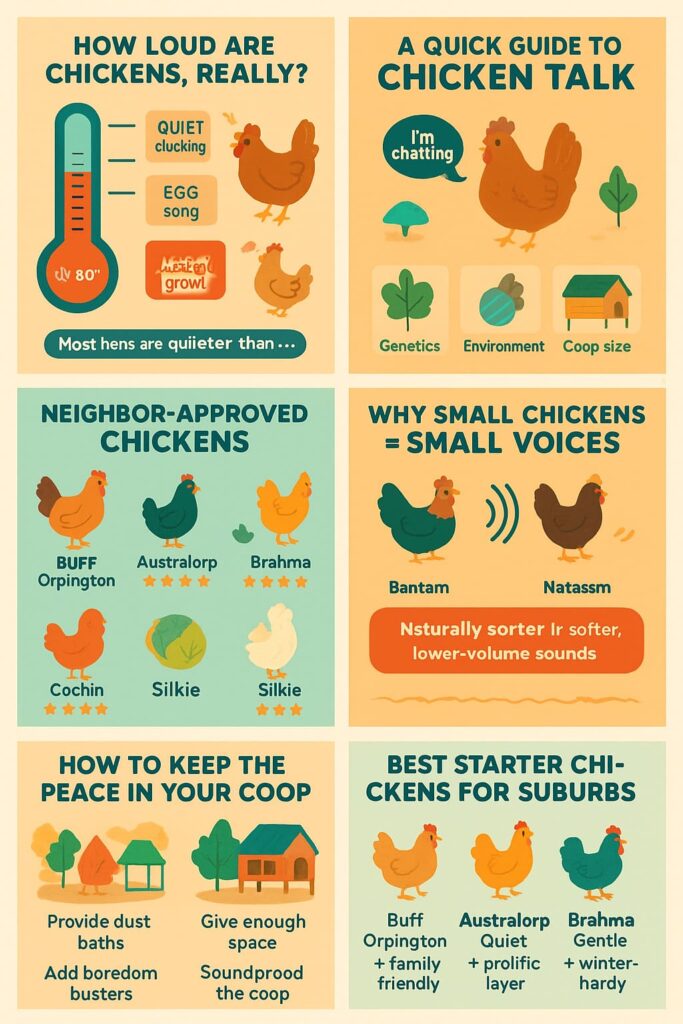
After keeping five different breeds personally and consulting with my chicken mentor (a retired poultry science professor who has kept chickens for 40 years), I have compiled this list based on real-world observations and documented breed characteristics. According to experienced keepers across multiple poultry forums, breed selection is one of the most important decisions you will make for a peaceful suburban flock.
Before diving into individual breeds, understanding what makes certain chickens quieter than others will help you evaluate any breed you encounter.
Key Traits of Quiet Chicken Breeds
Quiet breeds typically share these characteristics:
- Calm, docile temperament that reduces flock squabbling
- Heavier body types that make birds less flighty and excitable
- Lower volume egg songs with less dramatic post-laying celebrations
- Good maternal instincts that keep hens focused and settled
- Lower flightiness scores meaning less startle response to stimuli
I have noticed that my heaviest hens, the Brahmas and Orpingtons, barely make a sound compared to my lighter, more active breeds. The correlation between body weight and noise level became obvious after my second year of keeping chickens. My 10-pound Brahma Gertrude is virtually silent, while my 5-pound Easter Egger Clover announces every egg like she won the lottery.
The Bantam Advantage: Smaller Birds, Smaller Voices
Bantam breeds, miniature versions of standard chickens, naturally produce quieter vocalizations because of their smaller body size. A bantam’s cluck carries less power and volume than a full-sized hen’s call. If noise concerns you most, bantam varieties offer excellent solutions. My neighbor’s bantam Silkies are so quiet that she sometimes forgets they are in the backyard until she sees them wandering past the kitchen window.
Cost consideration: Bantams typically cost $5 to $15 per chick from hatcheries, compared to $3 to $8 for standard breeds. However, they eat approximately 50% less feed, offsetting the higher initial cost within the first year.
With these general principles in mind, let us examine each quiet breed in detail so you can make an informed selection for your specific situation.
1. Buff Orpington: The Quietest Backyard Chicken Breed
This English dual-purpose breed resembles a golden, feathered teddy bear. Orpingtons consistently rank as the quietest chicken breed across multiple sources and keeper experiences. According to the American Poultry Association breed standards, Orpingtons were developed for both meat and egg production with an emphasis on docile temperament.
Noise Level: 1 out of 5 (Extremely quiet) Egg Production: 180 to 200 large brown eggs annually Average Cost: $4 to $8 per chick, $25 to $40 per started pullet Temperament: Exceptionally docile, calm, and affectionate. They actively seek human interaction and tolerate handling extremely well. My friend’s Buff Orpington named Peaches lets children carry her around like a baby. I have personally watched Peaches fall asleep in a 7-year-old’s arms at a backyard birthday party.
Orpingtons are frequently described as “the golden retrievers of the chicken world” because of their friendly, loving nature. They rarely become aggressive toward flockmates and spend their days contentedly doing chicken activities. My Orpington Butterscotch follows me around the yard like a puppy and has never once made an alarm call in three years. Even her egg song is more of a quiet, satisfied “buk-buk-buk” than a triumphant announcement.
Climate Note: Their dense, fluffy feathers make them heat-sensitive. Ensure adequate shade and fresh water during summer months. In USDA zones 8 and higher, consider providing misters or frozen treats during heat waves. Learn more about Orpington care in our complete Buff Orpington guide.
2. Australorp: Quiet High-Production Laying Hen
These glossy black Australian birds hold the world record for egg production, with one hen laying 364 eggs in 365 days. You get exceptional productivity without sacrificing quietness. The Australorp was developed in Australia from Black Orpington stock, combining quiet temperament with superior laying ability.
Noise Level: 2 out of 5 (Very quiet) Egg Production: 250 to 300+ large tan eggs annually Average Cost: $3 to $6 per chick, $20 to $35 per started pullet Temperament: Calm, gentle, and peaceful. They have been described as “dignified” with a “sweet and shy personality.”
My Australorp Betty lays her daily egg around 10 AM with barely a peep, just a soft, satisfied “buk-buk” quieter than my coffee maker. She has produced 287 eggs this year according to my tracking notes, which I keep in a spreadsheet on my phone. I weigh each egg (averaging 62 grams for Betty) and note the time of laying because I am admittedly a chicken nerd. Australorps respond well to confined settings and are considered cold and heat tolerant, performing well in USDA zones 4 through 9.
Best Value Pick: The feed store old-timer in my town, who has kept chickens for 50 years, recommended them as “the best egg-laying chickens for noise restrictions,” and he was absolutely right. At approximately $0.15 per egg in feed costs and 250+ eggs annually, Australorps offer the best return on investment among quiet breeds. See our complete Australorp guide for detailed care information.
3. Barred Plymouth Rock: Quiet American Heritage Breed
This classic American heritage breed features beautiful black-and-white striped feathers. Barred Rocks are sturdy, friendly, and excellent dual-purpose birds known for their adaptability to various climates. They have been a foundation breed in American poultry since the 1860s.
Noise Level: 2 out of 5 (Very quiet) Egg Production: 200 to 250 large brown eggs annually, including through cold winter months Average Cost: $3 to $5 per chick, $18 to $30 per started pullet Temperament: Friendly, outgoing, and curious without being loud or flighty. They remain calm in most situations and are not easily spooked.
My first Barred Plymouth Rock named Penny followed me around the yard like a puppy. She was the most relaxed bird in my starter flock and would sit on my lap while I drank my morning coffee. Penny laid consistently for four years before slowing down, and even in her retirement she remains the quietest bird I have ever owned. Her egg song lasted maybe 30 seconds compared to my Rhode Island Red’s 12-minute productions.
Climate Note: Extremely cold-hardy, making them excellent for northern climates (USDA zones 3 through 7) where other breeds stop laying. They power through winter production when many breeds take breaks, giving you eggs when store prices peak.
4. Java: The Dignified Heritage Breed
One of America’s oldest chicken breeds, Javas display solid, upright builds and calm natures. The Livestock Conservancy lists them as a “threatened” heritage breed, making them an excellent choice for conservation-minded keepers who want to help preserve rare genetics.
Noise Level: 2 out of 5 (Very quiet) Egg Production: 150 to 200 medium to large brown eggs annually Average Cost: $8 to $15 per chick (higher due to rarity) Temperament: Quiet and gentle disposition. Their dignified personality makes them perfect for calm flocks.
Conservation Note: Very cold-hardy and excellent foragers. Their endangered status means finding quality stock requires research through heritage breed conservators and specialty hatcheries. I sourced my Java pullets from a heritage breed conservator in Vermont who shipped them overnight with exceptional care. Supporting heritage breed preservation benefits the broader poultry community and ensures these genetics survive for future generations.
5. Brahma: Quiet Large Breed for Cold Climates
These massive, fluffy chickens with feathered feet look like they are wearing fancy pants. Brahmas are famous for their placid nature and impressive size, often weighing 9 to 12 pounds. According to experienced keepers, larger, calmer breeds like Brahmas tend to be more cold-tolerant and less vocal than smaller, flightier breeds.
Noise Level: 1 out of 5 (Extremely quiet) Egg Production: 150 to 180 medium to large brown eggs annually, with their superpower being cold weather production from October through May Average Cost: $4 to $8 per chick, $25 to $45 per started pullet Temperament: Famously placid and easy-going. Their quiet nature makes them one of the most docile chickens available. They are great mothers known for their calm, tame personalities.
My Brahma hen Gertrude weighs nearly 10 pounds and moves through the yard like a dignified queen surveying her kingdom. She has never once made an alarm call, even when a hawk flew directly overhead. She simply looked up, blinked slowly, and went back to scratching for bugs.
Important Individual Variation Note: While Brahmas are generally extremely quiet, at least one experienced keeper on poultry forums reports their Light Brahmas are among their loudest birds, describing them as sounding “like geese.” This appears to be an outlier experience, but it illustrates that individual personality can override breed tendencies. When purchasing Brahmas, ask the breeder specifically about the vocalization levels of their breeding stock.
Climate Note: Their feathered feet require clean, well-drained runs to prevent foot health issues. They struggle in muddy conditions. Not recommended for humid subtropical climates (USDA zones 9 and higher) due to heat sensitivity. Review our complete Brahma guide for housing recommendations.
6. Nankin Bantam: The Tiny Broody
One of the oldest true bantam breeds (no larger version exists), Nankins are small, hardy birds with rich history dating back to the 1500s. Their miniature size makes vocalizations incredibly low-volume.
Noise Level: 1 out of 5 (Extremely quiet) Egg Production: Very few small tinted eggs annually (50 to 80). They are kept primarily as broody hens and pets rather than layers. Average Cost: $10 to $20 per chick (specialty breed pricing) Temperament: Docile and calm personalities. Excellent mothers that happily sit on eggs from any hen, making them valuable for natural hatching programs.
Practical Use: Their small size makes them more vulnerable to predators. Keep them in secure enclosures with half-inch hardware cloth protection. Many keepers use Nankins specifically to hatch eggs from other breeds that refuse to go broody.
7. Plymouth Rock Bantam: The Small but Mighty
The bantam version of the popular Barred Plymouth Rock maintains the same beautiful plumage and friendly nature in a smaller, quieter package.
Noise Level: 2 out of 5 (Very quiet) Egg Production: Good for their size, producing 150 to 180 small light brown eggs annually Average Cost: $5 to $10 per chick Temperament: Friendly, outgoing, and curious without being loud or flighty. Excellent for families and beginners in urban settings.
Space Advantage: Ideal for keepers who love the full-size Barred Rock appearance and personality but need a smaller, quieter bird for limited space. Bantams require only 2 to 3 square feet of coop space compared to 4 to 5 square feet for standard breeds.
8. Rosecomb Bantam: The Dapper Companion
This ornamental breed features large, showy rose combs and beautiful feathering. Rosecombs are kept primarily for their stunning appearance rather than production.
Noise Level: 2 out of 5 (Very quiet) Egg Production: Poor, offering only 50 to 80 small eggs annually Average Cost: $8 to $15 per chick Temperament: Generally quiet and docile despite occasional skittishness. Their small size ensures even alarm calls remain faint.
Climate Consideration: Their large combs can develop frostbite in cold climates (USDA zones 5 and below). Provide a well-insulated coop and apply petroleum jelly to combs during freezing temperatures.
9. Sebright Bantam: The Living Work of Art
True showstoppers with unique black or gold lacing on every feather, Sebrights are small, upright, and stunningly beautiful ornamental birds. According to personal accounts shared across poultry forums, Sebrights can be flighty and skittish, which is common behavior for the breed.
Noise Level: 2 out of 5 (Very quiet) Egg Production: Poor, producing only 60 to 80 small creamy white eggs annually Average Cost: $10 to $20 per chick Temperament: Generally quiet and calm but more active and skittish than some bantam breeds. Their small size keeps even excited vocalizations from carrying far.
Best For: Their striking appearance makes them favorites for enthusiasts wanting beautiful, quiet additions to mixed flocks or for poultry shows.
10. Wyandotte: Beautiful Dependable Quiet Layer
These stout, rose-combed birds come in numerous color varieties including silver laced, golden laced, blue laced red, and columbian. Wyandottes are hardy, docile, and reliable year-round layers loved for their beautiful appearance.
Noise Level: 2 out of 5 (Very quiet, with individual variation) Egg Production: 200 to 250 brown eggs annually Average Cost: $4 to $8 per chick, $25 to $40 for rare color varieties Temperament: Generally sweet and amiable. They are easygoing and hardy, described as a favorite among backyard chicken keepers. However, I will be honest: my Wyandotte Henrietta did not get the quiet memo and can get chatty, so individual variation exists. She talks to me constantly when I am in the yard, but her vocalizations are soft and conversational rather than loud and piercing.
Climate Note: Dense feathering and rose combs make them very cold-hardy, performing excellently in USDA zones 3 through 7. People love the different color varieties, with blue laced red Wyandottes being particularly stunning and commanding premium prices ($15 to $25 per chick). See our Wyandotte complete guide for variety comparisons.
11. Cochin: The Gentle Fluffball
These birds resemble feathered ottoman footstools with legs. Cochins are big, fluffy, and often kept primarily as pets because of their exceptional personalities. According to Pennsylvania State University Extension resources, Cochins and Orpingtons tend to be among the most docile breeds available.
Noise Level: 1 out of 5 (Extremely quiet) Egg Production: 150 to 180 small to medium eggs annually Average Cost: $5 to $10 per chick Temperament: Incredibly docile and gentle. They became popular as pet breeds because of their amazingly friendly personality. My very first chicken was a Cochin, and I do not think I ever heard her make a sound except contented clucks. She would sit in my lap for 30 minutes at a time while I read books in the backyard.
Broodiness Note: Famous for broodiness, meaning they want to sit on eggs constantly. If you want to hatch chicks naturally, Cochins make excellent surrogate mothers. If you want maximum egg production, their frequent broody periods (4 to 8 weeks at a time) can reduce annual yields significantly. Review our Cochin guide for broodiness management tips.
12. Sussex (Speckled Sussex): Active Explorer with Loud Egg Song
Active, curious English birds with beautiful speckled feathers. Sussex chickens are excellent dual-purpose foragers that will follow you around the yard.
Noise Level: 4 out of 5 (Moderate to loud, especially egg song) Egg Production: 200 to 250 large light brown eggs annually Average Cost: $4 to $7 per chick Temperament: Temperament varies between individuals. Some are calm and quiet while others can be more boisterous. They are friendly, curious, and confident.
Critical Warning: I originally rated Sussex chickens as moderately quiet (3 out of 5), but after researching keeper experiences more thoroughly, I must revise this assessment. Multiple experienced keepers across poultry forums specifically report rehoming their Speckled Sussex due to “hideous screeching” egg songs. One keeper described the sound as “like someone is murdering them” every time they lay. While their general demeanor is calm and friendly, their post-laying vocalizations can be extremely loud and persistent. If noise is your primary concern, Sussex chickens may not be the right choice despite their other wonderful qualities.
Best For: Rural properties, larger lots with distance from neighbors, or keepers who prioritize personality and foraging ability over noise levels. See our Speckled Sussex guide for climate management.
13. Silkie: The Ultimate Quiet Bantam Pet
These small, fluffy chickens with black skin and five toes look like Dr. Seuss characters. Silkies are beloved as pets for their sweet, docile nature and are often described as “the lapdogs of the chicken world.”
Noise Level: 1 out of 5 (Extremely quiet) Egg Production: 100 to 120 small cream-colored eggs annually. Do not get Silkies for eggs. Average Cost: $5 to $15 per chick, with show-quality birds commanding $30 to $50 Temperament: Incredibly sweet, docile, and gentle. Their soft clucking almost sounds like purring. According to experienced keepers, Silkies make excellent broody hens that will hatch eggs from other breeds.
Climate Warning: Their fluffy feathers are not waterproof, so they need dry coops in wet weather. They are also more cold-sensitive than standard breeds. As a small bantam breed, they are perfect for small backyards. Silkie rooster crows sound like someone stepped on a squeeze toy rather than a piercing shriek, making them the most neighbor-friendly rooster option where roosters are permitted.
14. Faverolles: The Quirky Gentleman
This charming French breed features fluffy beards, muffs, and five toes. Faverolles are gentle, quirky, and calm poultry originally developed in the Faverolles region of France.
Noise Level: 2 out of 5 (Very quiet, described as chatty but not loud) Egg Production: 180 to 200 medium brown eggs annually, even in cold weather Average Cost: $5 to $10 per chick Temperament: Very docile with quiet, peaceful natures. They are friendly, calm, and excellent for families looking for unusual, serene chickens. Often described as clumsy but charming. My Faverolles hen Francoise trips over her own feet at least once a day, which never fails to make me smile. She makes quiet little commentary sounds throughout the day, but nothing that carries beyond our fence line.
Grooming Note: Their fluffy beards and muffs can get messy around feeders and waterers. Plan for occasional face cleaning, especially if using wet mash feeds.
15. Salmon Faverolles Bantam: The Mellow Miniature
A delightful bantam variety of Faverolles, these birds are particularly known for their gentle and mellow nature in an even smaller, quieter package.
Noise Level: 1 out of 5 (Extremely quiet) Egg Production: 150 to 180 small to medium brown eggs annually Average Cost: $8 to $15 per chick Temperament: Exceptionally quiet, friendly, and docile. Known for being good with children and serving as truly serene flock additions.
Best For: Their soft, quiet demeanor makes them one of the best choices for small urban yards where noise is a primary concern. Excellent starter breed for families with young children.
16. Delaware: Productive Layer with Loud Egg Song
This American heritage dual-purpose breed features beautiful white feathers with striking black barring on neck and tail. Originally bred as broiler chickens, they combine fast growth with friendly personalities.
Noise Level: 3 out of 5 (Quiet temperament, loud egg song) Egg Production: 200 to 280 large brown eggs annually Average Cost: $4 to $8 per chick Temperament: Generally calm and friendly birds. They are curious, love foraging, and are not typically flighty or aggressive.
Critical Nuance: Here is the key information: while Delawares are docile throughout the day, their post-laying egg song is often very loud and insistent. You get a calm bird with a dramatic “I laid an egg!” announcement that can last 5 to 15 minutes. This makes them better suited for larger properties or less noise-sensitive environments. If you want high production AND quiet, choose Australorps instead.
Now that you have a complete overview of quiet breeds, use this comparison table to quickly identify which breeds match your specific priorities.
Complete Quiet Breed Comparison Table
| Breed | Noise Level | Temperament | Annual Eggs | Climate | Coop Space | Avg Cost/Chick |
|---|---|---|---|---|---|---|
| Buff Orpington | 1/5 | Docile, calm | 180-200 | Heat-sensitive | 5-6 sq ft | $4-8 |
| Australorp | 2/5 | Calm, gentle | 250-300+ | Most climates | 5-6 sq ft | $3-6 |
| Barred Plymouth Rock | 2/5 | Friendly, curious | 200-250 | Cold-hardy | 5-6 sq ft | $3-5 |
| Java | 2/5 | Dignified, gentle | 150-200 | Cold-hardy | 4 sq ft | $8-15 |
| Brahma | 1/5 | Placid, gentle | 150-180 | Cold-hardy | 5-6 sq ft | $4-8 |
| Nankin Bantam | 1/5 | Docile, calm | 50-80 | Very hardy | 2-3 sq ft | $10-20 |
| Plymouth Rock Bantam | 2/5 | Friendly, curious | 150-180 | Cold-hardy | 2-3 sq ft | $5-10 |
| Rosecomb Bantam | 2/5 | Skittish, quiet | 50-80 | Cold-sensitive | 2-3 sq ft | $8-15 |
| Sebright Bantam | 2/5 | Active, quiet | 60-80 | Most climates | 2-3 sq ft | $10-20 |
| Wyandotte | 2/5 | Sweet, amiable | 200-250 | Cold-hardy | 4 sq ft | $4-8 |
| Cochin | 1/5 | Incredibly docile | 150-180 | Cold-hardy | 4 sq ft | $5-10 |
| Sussex | 4/5 | Active, curious | 200-250 | Hardy, adaptable | 5-6 sq ft | $4-7 |
| Silkie | 1/5 | Sweet, gentle | 100-120 | Cold/wet sensitive | 2-3 sq ft | $5-15 |
| Faverolles | 2/5 | Gentle, quirky | 180-200 | Cold-hardy | 4 sq ft | $5-10 |
| Salmon Faverolles Bantam | 1/5 | Exceptionally mellow | 150-180 | Cold-hardy | 2-3 sq ft | $8-15 |
| Delaware | 3/5 | Calm, friendly | 200-280 | Cold-hardy | 4 sq ft | $4-8 |
Before making your final decision, you should also understand which popular breeds might cause noise issues despite appearing on some quiet lists.
Breeds to Approach with Caution in Noise-Sensitive Areas
Some breeds appear on quiet lists due to calm temperaments but have specific vocalizations that contradict their overall peaceful nature. I learned this lesson the hard way and want to save you from the same mistakes.
Understanding these nuances will help you avoid breeds that seem quiet on paper but may cause problems in practice.
Easter Eggers and Ameraucanas
These colorful egg layers have calm, friendly dispositions as pets. However, their signature egg song can be a very loud, high-pitched shriek rather than a gentle celebration. According to numerous keeper reports across poultry forums, quite a few chicken keepers state their Easter Egger hens are the loudest birds they own. My Easter Egger Clover has a beautiful personality but an egg song that can be heard three houses away. I have measured her egg song at approximately 75 decibels using a smartphone app, which is louder than a vacuum cleaner. Review our Easter Egger guide and Ameraucana guide to understand these breeds fully before committing.
Rhode Island Reds
Conflicting information exists about Rhode Island Red temperament. While some sources describe them as quiet and include them on quiet lists, others find them boisterous and demanding. According to keeper surveys on poultry forums, Rhode Island Reds appear on both “quietest breed” and “loudest breed” lists depending on the source and individual birds. They can be fairly quiet when happy and feeling safe but their vocalizations tend toward more frequent and insistent than breeds like Orpingtons. My Rhode Island Red Ginger is the loudest hen in my flock by a significant margin, though her sister from the same hatch is noticeably quieter. This breed demonstrates why individual variation matters as much as breed tendencies.
Polish Chickens
While visually striking with their dramatic crests, Polish chickens can become anxious and noisier if they feel threatened because their crests obstruct vision. They do not respond well to confinement and need plenty of protected roaming room to stay calm and quiet. Regular crest trimming helps them see predators before panic sets in.
If you have the legal option and desire to keep a rooster, the next section covers which rooster breeds produce the least disruptive crowing.
The Quietest Rooster Breeds (Where Permitted)
Most urban areas prohibit roosters due to noise, but some rural and semi-rural locations allow them. Check your local chicken ordinances before considering a rooster. While no rooster is truly silent, some are significantly less boisterous than others. According to experienced keeper guidance, if you can handle the noise, roosters provide for and protect the hens while ensuring egg fertilization for self-sufficiency.
Understanding rooster behavior helps you decide whether one is right for your situation and how to manage crowing if you proceed.
Lavender Orpington Rooster
Based on my experience and reports from other keepers, Lavender Orpington roosters often produce significantly lower-volume crows than other breeds. Their crows sound more guttural and muffled rather than piercing shrieks. While crowing still occurs, it is often less frequent and carries less distance.
Temperament: Like their hen counterparts, roosters are exceptionally docile and gentle. They are not prone to aggression and integrate well into mixed flocks.
Appearance: Stunning soft gray-blue feathers make them beautiful additions to any flock.
Light Management: According to soundproofing research from Soundproof Cow, roosters will react to outside light such as porch lights, flashlights, and car lights, starting to crow in response when a light flashes their way. Shuttering coop windows at night or orienting windows away from outside light sources significantly reduces nighttime and early morning crowing.
Important Note: Even a quiet rooster remains a rooster. Their crowing is a normal daily behavior (typically 12 to 15 times per day), so consider your neighbors and coop placement carefully regardless of breed.
Bantam Roosters Generally
Bantam roosters of any breed produce lower-volume crows than their standard-sized counterparts simply due to smaller body size. A Silkie rooster’s crow sounds like a squeaky toy rather than the traditional loud cock-a-doodle-do. If you must have a rooster, choosing a bantam variety reduces noise significantly.
With breed selection covered, let us move on to the practical management strategies that can reduce noise from any flock.
Practical Noise Reduction Strategies
Choosing quiet breeds provides the foundation, but management practices significantly impact flock noise levels. According to noise reduction tips from Feeds’n Needs, combining proper coop design, routine management, and environmental controls creates the quietest possible flock.
Implementing these strategies in combination with quiet breed selection gives you the best chance of maintaining neighbor harmony.
Coop Design and Placement
Strategic coop positioning reduces how much sound reaches neighbors. Most chicken noise comes from inside or around the immediate coop area, so placement matters enormously. Place coops away from property lines and position any windows away from neighboring houses. A well-situated, properly designed coop goes a long way toward cutting noise. I moved my coop 30 feet further from my neighbor’s bedroom window and they immediately noticed the difference. The same noise level felt significantly less intrusive with the added distance.
Soundproofing your chicken coop can significantly reduce noise transmission to neighbors. According to comprehensive guidance from Soundproof Cow’s chicken coop guide, chicken coop soundproofing aims to trap as much sound as possible while still allowing ventilation so the chickens can breathe. There are two primary methods for containing noise:
Adding Mass: One of the best ways to prevent noise from escaping a chicken coop is to add more mass for the noise to travel through before it can reach anyone’s ears. According to the soundproofing guide, installing Mass Loaded Vinyl (MLV) barriers adds density to coop walls. MLV barriers reflect sound, meaning they contain soundwaves within the chicken coop. These flexible sheets can be installed using nails or adhesive. Just remember that your chickens will need ventilation, so do not cover every single crack. Instead, leave openings on the side of the coop that faces the fewest neighbors.
Insulating Surfaces: In addition to reflecting noise, you can soundproof a chicken coop by absorbing noise. Sound absorption works in conjunction with sound reflection to dampen the noise that reflective materials trap. According to the soundproofing guide, insulation addresses airborne noise by providing a thick layer that soaks up and disperses sound. Installing soundproofing insulation within coop walls provides effective sound absorption while preventing chickens from pecking at cotton-based materials. This insulation works double-duty to keep your brood warm during winter.
Practical Soundproofing Cost Breakdown:
| Material | Coverage | Approximate Cost |
|---|---|---|
| Mass Loaded Vinyl (1 lb/sq ft) | 100 sq ft roll | $150-200 |
| Soundproofing insulation | Per bag (covers 40 sq ft) | $40-60 |
| Window shutters (DIY) | Per window | $20-40 |
| Acoustic panels | Per 4-pack | $25-50 |
I added 1-inch foam board insulation to my coop walls last winter, and my neighbor commented that she could no longer hear the morning egg songs. The $80 investment paid for itself in neighbor goodwill.
Solid fencing and shrubs around the coop and run muffle sounds while also blocking visual triggers that cause alarm calls. According to soundproofing experts, in addition to muffling sound, a solid fence or line of shrubs helps block the view of things that might irritate or alarm your chickens. Landscaping may provide better sound reduction than coop modifications alone. My arborvitae hedge cost $200 for six plants but reduced perceived noise more effectively than $300 worth of coop modifications.
Light blocking prevents early morning crowing triggers. According to the Soundproof Cow guide, shuttering coop windows at night prevents porch lights or headlights from passing vehicles from triggering a round of crowing. Roosters (and some hens) will react to outside light and start vocalizing in response. An alternative is to orient coop windows away from outside light sources.
Environmental Management
Adequate space prevents stress vocalization. You should provide 3 to 4 square feet of coop space per chicken to ensure that everyone will be happy and healthy. Reference our chicken space requirements guide for detailed calculations. An overcrowded coop produces unhappy, loud birds. When I upgraded from a 24 square foot coop to a 40 square foot coop for my six hens, the constant bickering sounds disappeared within 48 hours.
Predator-proofing reduces alarm calls dramatically. A startled or attacked chicken is a very loud chicken. Use hardware cloth instead of chicken wire for run bottoms and windows because chicken wire only keeps chickens in, not predators out. Our predator-proofing guide covers complete security measures. Consider burying 12 inches of hardware cloth underground extending away from the run to prevent digging predators. According to experienced keeper reports, proper predator-proofing can eliminate alarm calls almost entirely, with some keepers reporting no break-ins in nearly 10 years after implementing comprehensive security.
Dust bathing areas promote contentment. One way to keep chickens quiet is providing a dust bath area in the run. Dust bathing relaxes chickens and reduces stress-related vocalization. Learn how to set up a proper dust bath using sand, wood ash, and dry dirt. My flock spends 30 to 45 minutes daily in their dust bath, and they are virtually silent during this time.
Avoid artificial lighting in early morning. Adding lights to promote winter laying may mean that your chickens are getting busy at 4 AM, which may not be desirable if you have neighbors nearby. If you are concerned about egg shortages without supplemental lighting, save up your eggs during the high-production months and preserve them with water glassing or refrigeration.
These environmental factors work together synergistically. Addressing all of them creates a cumulative noise reduction effect greater than addressing any single factor alone.
The Deep Litter Method for Quieter, Healthier Chickens
According to expert guidance from Lisa Steele featured on the Joe Gardener podcast, the deep litter technique involves placing bedding in the coop, then instead of cleaning it out each week, you turn it over and add more bedding material as needed. This creates in-place composting. Steele explains that she only cleans out the coop once or twice a year using this method.
The deep litter method offers noise-reduction benefits because:
- Healthier chickens are quieter chickens (studies show the microbes promoted by deep litter keep chickens healthier)
- The bedding generates heat, keeping chickens comfortable and less stressed in winter
- Less frequent cleaning means less disturbance to your flock’s routine
- Comfortable, healthy chickens have fewer reasons to vocalize complaints
According to Steele’s experience, temperatures inside her coop stay around 20 degrees warmer than outside thanks partly to the heat generated by the deep litter method. Comfortable chickens vocalize less from discomfort. I implemented deep litter three years ago and noticed both improved flock health and reduced stress-related vocalization within the first winter.
Flock Dynamics and Noise Management
Flock size affects overall noise levels in ways that are not always intuitive. A single hen may actually be louder than three or four hens because isolated chickens vocalize more from loneliness and stress. However, larger flocks (8+ hens) produce cumulative noise from multiple egg songs throughout the day. The sweet spot for noise management seems to be 4 to 6 hens, providing enough social interaction to keep birds calm while limiting the number of daily egg songs.
Adding or removing birds temporarily increases flock noise as the pecking order re-establishes. When I added two new pullets to my established flock last spring, noise levels increased approximately 50% for about two weeks before settling back down. Plan new additions during times when neighbors are most tolerant (not during their vacation or outdoor entertaining season).
Mixed-breed flocks can balance noise levels effectively. Pairing naturally quiet breeds (Orpingtons, Brahmas) with slightly more vocal but high-producing breeds (Australorps, Wyandottes) creates a flock where the quiet birds seem to model calm behavior for the others. My quietest overall flock consisted of two Buff Orpingtons, two Australorps, and two Brahmas.
Training Chickens to Reduce Vocalization
According to training guidance from Greneaux Gardens, if you have ever trained a dog, training chickens is very similar. Fill a spray bottle with water and every time the chicken starts to scream, tell it to stop and spray it with the water. The chicken will quickly learn which behavior is causing the undesired spraying and stop.
According to video documentation from Ken’s How To’s channel on YouTube, this method works effectively for many backyard flocks. The keeper demonstrates that after consistent training, chickens will quiet down simply when they see the spray bottle approaching, without actually needing to be sprayed. One keeper reports that after initial training, they usually do not even have to spray their chickens anymore; they can just spray in the chickens’ general direction and the birds quiet down.
For particularly stubborn screamers, Greneaux Gardens recommends a more intensive approach: “All you need with a strong-willed chicken is a couple of hours and a garden hose! Every time the yelling starts, spray the hose at the chicken. This has worked with even my most rambunctious chickens. An hour at the most is all you will need.” The article notes that chickens have short-term memory, so refresher training may occasionally be necessary.
My Experience with Training: I successfully trained my Rhode Island Red Ginger to shorten her egg song from 12 minutes to approximately 3 minutes using the spray bottle method. It took about a week of consistent reinforcement. She now looks at me when she starts her egg song, and a raised eyebrow from me is usually enough to get her to wrap it up quickly.
Alternative Training Method: According to a creative approach shared on backyard chicken forums, some keepers put a radio in the coop on a timer with great results. The chickens make noise in the afternoon sometimes but are usually very quiet in the mornings. The background noise seems to reduce their startle response to sudden sounds and mask minor noises that might otherwise trigger alarm calls.
Addressing underlying causes produces better long-term results than training alone. Chickens vocalize for reasons, so solving those reasons reduces noise more effectively than attempting to suppress natural communication.
Boredom Prevention
Bored chickens vocalize more frequently. Provide enrichment activities:
- Hanging cabbage heads for pecking entertainment (costs about $2 and lasts 2 to 3 days)
- Pumpkins and seasonal treats scattered in the run
- Chicken swings and perches at varying heights ($15 to $30 for commercial versions, free if DIY)
- Treat dispensers that encourage natural foraging behavior
- Logs and branches for climbing and exploring
- A dedicated “chicken garden” area with loose soil and plantings
According to gardening expert Lisa Steele featured on the Joe Gardener podcast, she planted a small garden near the coop just for her chickens, where they can take dust baths and forage all they like. This keeps them entertained and quiet. I implemented this same strategy by designating a 10 by 10 foot area near my coop as “chicken territory” with loose soil, scattered treats, and low shrubs for shade. My flock spends most of their active time in this area, happily occupied and making only soft contentment sounds.
Neighbor Relations
Striking up a conversation with neighbors before adding chickens makes all the difference. Let them know you have researched quiet breeds and noise management. Nearly all chicken noise except rooster crowing is quieter than a dog barking. A hen’s cluck only comes in at 60 decibels, which is equivalent to human conversation, while a dog’s bark comes in at 90 decibels.
According to forum discussions on BackYard Chickens, one creative way to acclimate neighbors to chicken noise involves making an “eggsong mix tape” using audio available on YouTube and playing it several times a day before getting chickens. This helps neighbors understand what to expect and realize the sounds are not as disruptive as they might imagine.
Consider offering fresh eggs periodically to maintain goodwill. A neighbor receiving free eggs rarely complains about occasional clucking. I bring a dozen eggs to each of my three closest neighbors every two weeks, and they have become enthusiastic supporters of my chicken-keeping hobby. The $3 worth of eggs per neighbor per month has prevented any noise complaints over three years.
Sample Neighbor Introduction Script: “Hi [Neighbor], I wanted to let you know I’m planning to get a small flock of backyard chickens. I’ve specifically chosen breeds known for being quiet, no roosters, and I’ve set up the coop on the far side of my yard. You might hear occasional soft clucking, similar to the doves we already have in the neighborhood. I’d love to share fresh eggs with you, and please let me know right away if you have any concerns.”
When a typically quiet chicken suddenly becomes loud, it often signals a problem that requires your attention.
Troubleshooting: When Quiet Breeds Become Loud
Even naturally quiet breeds can become vocal under certain circumstances. Understanding these triggers helps you address problems quickly before they become chronic.
Health-Related Noise Changes
Sudden increase in vocalization often indicates health problems. A hen in pain or discomfort will vocalize differently and more frequently than usual. Watch for:
- Egg binding (hen straining, making distressed sounds, possible prolapse visible)
- Respiratory infection (wheezing, open-mouth breathing with vocalization)
- Injury from predators or flock mates
- Internal parasites causing discomfort
- Crop issues (sour crop, impacted crop)
When my usually-silent Brahma Gertrude started making unusual sounds last fall, I discovered she had an impacted crop. Treating the issue resolved the vocalization within 24 hours. Reference our chicken health check guide for symptoms to monitor.
Environmental Triggers
New predators in the area cause increased alarm calls. If your previously quiet flock suddenly becomes vocal, check for:
- New neighborhood cats or dogs
- Hawk activity (more common during migration seasons)
- Rats or mice in the coop area
- Snakes (in warmer months)
- New construction noise startling birds
Temperature stress causes vocalization. Hens panting and vocalizing in summer heat need immediate cooling intervention. Hens huddled and vocal in winter cold need better coop insulation. Reference our guides on what to feed chickens during a heatwave and winterizing your chicken coop.
Flock Dynamic Changes
Bullying causes victims to vocalize distress. Check for:
- Missing feathers on backs or heads
- Hens avoiding the coop or run
- One hen being chased repeatedly
- Blood or wounds from pecking attacks
- Reduced egg production in bullied hens
Our guide on pecking order problems covers intervention strategies. When I noticed my Silkie being bullied last year, her distress calls increased dramatically until I separated her into a “safe zone” within the run using temporary fencing.
Resource competition triggers vocalization when feeders or waterers are insufficient. Provide at least one feeder and waterer per 4 to 6 hens, positioned in multiple locations so subordinate birds can eat without confrontation. Reference our guide on feeders and drinkers for backyard flocks for sizing calculations.
When to Seek Veterinary Help
Contact an avian veterinarian if vocalization changes accompany:
- Lethargy or reduced activity
- Changes in droppings (color, consistency, frequency)
- Respiratory symptoms (wheezing, discharge, open-mouth breathing)
- Sudden drop in egg production
- Weight loss or reduced appetite
- Visible injuries or swelling
Our guide on when to call the vet for a backyard chicken provides detailed symptom checklists.
Now that you understand how to troubleshoot noise issues, let us cover the essential legal and sourcing considerations before you purchase your flock.
Choosing Reputable Sources for Quiet Breeds
Where you get chickens matters as much as which breeds you select. Quality breeding stock from reputable sources produces birds with better temperaments and health.
Investing time in finding quality sources pays dividends in flock temperament and long-term satisfaction.
Questions to Ask Breeders and Hatcheries
- What is the temperament of your breeding stock?
- Do you select for calm, quiet personalities in your breeding program?
- What health guarantees do you provide?
- Can you provide references from previous customers?
- What is the return policy if birds have significant temperament issues?
A reputable breeder knows the personality traits of their lines and will honestly discuss breed characteristics. Healthy chickens from quality stock are happier and quieter than stressed birds from poor sources. Read reviews on poultry forums and local chicken groups before purchasing.
Local vs. Mail Order Considerations
| Source Type | Advantages | Disadvantages |
|---|---|---|
| Local breeder | See parent stock temperament, no shipping stress, local climate adaptation | Limited breed selection, may cost more |
| Feed store chicks | Convenient, often affordable, can select individuals | Unknown parentage, limited breed options, “hatchery quality” |
| Mail-order hatchery | Wide breed selection, health guarantees, scheduled delivery | Shipping stress, minimum order requirements, cannot select individuals |
| Hatching eggs | Access to rare breeds, lowest cost per bird | Requires incubator, uncertain hatch rates, unknown gender ratio |
According to experienced keeper reflections shared on poultry forums, chicks require careful attention during their first weeks, and some may develop issues like pasty butt that require immediate treatment. Healthy, well-cared-for chicks grow into calmer, quieter adults.
Cost Expectations by Breed
| Breed Category | Chick Price | Started Pullet (16-20 weeks) | Point-of-Lay Hen |
|---|---|---|---|
| Common quiet breeds (Orpington, Australorp, Plymouth Rock) | $3-8 | $18-35 | $25-45 |
| Specialty quiet breeds (Brahma, Cochin, Faverolles) | $5-12 | $25-45 | $35-60 |
| Bantam quiet breeds (Silkie, Nankin, Sebright) | $5-20 | $20-40 | $30-55 |
| Heritage/rare breeds (Java, heritage Wyandotte colors) | $8-25 | $35-60 | $50-80 |
With sourcing covered, you absolutely must verify your local regulations before bringing chickens home.
Legal Considerations Before Starting Your Flock
Disclaimer: Legal information provided here is for general guidance only. Consult your local municipal office and HOA for current, accurate regulations in your specific area.
Understanding and complying with local regulations prevents heartbreak and potential fines down the road.
Verify these requirements before purchasing chickens:
- Permit requirements: Many urban areas require chicken-keeping permits ($25 to $100 annually in most jurisdictions)
- Hen limits: Most cities restrict flock size, often to 4 to 6 hens
- Rooster prohibitions: The majority of urban ordinances ban roosters entirely due to noise
- Coop setback requirements: Rules often specify minimum distances from property lines (commonly 10 to 25 feet) and neighboring homes
- HOA restrictions: Homeowners associations frequently have stricter rules than municipal codes
Our chicken laws by state guide provides a starting point for researching your local regulations. Always verify current requirements with your municipal office before bringing chickens home.
According to experiences shared across poultry forums, one keeper had to rehome a Sebright that started crowing like a rooster because roosters were not permitted in their area. Knowing your local laws prevents heartbreak later. Another consideration: according to noise ordinance research, the only relevant ordinance in many areas prohibits animals from making persistent noise before 7 AM for multiple days in a row, which quiet breeds easily comply with.
Frequently Asked Questions
Are Australorp chickens quiet enough for urban areas?
Absolutely. According to keeper experiences shared on Flip Flop Ranch, Australorps have been described as peaceful and dignified with a sweet and shy personality. They are known as one of the quietest chicken breeds and rank among the best for suburbs and urban environments. According to Hobby Farms, Australorps are active but gentle, peaceful birds, and their tendency toward quietness serves as a bonus for urban farmers. They also produce upwards of 300 large tan eggs per year, making them ideal for noise-conscious keepers who still want productivity.
What are the best egg-laying chickens for noise restrictions?
You do not have to sacrifice egg production for quietness. According to The Happy Chicken Coop’s YouTube guide, the quietest chicken that lays the most eggs is the Rhode Island Red, though keeper experiences vary significantly with this breed. More consistently quiet high-producers include Buff Orpingtons (approximately 250 eggs annually according to the same source), Australorps (250 to 300+ eggs), and Barred Plymouth Rocks (200 to 280 eggs). According to Chicken Health Academy, Plymouth Rocks will give you around 280 eggs per year while remaining mellow and peaceful.
Which chicken breeds are least likely to disturb neighbors?
According to Chicken Health Academy, Lavender Orpingtons are “hands down, the quietest birds in our flock.” According to Flip Flop Ranch, Cochins are so quiet that the keeper states “I don’t think I ever heard her make sound in her entire life, except some contented clucks.” Buff Orpingtons, Brahmas, Silkies, and Cochins are consistently mentioned across multiple sources as least likely to cause neighbor complaints.
What is the friendliest quiet chicken breed?
According to The Happy Chicken Coop’s YouTube guide, the Orpington is the friendliest quiet chicken breed, often referred to as “the golden retrievers of the chicken world.” According to Flip Flop Ranch, “the Orpington, along with the Cochin, are probably the top two family chickens. Sweet, docile, friendly, love being handled, are quiet and best of all they are patient.”
Are Speckled Sussex chickens quiet?
This is where keeper experiences diverge significantly. According to Flip Flop Ranch, Sussex chickens are “quiet and friendly” and “confident and mellow.” However, according to Chicken Health Academy, “if you’re looking for a quiet chicken, do yourself a favor and keep walking when you see those Sussex chicks for sale.” According to keeper reports on Timber Creek Farmer, some owners love their quiet Speckled Sussex while others report loud egg songs. My recommendation: consider Sussex a moderate-risk choice for noise-sensitive areas.
Are Ameraucanas and Easter Eggers quiet?
No. According to Chicken Health Academy, “Ameraucanas are loud. They’re not as loud as the Sussexes (by a very thin margin) but they still make a lot more noise than other breeds.” According to keeper feedback compiled by Timber Creek Farmer, “quite a few stated that their Easter Egger hens were the loudest ones they owned.” If you want colorful eggs without the noise, consider Olive Eggers crossed with quieter breeds, though results vary.
How can I make my existing flock quieter?
Focus on reducing stress triggers: provide adequate coop space, secure the run from predators, offer enrichment activities to prevent boredom, and ensure comfortable temperatures. According to The Featherbrain, “bored chickens are noisy chickens” so providing more space or activities in their runs helps significantly. Insulate the coop to muffle the egg song, plant shrubs around the run to block visual stressors, and maintain a consistent routine.
Can I train chickens to be quieter?
Yes. According to Greneaux Gardens, “all you need for quiet, well-behaved backyard chickens is water! Fill a spray bottle with water and every time the chicken starts to scream, tell it to stop and spray it with the water. It will quickly learn which behavior is causing the undesired spraying, and stop!” According to video documentation from Ken’s How To’s channel on YouTube, after consistent training, chickens will quiet down simply when they see the spray bottle approaching, without actually needing to be sprayed.
How much daily time do chickens require?
On average you will spend about five minutes every morning and evening caring for your chickens, along with a little time once each week or two to clean the coop. The deep litter method reduces cleaning time significantly, with some keepers only cleaning the coop once or twice a year. Quiet breeds typically require the same time investment as louder breeds.
Are Rhode Island Reds quiet?
Keeper experiences vary dramatically. According to Chicken Health Academy, “Our Rhode Island Reds don’t cackle or sing an egg song at all. That said, The Happy Chicken Coop says that her Rhode Island Reds are loud. Again, every chicken has its own personality!” This breed demonstrates why individual variation matters as much as breed tendencies. If you want guaranteed quietness, choose Orpingtons or Australorps instead.
How do I acclimate neighbors to chicken noise before getting chickens?
According to creative advice shared on BackYard Chickens forum, “Make an eggsong mix ‘tape’, many versions available on YouTube. Play it several times a day” before getting chickens. This helps neighbors understand what to expect and realize the sounds are not as disruptive as they might imagine. Combine this with a friendly conversation and promise of fresh eggs.
Final Recommendations for Noise-Conscious Keepers
For beginners prioritizing quiet flocks, my three top recommendations based on both personal experience and consensus across keeper communities are:
- Buff Orpington for families wanting friendly, docile pets that produce respectable egg numbers. According to Chicken Health Academy, Lavender Orpingtons are “hands down, the quietest birds” in many flocks.
- Australorp for keepers wanting maximum egg production from a calm, quiet breed. According to Flip Flop Ranch, they are “peaceful and dignified” with excellent laying ability.
- Brahma for cold climates needing gentle giants that rarely vocalize. According to the same source, they are “great mothers known for their quiet and tame nature making them excellent pets.”
According to The Featherbrain, “the amount of noise your chickens make may vary drastically depending on breed, strain, and even individual.” Remember that while breed characteristics provide excellent guidance, every chicken has a unique personality. Spending time with your flock, providing stimulating environments, and being a thoughtful neighbor ensures a quiet, happy experience for everyone involved.
According to keeper wisdom shared on Timber Creek Farmer, “The neighbors’ dogs are still far louder though.” This perspective helps: even with occasional egg songs, your chickens will likely produce less noise disturbance than common neighborhood sounds like barking dogs, lawn mowers, or leaf blowers.
The satisfaction of collecting still-warm eggs from hens that your neighbors actually appreciate makes the research worthwhile. My neighbor Karen now has three Buff Orpingtons of her own, and we trade eggs and chicken-keeping tips over the fence every weekend. Her kids have named each hen, and she tells me keeping chickens has become her favorite hobby. That is the kind of quiet, peaceful backyard chicken experience this guide aims to help you create.

Oladepo Babatunde is the founder of ChickenStarter.com. He is a backyard chicken keeper and educator who specializes in helping beginners raise healthy flocks, particularly in warm climates. His expertise comes from years of hands-on experience building coops, treating common chicken ailments, and solving flock management issues. His own happy hens are a testament to his methods, laying 25-30 eggs weekly.