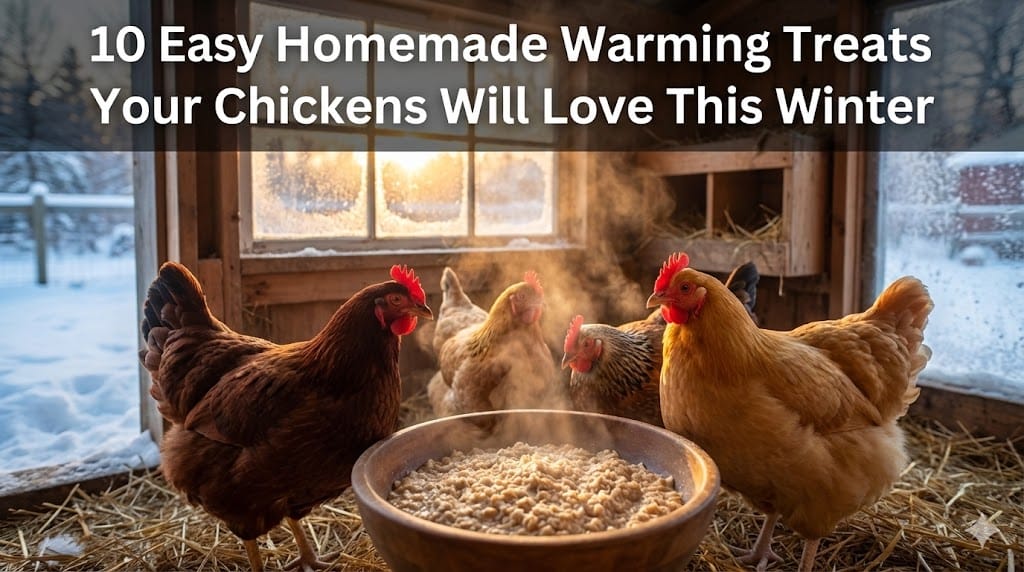
When temperatures drop below freezing and your backyard chickens huddle together in their coop, you might wonder what to feed chickens in winter to help them stay warm and healthy.
After raising mixed-breed flocks for 12 years—first battling -20°F wind chills in Iowa and now managing high-altitude cold in Colorado—I’ve learned through trial and error which winter feeding strategies actually work. I also learned which ones are just expensive mistakes that leave you with a messy coop.
As someone who has raised chickens through harsh winters across various climates and maintained a properly winterized chicken coop, I have discovered that the right homemade warming treats can make a significant difference in your flock’s comfort and well-being.
Here’s the rub: It isn’t just about giving them tasty snacks. It is about understanding how winter treats supplement your chickens’ complete feed while providing extra warmth through digestion. You want your flock to be cozy, not just full! Everything shared here follows current poultry nutrition guidelines (like those from the University of New Hampshire Extension) and prioritizes your chickens’ health and happiness above all else. For more comprehensive winter care strategies for your flock, including housing and health management, check out our complete guide.
Understanding the 90/10 Rule Before Making Winter Treats
Before we start mixing up oatmeal and molasses, we have to talk about the most important rule in chicken keeping: the 90/10 rule.
What Is the 90/10 Rule for Chickens and Why Does It Matter?
According to poultry nutrition research, the 90/10 rule ensures that 90% of a chicken’s diet comes from a balanced “complete feed” (layer pellets or crumbles). This complete feed provides all 38 essential nutrients they need to survive. To understand more about balanced chicken nutrition, read our comprehensive guide to feeding your chickens. The remaining 10% can come from treats, kitchen scraps, or supplements.
If you have laying hens, they eat approximately 0.25 pounds (about half a cup) of complete feed every single day. According to poultry nutritionist Patrick Biggs at Purina Animal Nutrition, this means treats should not exceed 2 tablespoons per bird, per day.
Following the optimal feeding schedule for backyard chickens helps ensure consistent nutrition throughout winter months. Chickens aren’t nutritionists—they eat what tastes good, not necessarily what they need. If they fill up on yummy treats, they will stop eating their healthy food. This can lead to:
- Weak eggshells.
- Poor feather quality.
- Vitamin deficiencies.
Overfeeding treats is one of the common first-time chicken keeper mistakes—stick to the 90/10 rule to avoid nutritional problems.
How Winter Treats Help: What Can I Feed My Chickens to Keep Them Warm?
You might be asking, “What can I feed my chickens to keep them warm in the winter?” The answer lies in how chickens digest food.
Chickens generate internal body heat through digestion. According to poultry digestion mechanics explained by university extension services, whole grains and fat-rich foods create more internal heat because they take longer to digest. This is often called the “thermic effect” of food.
Chickens need consistent access to complete feed to maintain their body temperature, especially when housed in a properly designed cold-weather chicken coop design.
What Is a Warm Snack for Chickens vs. Cold Treats?
It’s important to distinguish between temperature and effect. When we ask “what is a warm snack for chickens?“, we often mean two things: physically warm temperature (like hot oatmeal which transfers immediate heat) and metabolically warming (high calorie). Conversely, cold treats like frozen blocks or watermelon—which work brilliantly for what to feed chickens during a heatwave—can actually lower a bird’s core temperature in winter. You want to add heat to their system, not subtract it!
The Need for Protein
Protein for chickens in winter becomes especially important because cold stress increases protein usage. According to research from Grubbly Farms (grubblyfarms.com), cold stress increases protein usage as chickens work to maintain body temperature and basic metabolic functions, making supplemental protein crucial during winter months.
Protein isn’t the only critical nutrient—understanding calcium requirements for laying hens ensures strong eggshells year-round. You also need to learn whether chickens need grit or oyster shells to properly digest these protein-rich treats.
Winter often overlaps with late molting season nutrition needs, making protein supplementation doubly important.
Water Management: The Foundation of Winter Health
Hydration is just as important as nutrition. Even the best warming treats won’t help if your flock can’t digest them due to dehydration. Discover practical methods for preventing water from freezing without electricity during harsh winters.
For those with electricity, experts like Dakota Storage recommend heated waterers to ensure consistent access. Remember, snow is not a substitute for water; chickens expend too much body heat melting it. For more detailed tips on winter water management and ventilation, refer to Michigan State University Extension.
Traditional Winter Feeding: How Do Amish Keep Chickens Warm?
Many new chicken keepers look to traditional wisdom for answers. How do Amish keep chickens warm? Amish chicken keepers have used time-tested methods for generations. They rely on high-quality complete feeds, strategic timing of corn-based scratch grains, and deep bedding methods that generate natural heat through composting.
Their approach emphasizes simplicity and the 90/10 rule long before modern poultry nutrition codified it. They rarely use fancy heaters, relying instead on the bird’s natural biology and caloric density to maintain warmth.
The Deep Bedding Method
Deep litter management experts recommend a bedding depth of 6-12 inches to effectively insulate and generate heat. Experienced chicken keepers emphasize choosing the right litter (like large flake shavings vs. straw) to manage ammonia levels and maintain coop health. For a comprehensive comparison of hemp vs. straw vs. sand for chicken bedding, including winter-specific performance, see our detailed bedding guide.
Essential Equipment for Winter Treat Preparation
Before we jump into the recipes, having the right tools makes the process safer and cleaner. You don’t need a commercial kitchen, but a few key items will save you time and keep your feed fresh.
- Heated Water Bowls: Brands like Farm Innovators or K&H Pet Products offer heated bowls that prevent water from freezing.
- Digital Kitchen Scale: Since we are following the strict 90/10 rule, guessing measurements can lead to overfeeding.
- Heavy-Duty Treat Molds: For the suet and lard cakes, flexible silicone molds make removal easy. However, simple recycled tuna cans work well too.
- Metal Storage Bins: When buying bulk ingredients, plastic won’t cut it against rodents. Learn comprehensive strategies for how to keep rats out of your chicken coop to maintain biosecurity. Maintaining biosecurity against rodents is a key part of winter care, as outlined in the USDA APHIS Biosecurity Workbook.
These brand mentions (Farm Innovators, K&H Pet Products) are for informational purposes only and represent commonly available options, not paid endorsements.
Essential Equipment for Winter Chicken Care
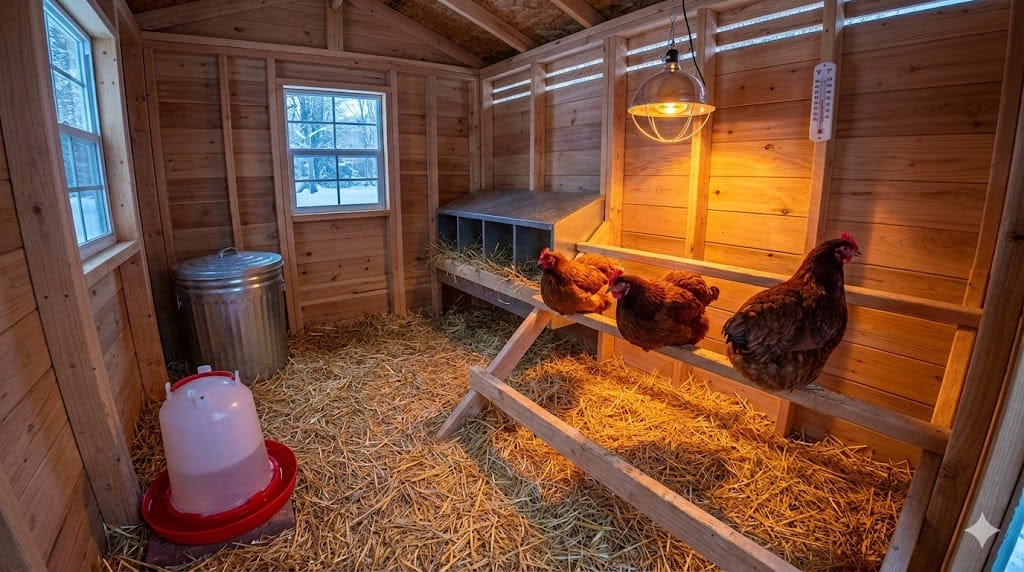
Beyond just treat preparation, keeping your flock safe through the freeze requires specific infrastructure. Investing in the right gear protects your birds and saves you from freezing fingers.
- Automatic Coop Doors for Winter: Investing in a reliable automatic door ensures your birds are locked up tight before the sun sets at 4 PM, protecting them from predators and drafts without you having to rush home. For comprehensive reviews of models rated for extreme temperatures, read our guide to popular automatic chicken coop doors to find the best option for your climate. Look for models explicitly rated for sub-zero operation to prevent battery failure in the cold.
- Coop Heating Options and Safety: While most cold-hardy breeds don’t need heat, radiant flat-panel heaters are the safest option if you live in extreme climates and must add warmth. For detailed heating strategies and when supplemental warmth is necessary, consult our comprehensive winterizing chicken coop guide. Avoid heat lamps at all costs—they are the leading cause of coop fires.
- Predator Protection in Snow: Snow accumulation effectively lowers your fence height for predators like foxes and raccoons. Ensure your run is fully enclosed with heavy-duty hardware cloth. Learn the critical differences in hardware cloth vs. chicken wire and why chicken wire fails to protect against determined predators.
- Best Feed Storage Solutions: Plastic storage bins often become brittle and crack in freezing temperatures. Switch to galvanized metal trash cans with locking lids to keep your expensive feed dry and rodent-free throughout the winter. Beyond storage bins, predator-proofing your entire coop with proper latches, buried hardware cloth, and secure feed areas creates a comprehensive defense system that protects both your flock and their food supply throughout winter.
For a comprehensive list of everything you’ll need for winter chicken keeping, including these equipment recommendations and more, see our complete UK chicken supplies checklist which covers universal winter essentials.
Best Treats for Chickens in Winter: 10 Easy Homemade Recipes
Before diving into the kitchen, use this quick comparison chart to find the perfect treat for your flock’s current needs.
| Treat Type | Prep Time | Best For | Protein Level | Cost |
|---|---|---|---|---|
| Oatmeal Mash | 5 min | Morning warmth | Low | $ |
| Energy Balls | 5 min | Quick energy | Medium | $$ |
| Baked Blocks | 45 min | Boredom busting | Medium | $ |
| Lard/Suet Cakes | 15 min* | Extreme cold | Low (High Fat) | $ |
| Hanging Cabbage | 5 min | Entertainment | Low | $ |
| Grub Scramble | 10 min | Molting/Growth | High | $$$ |
| Herb Block | 10 min* | Immune support | Low | $$ |
| Scratch Mix | 5 min | Evening warmth | Low | $ |
| Veggie Scramble | 10 min | Waste reduction | Medium | Free/$ |
| Berry Surprise | 5 min | Antioxidants | Low | Free |
*Requires freezing time.
Cost Analysis: Homemade Treats vs. Store-Bought Supplements
One of the biggest concerns for backyard chicken keepers is cost. Is it really cheaper to make your own treats, or should you just buy those convenient “flock blocks” at the farm store? Let’s break down the math.
The True Cost of Convenience
A standard commercial flock block typically costs between $14.00 and $20.00. While these blocks are convenient and last a long time, the price per pound is significantly higher than the raw ingredients.
Homemade Savings
When you make our Baked Winter Treat Block, here is what the cost looks like (based on average bulk feed store prices):
- 2 cups scratch grains: ~$0.50
- 1 cup layer feed: ~$0.20
- 1/2 cup molasses: ~$0.80
- Flour and water: <$0.10
- Total Cost: ~$1.60 per block
That is nearly 10 times cheaper than buying pre-made blocks!
Here are my favorite recipes to keep your flock happy and toasty.
Quick Warming Treats to Start Their Day
Warm Oatmeal Mash: A Cozy Morning Snack for Cold Days
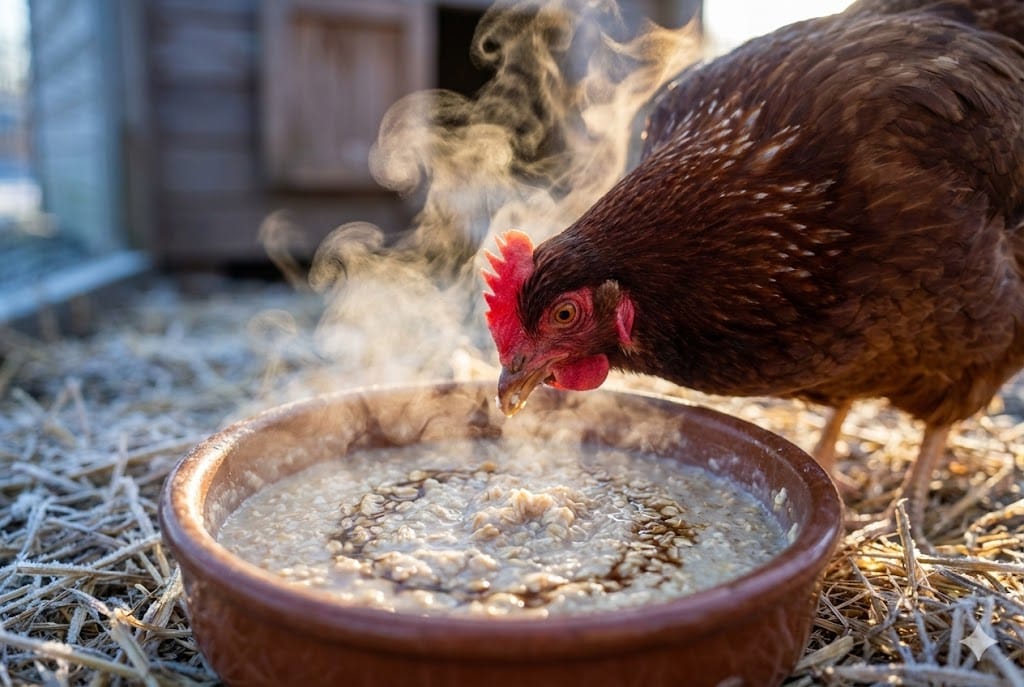
Nothing beats a warm breakfast on a frosty morning. This is one of the best ways to get hydration into your birds when waterers might be freezing up.
- Why it works: Oats are a complex carbohydrate that provides steady energy, and the warmth of the water helps raise their core temperature immediately.
- Ingredients:
- 1 cup rolled oats (avoid instant sugar packets)
- 2 cups warm water (not boiling)
- 1 tablespoon blackstrap molasses (for iron and potassium)
- Directions:
- Mix the oats and warm water in a bowl.
- Stir in the molasses until dissolved.
- Let it sit for 5 minutes until the oats soften and absorb the water.
- Feeding Guidelines: Serve immediately while warm. Allow about 1 tablespoon per chicken.
- A Personal Note: Last February, when we had that freak cold snap, I watched my Rhode Island Red hens fight over the oatmeal bowl like it was Thanksgiving dinner. That’s when I knew this recipe was a keeper.
- Storage: Make fresh daily; do not store.
Protein-Packed Grub Scramble
Protein for chickens in winter is essential for regrowing feathers after molting and staying warm. It also supports better winter egg production.
I stumbled on this combo by accident one evening when I ran out of their usual treats and raided my own pantry. I felt a bit guilty tossing them my dinner leftovers, but they went absolutely bonkers for it.
- Why it works: Black soldier fly larvae (brands like Grubblies) provide high-quality protein comparable to mealworms. According to Grubbly Farms research (grubblyfarms.com), these grubs contain good amounts of nutrients beyond just protein, making them particularly valuable during winter when natural foraging is impossible.
- Ingredients:
- 1 cup dried Black Soldier Fly Larvae (Grubblies)
- 1 cup warm cooked quinoa or rice
- 1 tablespoon olive oil
- Directions:
- Cook the quinoa or rice according to package instructions.
- While still warm, toss with olive oil.
- Mix in the dried larvae.
- Feeding Guidelines: 1-2 tablespoons per bird.
- Storage: Serve immediately.
Warm Veggie Scramble (Kitchen Scraps)
Don’t throw away those peelings! Before adding any kitchen scraps, always verify what chickens can eat from your kitchen to avoid toxic foods.
- Why it works: Utilizes waste, provides vitamins, and the warmth makes it palatable.
- Ingredients:
- Carrot peels, broccoli stalks, cooked potato skins (never green!)
- Leftover fall vegetables like squash and pumpkin make excellent additions—discover how can chickens eat pumpkins and other seasonal produce.
- 2 scrambled eggs (shells included, crushed)
- Directions:
- Chop vegetables into small, beak-sized pieces.
- Lightly steam or sauté them until soft.
- Mix with warm scrambled eggs.
Safety Note on Potatoes: Potato skins are safe only when fully cooked and show no green coloring. According to United Equity poultry specialists, green potatoes contain solanine, a toxin that can cause neurological damage in chickens. When in doubt, throw it out—the risk isn’t worth it.
- Feeding Guidelines: A great afternoon snack. Follow the 10% rule.
- Storage: Serve fresh.
Using Summer’s Bounty: Thawed Berry Surprise
Did you freeze berries in July? Now is the time to use them. Other fruits like bananas work well too—learn whether can chickens eat banana peels safely in our detailed guide.
I made the mistake in my first winter of serving frozen berries straight from the freezer. Big mistake. Watching them try to peck frozen blueberries was like watching me try to eat a jaw breaker—entertaining but ultimately frustrating for everyone involved.
- Why it works: Provides antioxidants and vitamins that are missing from dried winter feed.
- Ingredients:
- 1 cup frozen blueberries or strawberries
- 1/2 cup warm water
- Directions:
- Place frozen fruit in a bowl.
- Pour warm water over them to thaw them out rapidly. Never feed frozen blocks of ice in winter as it lowers their body temp!
- Drain the water (or use it to make oatmeal mash).
- Feeding Guidelines: A special treat for the coldest days.
- Storage: Keep berries frozen until use.
No-Bake Treats for Busy Chicken Keepers
Simple No-Bake Energy Balls
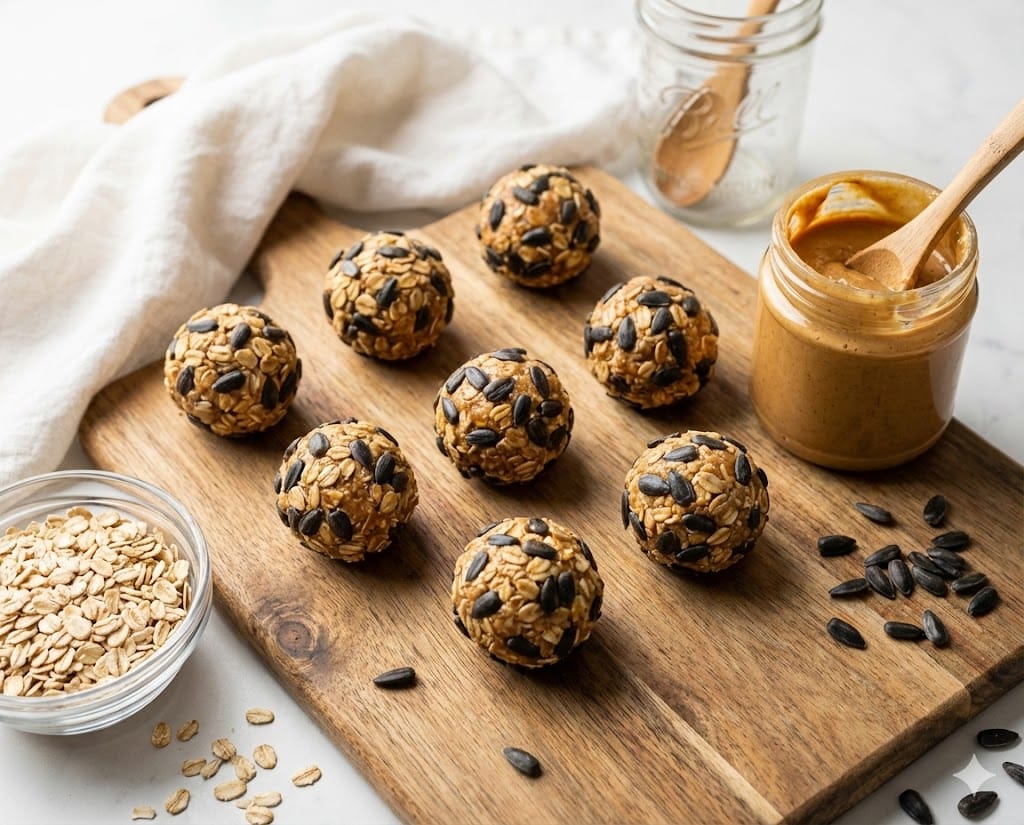
If you are looking for simple homemade treats for chickens that don’t require an oven, this is it. It takes about 5 minutes to make.
- Why it works: Peanut butter provides healthy fats for energy, while seeds offer protein.
- Ingredients:
- 1 cup high-quality natural peanut butter (no salt, no sugar, NO Xylitol)
- 2 cups rolled oats
- 1/2 cup Black Oil Sunflower Seeds (often called BOSS)
- Directions:
- In a large bowl, mix the peanut butter and oats.
- Knead with your hands until it forms a dough. If it’s too sticky, add more oats.
- Roll into small, ping-pong sized balls.
- Roll the balls in the black oil sunflower seeds to coat the outside.
- Feeding Guidelines: One ball for every 3-4 chickens.
- Storage: Store in an airtight container in the fridge for up to a week.
Immune-Boosting Herb Block
Y’all might think I’m crazy for suggesting garlic powder, but many old-timers in my area swear by it for immune support. Just don’t go overboard, or your eggs might taste like Italian takeout.
- Why it works: Herbs like oregano have natural antibacterial properties, which helps keep the flock healthy when they are cooped up in close quarters.
- Ingredients:
- 2 cups oats
- 1/2 cup water
- 2 tablespoons dried oregano
- 1 teaspoon cinnamon (supports respiratory health)
- 1 teaspoon garlic powder (supports immune system – use sparingly!)
- 1/4 cup coconut oil (melted)
- Directions:
- Mix dry ingredients.
- Stir in water and melted coconut oil.
- Press into molds and freeze to set (no baking required).
- Fair Warning: My first attempt at this flopped because I didn’t let it freeze long enough and it turned into a greasy puddle in the run. Give it time to set properly!
- Feeding Guidelines: Offer once a week as a health booster.
- Storage: Keep frozen or refrigerated.
Homemade Chicken Feed Supplement: Scratch Grain Mix
You can buy this at the store, but homemade chicken feed for winter mixes allow you to control the quality. Understanding the difference between complete feed and scratch grains is crucial for proper winter nutrition.
For those interested in complete DIY nutrition beyond treats, learn about making your own complete chicken feed year-round.
- Why it works: Corn acts as a “heating” food because it is harder to digest, keeping the metabolism running overnight.
- Ingredients:
- 4 cups cracked corn
- 2 cups whole wheat
- 1 cup Black Oil Sunflower Seeds
- Directions:
- Mix all ingredients in a large bucket.
- Feeding Guidelines: Toss a small handful into the coop bedding just before roosting time. This encourages them to go to bed with a full crop, generating heat all night.
- Storage: Store in a metal bin to keep mice out.
Baked Treats and Feed Blocks
Baked Winter Treat Blocks
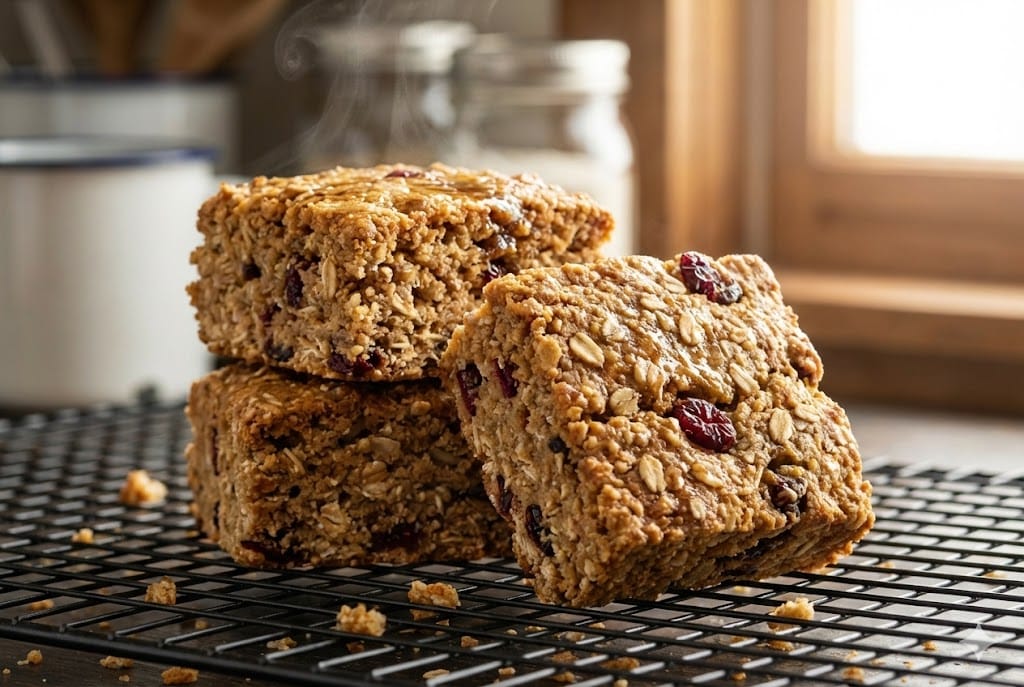
This is a great boredom buster. When chickens are stuck inside the coop due to snow, they can start pecking at each other. A solid block gives them something positive to peck at.
Start with these beginner-friendly homemade feed recipes if you want more control over nutrition.
- Why it works: The grains provide digestive heat, and the hardness of the block keeps them occupied.
- Ingredients:
- 2 cups scratch grains
- 1 cup layer feed
- 1/2 cup flour
- 1/2 cup molasses
- 1/2 cup water
- 1/2 cup dried cranberries (optional)
- Directions:
- Preheat oven to 325°F.
- Mix dry ingredients in one bowl and wet ingredients in another.
- Combine wet and dry mixtures. It should be sticky!
- Press firmly into a greased pie tin or muffin tin.
- Bake for 30 minutes. Let cool completely to harden.
- Feeding Guidelines: Place one block in the run for the flock to share. Remove after a few hours if not finished.
- Storage: Keep in a dry, cool place for up to 2 weeks.
High-Energy Fat-Based Treats for Extreme Cold
DIY Suet Cakes or Lard Cakes (Use Sparingly)
Fat is a crucial fuel source for warmth, but extreme caution is required. While often called suet cakes in wild bird feeding, these homemade versions use lard or tallow.
CRITICAL HEALTH WARNING: High-fat treats like lard or suet cakes should ONLY be offered during extreme cold (below 0°F/-18°C) and no more than once per week. Overfeeding fat-based treats can cause Fatty Liver Hemorrhagic Syndrome, a fatal condition in laying hens. Monitor your flock’s body condition closely; if you feel a soft, squishy pad on their abdomen, discontinue fat treats immediately.
- Why it works: Pure fat gives an immediate calorie boost which helps birds maintain body heat during sub-zero nights.
- Ingredients:
- 1 cup rendered lard or tallow (unsalted)
- 1 cup scratch grains
- 1/2 cup dried mealworms
- Directions:
- Melt the lard in a saucepan over low heat.
- Remove from heat and stir in grains and mealworms.
- Pour into a mold (like a tuna can or suet cage container).
- Freeze until solid.
- Feeding Guidelines: Strictly follow the warning above. 1 cake per 10 chickens.
- Storage: Keep in the freezer until ready to use.
Entertainment and Enrichment Treats
Enrichment isn’t just fun; it’s a critical component of animal welfare, meeting standards like those from the National Farm Animal Care Council to prevent aggressive behaviors like feather pecking.
Hanging Cabbage “Tetherball”
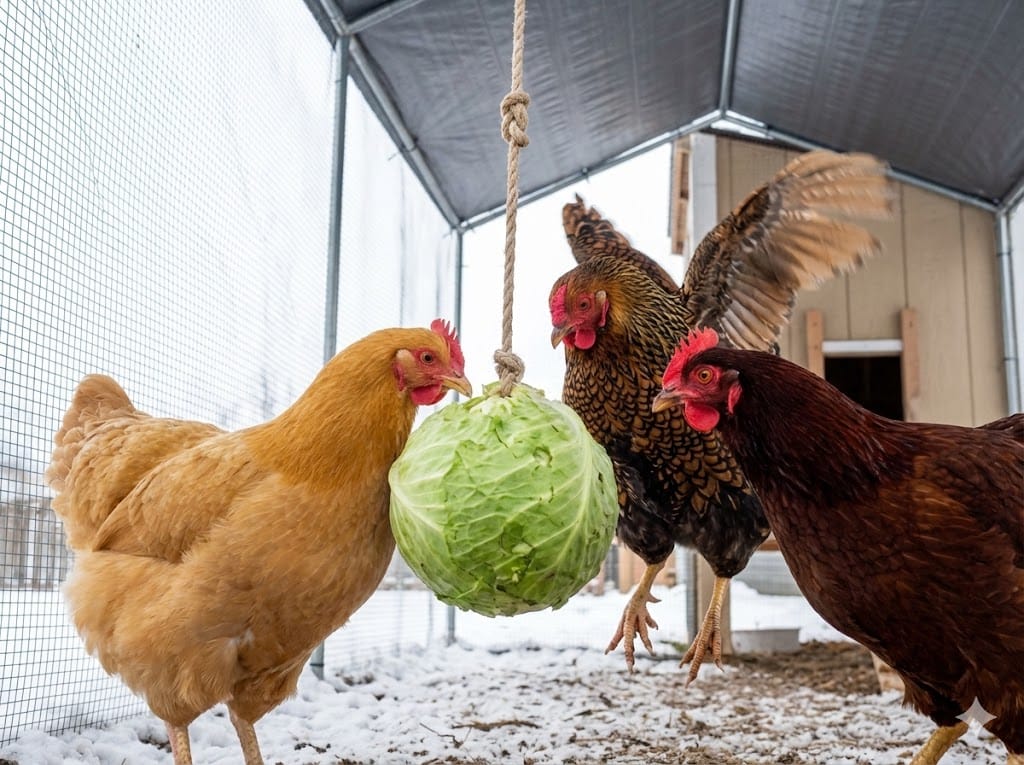
This isn’t a cooked recipe, but it is one of the best hanging treats for chickens for mental health! We recommend setting up enrichment areas or dust bath setup for winter enrichment to keep them busy.
- Why it works: It encourages natural foraging motion and exercise, which generates body heat. Plus, fresh greens are rare in winter.
- Ingredients:
- 1 whole head of cabbage
- Strong twine or rope
- An apple corer or drill
- Directions:
- Drill or core a hole through the center of the cabbage.
- Thread the rope through the hole and tie a large knot at the bottom (or use a washer).
- Hang it in the coop or run at chicken eye-level.
- Feeding Guidelines: One cabbage can last a flock of 6-8 chickens a few days. My active Rhode Island Reds absolutely love this game, sometimes keeping it swinging for hours.
- Storage: Keep cabbage in the fridge until used.
Comparison: Store-Bought vs. Homemade Winter Supplements
While homemade is cheaper, commercial products have their place. Here is a neutral comparison to help you decide what fits your lifestyle.
| Feature | Commercial Treats (Suet, Mealworms, Blocks) | Homemade Treats |
|---|---|---|
| Consistency | Highly consistent nutrient profile; manufacturers guarantee analysis (e.g., “16% Protein”). | Varies batch to batch; hard to measure exact protein/fat percentages. |
| Convenience | Unbeatable. Open bag, toss to chickens. Zero prep time. | Requires prep, cooking, and cleanup. |
| Additives | May contain preservatives, binders, or fillers like animal fat products. | Zero hidden ingredients; you control exactly what goes in. |
| Cost | Premium pricing (paying for convenience). | Extremely low cost, especially if using bulk ingredients or kitchen scraps. |
| Storage | Shelf-stable for months in original packaging. | Often requires refrigeration or freezing; spoils faster (no preservatives). |
| Verdict | Best for busy professionals or emergency backup supplies. | Best for budget-conscious keepers and those who prioritize clean eating. |
You might also consider looking into the best organic and non-GMO chicken feeds if you prefer pre-mixed quality.
Budget-Conscious Winter Feeding: Saving Money While Spoiling Your Flock
- Bulk Buying: Skip the small 5lb bags at the pet store. Visit a local feed mill or farm supply store and buy oats and black oil sunflower seeds in 50lb bags.
- Grow Your Own: Even in winter, you can grow sprouts indoors. Lentils and fodder (sprouted wheat or barley) are incredibly cheap.
- Preserve Summer Bounty: During harvest season, freeze excess zucchini, cucumbers, and berries. It turns waste into free, high-quality winter nutrition. If you have questions about using leftovers, check out our guide on the legality of feeding chickens kitchen scraps.
Veterinary Disclaimer: This information is based on established poultry nutrition guidelines and experienced chicken keepers’ practices. I am an experienced keeper, not a licensed veterinarian. For birds showing signs of illness, nutritional deficiency, or unusual behavior, always consult an avian veterinarian. Winter stress can mask underlying health issues.
What NOT to Feed Your Chickens in Winter
While we want to spoil our hens, safety comes first. Centers for Disease Control and Prevention (CDC) provides guidelines on safely handling backyard poultry and feed.
- Avocado Pits and Skins: These contain a toxin called persin, which can be fatal to birds.
- Dry or Undercooked Beans: These contain hemagglutinin, which inhibits digestion.
- Moldy Food: If you wouldn’t eat it, don’t give it to your chickens.
- Salty Foods: Chickens cannot process salt well.
- Green Potatoes or Tomatoes: While ripe tomatoes are safe, learn the details about whether chickens can safely eat tomatoes and other nightshade plants.
- Unsafe Greens: Focus on safe greens like lettuce and other approved vegetables rather than risky options.
Increasing Protein in Your Chickens’ Winter Diet
You might notice egg production drops in winter. This is natural due to shorter daylight hours, but nutrition plays a role too. Protein for chickens in winter helps them manage cold stress.
Can Winter Feeding Maintain Egg Production?
Many keepers hope that feeding warm mash will keep the egg basket full all winter. The truth is, daylight hours are the primary trigger for egg laying, not food. Hens need about 14-16 hours of light to ovulate. However, nutrition plays a vital supporting role. If you use supplemental lighting to keep them laying, their nutritional needs skyrocket. Producing an egg in freezing temps requires immense energy. Without high-protein treats and adequate calcium during this time, a laying hen will deplete her own body reserves, leading to health crashes in spring. So while treats won’t force them to lay, they fuel the ones that do.
Signs of Protein Deficiency: When Winter Treats Aren’t Enough
Sometimes, even with treats, your flock might fall behind on nutrition. Watch for these red flags that indicate you need to switch from “fun treats” to serious protein supplementation :
- Feather Picking: If you see birds pecking feathers off their flock mates, they are often craving the protein found in the feathers and blood. This is a serious welfare issue. Understanding pecking order problems and how to stop bully hens can help you distinguish nutritional deficiency from behavioral dominance issues.
- Poor Feather Regrowth: If molting seems to drag on for months with bare patches remaining exposed to the cold, they lack the building blocks to grow new plumage.
- Lethargy and Pale Combs: While winter combs are naturally paler than in summer, a bird that is listless and has a very pale or shrunken comb may be suffering from nutritional anemia. If symptoms persist despite improved diet, learn when to call the vet for a backyard chicken rather than attempting home treatment.
Aside from the recipes above, safe sources of extra protein include:
- Sprouted Lentils: Easy to grow on your kitchen counter.
- Canned Sardines: Get the ones in water (no salt added).
- Meat Scraps: Leftover cooked beef or chicken (yes, chickens are omnivores!) is fine in moderation, as long as it isn’t covered in salty sauces.
Monitoring Your Flock’s Winter Health
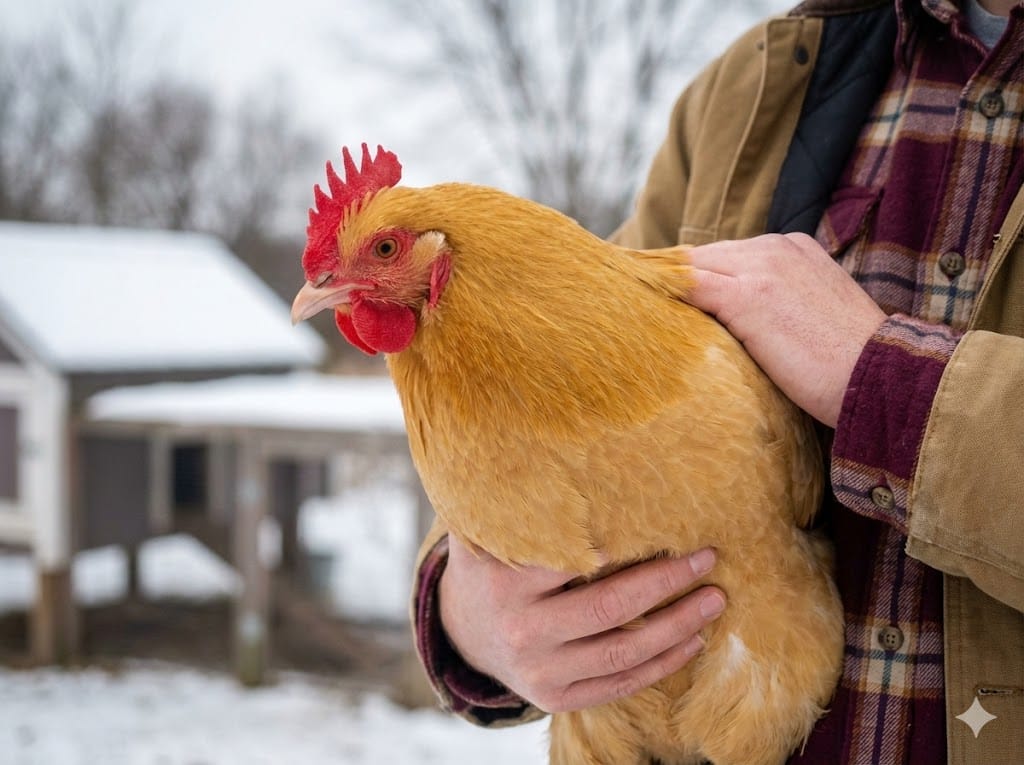
Regular health monitoring becomes even more important during winter stress. Perform a complete chicken health check weekly to catch issues early.
- Body Condition Scoring: Once a week, pick up your hens. Feel their keel bone (breastbone).
- Signs of Deficiency: Look for pale combs, brittle feathers, or egg eating.
- Frostbite Checks: Wet droppings can lead to frostbite risks. Learn essential strategies for preventing and treating frostbite on chicken combs, utilizing tips from Ohio State University Extension.
Regional Considerations for Winter Chicken Feeding
The advice that works for a keeper in Maine might be overkill for someone in Georgia. Tailor your approach to your climate:
- Northern States (MN, WI, ME, MT): In zones where temps stay below zero for weeks, extra calories are essential. Lard cakes and heated waterers aren’t luxuries—they are survival tools. You may need to feed warm mash twice a day during polar vortex events (University of Minnesota Extension offers guidance on supplemental heat). For a deep dive into cold-weather care, The Silver Fox Farm has a comprehensive guide.
- Moderate Climates (Mid-Atlantic, PNW, Midwest): You deal with wet cold more than deep freeze. Focus on keeping feed dry and preventing mold.
- Southern States (TX, FL, GA): You might only have occasional cold snaps. Do not feed heavy corn or suet all winter.
Traditional Winter Feeding: Traditional Methods vs. Modern Approaches
Many new chicken keepers look to traditional wisdom for answers. How do Amish keep chickens warm? Amish chicken keepers have used time-tested methods for generations. They rarely use fancy heaters or electric coop doors. Instead, they rely on:
- High-Quality Complete Feeds: Ensuring the base diet is perfect.
- Strategic Caloric Density: Feeding corn-based scratch grains only in the evening to fuel the bird’s metabolism overnight.
- Deep Bedding Method: Utilizing the natural heat generated by composting bedding on the coop floor.
The University of Illinois Extension recommends a bedding depth of 6-12 inches to effectively insulate and generate heat. Expert practitioners like Chicken Coach also emphasize choosing the right litter (like large flake shavings vs. straw) to manage ammonia levels.
Conclusion
Caring for a flock through the freezing months is a labor of love. By understanding what to feed chickens in winter, you are doing more than just filling their crops; you are giving them the fuel they need to generate warmth and stay healthy.
Remember, the goal isn’t to replace their nutritional feed, but to supplement it wisely using the 90/10 rule. Whether you whip up a batch of warm oatmeal mash or simply toss a handful of black oil sunflower seeds before bed, your “girls” will thank you with happy clucks and, hopefully, a few winter eggs.
Stay warm and happy farming!

Oladepo Babatunde is the founder of ChickenStarter.com. He is a backyard chicken keeper and educator who specializes in helping beginners raise healthy flocks, particularly in warm climates. His expertise comes from years of hands-on experience building coops, treating common chicken ailments, and solving flock management issues. His own happy hens are a testament to his methods, laying 25-30 eggs weekly.