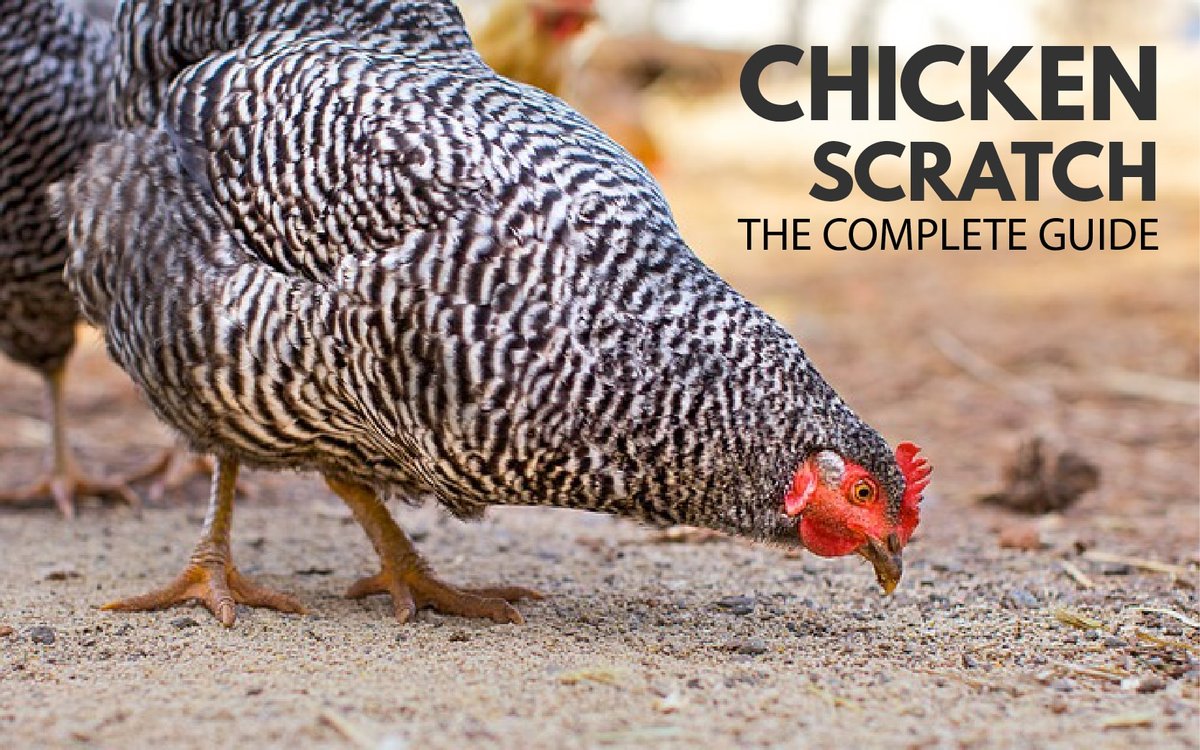
Have you ever stood in the feed store, faced with a wall of bags (Starter, Grower, Layer, Pellets, Crumbles) and then a separate bag of “Scratch Grains,” and felt completely overwhelmed? You are not alone. This is one of the most common points of confusion for new chicken keepers.
The difference is simple, yet critically important for your flock’s health. Think of it this way: Chicken Feed is a complete, balanced meal. Scratch Grains are a fun, high-carb treat, like dessert.
This guide will demystify chicken nutrition, explain the different types of feed for each life stage, and teach you the proper way to use scratch grains without harming your flock’s health.
The Fundamental Difference: A Side-by-Side Comparison
To start, here is a quick overview of what makes each product unique.
| Feature | Chicken Feed | Scratch Grains |
|---|---|---|
| Purpose | Complete, balanced nutrition | Treat and foraging encouragement |
| Protein Content | 16-22% depending on life stage | 7-11% (inadequate for chickens) |
| Nutritional Value | Contains protein, vitamins, minerals, calcium, and amino acids | Mostly carbohydrates (corn, oats, wheat). Nutritionally unbalanced. |
| Calcium Level | 3.5-4% in layer feed | Less than 1% |
| When to Feed | All day, every day as primary food | Limited amounts, usually in late afternoon |
| Analogy | The Main Course | Dessert |
This table highlights the core principle: chicken feed is a nutritionally complete diet designed for your flock’s specific needs, while scratch grains are a supplemental food. According to Dine-A-Chook, even scratch mixes labeled as “complete feeds” should never be used as a chicken’s main source of food because they encourage selective eating that leads to nutritional deficiencies.
The biggest mistake a new keeper can make is confusing the two. Feeding only scratch grains would be like trying to live on nothing but candy bars; it provides energy but leads to serious malnutrition over time. As Backyard Chicken Coops puts it, “chicken scratch is not the same as chicken feed” and should be imagined as “a kind of treat for your flock.”
Why Scratch Grains Cannot Replace Complete Feed: The Science
Understanding why scratch fails as a primary diet requires looking at what happens when chickens eat it.
The Selective Eating Problem
According to Dine-A-Chook, scratch grains got their name because they encourage chickens to scratch around in the feed looking for their favorite ingredients. Chickens can see all the different grains and seeds in scratch mix, and they will automatically eat their favorites first. The problem is that the seeds and grains that taste best are not necessarily the healthiest.
Chickens are a little like kids: they will eat all the ice cream before they eat any vegetables. In scratch mixes, chickens typically pick out:
- Corn and sunflower seeds first (high in fat and carbs, low in protein)
- Protein-rich pellets or supplements last (or not at all)
This selective feeding means that even “complete” scratch mixes with added vitamin pellets fail to deliver balanced nutrition. According to Dine-A-Chook, the vitamin powders usually sink to the bottom of the mix and are wasted, while the pellets are mostly ignored while chickens fill up on less nutritious ingredients.
Specific Nutritional Gaps in Scratch
When I compare the nutritional profiles from the PoultryDVM feed comparison database, the deficiencies become clear:
| Nutrient | Layer Feed (typical) | Scratch Grains | Why It Matters |
|---|---|---|---|
| Protein | 16-17% | 7-11% | Laying hens need 16%+ for egg production |
| Calcium | 3.5-4% | Under 1% | Eggshells require 4-5 grams calcium daily |
| Methionine | 0.7-0.85% | Minimal | Essential amino acid for feather growth |
| Lysine | 0.3-0.42% | Minimal | Critical for muscle development |
| Vitamin D3 | 1,000-2,500 IU/lb | None added | Required for calcium absorption |
According to Dine-A-Chook, chickens eating mainly scratch mix usually develop protein deficiency, which decreases egg production because their favorite ingredients like corn and sunflower seeds are low in protein. They can also become overweight from high-fat ingredients, which further decreases egg production and causes health issues.
A Guide to Chicken Feed: Complete Nutrition for Every Life Stage
Chicken feed is scientifically formulated to contain all the protein, vitamins, and minerals a chicken needs to thrive at a specific life stage. The feed’s ingredients are carefully balanced to ensure your flock gets everything required for proper growth, feather production, egg-laying, and overall health.
Chick Starter (Age: 0-6 to 8 Weeks)
This is the most important food you will give a baby chick. According to the PoultryDVM feed comparison tool, chick starter feeds typically contain:
- Protein: 18-22% (Purina Start & Grow contains 18%, while BlueSeal Home Fresh MultiFlock Starter contains 28%)
- Calcium: 0.7-1.0% (deliberately low to protect developing kidneys)
- Lysine: 0.32-0.55% for muscle development
Protein is the building block for their tiny bodies, and without it, they will not develop properly. You may see medicated and unmedicated options. According to Mile Four, medicated chick feed contains coccidiostats to protect chicks from coccidiosis but should not be used if chicks have already been vaccinated.
For detailed guidance on making this transition, see my guide on when to switch from starter to grower feed.
Grower Feed (Age: 8-18 Weeks)
After the chick stage, your young chickens are now called pullets. Based on data from the PoultryDVM comparison, grower feeds typically contain:
- Protein: 15-18% (lower than starter)
- Calcium: 0.65-0.85% (still low to protect kidneys)
- Fiber: 4-7% for digestive development
The transition from starter to grower is crucial. It is designed for steady growth, preparing them for egg-laying without putting a strain on their kidneys from excess protein or causing premature development from too much calcium.
Layer Feed (Age: 18+ Weeks or First Egg)
This is the correct food for laying hens. According to the PoultryDVM database, layer feeds consistently contain:
- Protein: 16-17% (Kalmbach Henhouse Reserve: 17%, Nutrena NatureWise Layer: 16%)
- Calcium: 3.25-4.0% (critical for eggshell formation)
- Phosphorus: 0.45-0.65% (works with calcium for bone health)
Chickens laying eggs need this specific calcium boost, as a single eggshell can use up to 10% of a chicken’s total body calcium. Without enough calcium, they will lay soft-shelled eggs or, in severe cases, experience painful egg-binding or bone density loss. For more on this critical nutrient, see my complete guide on calcium for chickens.
Many keepers also provide a separate dish of oyster shell or grit to give their hens a “free-choice” calcium supplement.
Pellets vs. Crumbles vs. Mash: Does the Form Matter?
While the nutritional content is the same, the form of the feed can make a difference in how it is consumed and how much is wasted.
| Form | Best For | Pros | Cons |
|---|---|---|---|
| Pellets | Adult chickens | Minimal waste, easy storage, prevents selective eating | May be too large for bantams |
| Crumbles | Chicks, small breeds | Easy to eat, good transition from starter | Slightly more waste than pellets |
| Mash | Fermentation, chicks | Most natural form, easy to ferment | Higher waste if chickens scratch through it |
According to Grubbly Farms, the key advantage of pellets and crumbles over mash is reduced waste and prevention of selective feeding, since all the nutrients are compressed together.
What About Broiler (Meat Bird) Feed?
Broiler or finisher feed is specifically for chickens raised for meat. According to the PoultryDVM data, broiler feeds contain 21-22% protein (Nutrena NatureWise Meatbird: 22%, ADM Pen Pals Meat Maker: 21%). These are not suitable for your laying flock, as the high protein and caloric density can lead to health issues, obesity, and a shorter lifespan for breeds not designed for rapid weight gain.
An Increasingly Popular Option: Fermented Feed
More and more chicken keepers are choosing to ferment their feed. According to Mile Four, soaking whole grain or mash feed for 24-48 hours boosts nutrient absorption, gut health, and digestion while reducing waste. Chickens eat less but get more nutrition from the same feed.
This process makes the nutrients more digestible, which can increase nutrient absorption and make the feed more filling. This also helps support healthy gut flora in the chicken’s digestive system, leading to stronger immune systems.
All About Scratch Grains: The “Dessert” Course
Scratch grains are a mix of whole or cracked grains like corn, oats, and wheat. While they may seem nutritious, they are essentially empty calories for a chicken. They are a treat, not a meal.
What Exactly is in Scratch Grains?
According to Chicken Whisperer Magazine, written by Dr. Curran Gehring, scratch grains are mixtures of whole, cracked, or crimped grains and seeds used as a supplemental feed or treat for chickens. The term encompasses various product forms, ranging from simple 3-way mixes of corn, oats, and wheat to more complex blends containing numerous grains and premix pellets.
While some scratch grain products include protein concentrate pellets with high levels of vitamins, minerals, and other ingredients to create a “complete” feed, Dr. Gehring notes that even these products contain a low percentage of pellets and cannot replace a properly balanced diet. Hens often struggle to locate pellets amidst an abundance of grains.
What is the Purpose of Scratch Grains?
Scratch grains have three main roles that benefit your flock’s well-being:
A high-energy treat: Chickens love the taste of scratch, and it is a great way to bond with them. It is a rewarding treat that encourages them to interact with you.
Encourages foraging: Tossing scratch on the ground encourages chickens to scratch and forage, which is a natural, stimulating behavior. According to Backyard Poultry, this helps relieve boredom and keeps them active, reducing pecking issues when the flock refuses to leave the coop due to heavy snow.
A tool to generate body heat: Because scratch is high in carbohydrates, feeding a small amount in the late afternoon helps chickens generate body heat overnight as their bodies digest it. According to Backyard Chicken Coops, this can help “warm their bellies on chilly winter nights.” This is particularly helpful during cold weather.
The Surprising Benefits of Whole Grains (When Fed Correctly)
Here is where the science gets interesting. According to peer-reviewed research cited by Chicken Whisperer Magazine, whole grains can actually benefit chickens when fed in the correct ratio as part of a balanced diet:
Gizzard development: Whole grains require grinding in the gizzard, which strengthens this organ. Heavier gizzards are linked to increased amounts of digesta at a lower (more acidic) pH, resulting in improved energy and nutrient utilization.
Improved digestibility: In one study cited by Dr. Gehring, the inclusion of up to 30% whole wheat in the diet increased metabolizable energy, as well as protein and starch digestibility. Another study indicated that 10-20% whole wheat enhanced metabolizable energy and amino acid digestibility in chicks.
Pathogen protection: A well-developed gizzard acts as a crucial barrier organ, preventing the entry of pathogenic bacteria into the downstream digestive tract.
The key takeaway from Chicken Whisperer Magazine: “The issue with scratch grains isn’t with the whole grains themselves but with the incorrect ratio employed.”
The 90/10 Rule: The Most Important Rule for Treats
This rule is a core part of keeping your chickens healthy. Both Grubbly Farms and Backyard Poultry confirm that treats, including scratch, should make up no more than 10% of a chicken’s daily diet. The other 90% must be their complete feed to ensure they are getting all the essential vitamins and minerals.
For perspective: if a chicken eats about 4 ounces (1/4 pound) of feed daily according to Premier 1 Supplies, then scratch should be limited to about 0.4 ounces, or roughly 2 tablespoons per bird.
Providing too much scratch can lead to severe issues like malnutrition, obesity, and a condition called Fatty Liver Hemorrhagic Syndrome, where the liver becomes so fatty it can rupture, leading to death.
Can I Mix Scratch Grains with Chicken Feed?
It is a bad idea. According to Dine-A-Chook, mixing scratch with their complete feed causes several problems:
- Chickens will pick out the “junk food” they love, leaving the vital, balanced nutrition in their feed untouched
- Feed spilled on the ground becomes contaminated with feces and spreads disease
- Spilled feed is a main attractant for rats and mice, requiring daily cleaning
- You cannot control what mixture of ingredients your chickens consume, so they will never get a properly balanced diet
It is always best to feed scratch as a separate, limited treat.
When is the Best Time of Day to Feed Scratch?
The best time to feed scratch is in the late afternoon, about an hour before they go into the coop to roost. According to Backyard Poultry, this timing serves multiple purposes:
- Gives them something fun to do before bed
- The carbs will help them stay warm through the night as their bodies digest the grains
- Encourages flock members to get moving and generate body heat, especially during the coldest winter months when they tend to huddle close together
Understanding Feed Labels: What the Numbers Mean
When comparing feeds, knowing what the nutritional values mean helps you make informed decisions. Here is a breakdown of key nutrients from the PoultryDVM comparison tool:
| Nutrient | What It Does | Ideal Range for Layers |
|---|---|---|
| Protein % | Builds muscle, feathers, and eggs | 16-17% |
| Lysine % | Essential amino acid for growth | 0.30-0.42% |
| Methionine % | Amino acid for feathers and egg production | 0.70-0.88% |
| Fat % | Energy source, vitamin absorption | 2.5-4% |
| Fiber % | Digestive health | 4-8% |
| Calcium % | Eggshell formation, bone strength | 3.25-4.0% |
| Phosphorus % | Works with calcium for bones | 0.45-0.65% |
| Vitamin A | Immune function, reproduction | 3,000-5,000 IU/lb |
| Vitamin D3 | Calcium absorption | 1,000-2,500 IU/lb |
When evaluating any feed, compare these values. If a scratch mix or “complete” grain blend falls significantly below these ranges (especially in protein and calcium), it cannot serve as a primary diet.
Other Safe Treats and The Role of Grit
While commercial feed and scratch grains are the cornerstones of your flock’s diet, they will also love a variety of other treats. The key is to always remember the 90/10 rule.
Safe Kitchen Scraps for Chickens
Most fruits and vegetables are safe for chickens, as well as cooked grains and meat in moderation. Here are some examples of healthy kitchen scraps to offer as a treat:
Vegetables: Leafy greens, broccoli, carrots, cucumbers, pumpkins, and squash.
Fruits: Berries, apples (without seeds), watermelon, and bananas.
Cooked Foods: Cooked meat scraps (no bones or excessive fat), cooked rice, and cooked pasta.
Eggs: Cooked eggs (scrambled or boiled) are a fantastic protein boost.
Foods to AVOID: Never feed your chickens raw potatoes, avocado pits/skins, chocolate, coffee grounds, or anything moldy, salty, or highly processed. It is also worth noting that some places have legal restrictions on feeding kitchen scraps. For more information, check out my guide on Is It Really Illegal to Feed Chickens Kitchen Scraps in the U.S.?
For a comprehensive list, see my guide on what chickens can eat from your kitchen.
The Importance of Grit
Grit is a supplement that every chicken needs, especially if they are eating anything other than finely ground feed. Chickens do not have teeth. Instead, they have a muscular organ called a gizzard that acts as their “stomach teeth” to grind food.
According to Chicken Whisperer Magazine, a well-developed gizzard (strengthened by grinding whole grains with grit) acts as a crucial barrier organ, preventing the entry of pathogenic bacteria into the downstream digestive tract.
Grit is simply small, indigestible stones or pebbles that a chicken swallows. These stones are stored in the gizzard and, with the help of strong muscle contractions, they grind up hard foods like grains, seeds, and even fibrous greens.
For chickens that free-range, they will likely find their own grit in the soil. For confined chickens, you must provide a separate dish of insoluble grit.
Identifying Nutritional Deficiencies
While a quality, balanced feed is the best way to prevent deficiencies, it is wise to know what to look for. According to Dine-A-Chook, chickens whose main feed is scratch mix almost always have vitamin and mineral deficiencies.
Here are common symptoms associated with nutritional deficiencies:
Feather Issues: Ruffled, brittle, or abnormal feathers. A lack of certain amino acids (particularly methionine) or vitamins can lead to poor feather quality and a loss of pigmentation. This is especially noticeable during molting season.
Weakness or Lethargy: Chickens that are weak, listless, or have a reduced appetite may not be getting enough protein, carbohydrates, or key minerals. For more information, read my guide on Why Is My Chicken Lethargic? 17 Causes and How to Help.
Skeletal Problems: Soft or rubbery bones, bowed legs, and lameness can be signs of a calcium, phosphorus, or vitamin D deficiency. This is especially common in chicks and laying hens.
Reduced Egg Production: A sudden drop in egg-laying or the appearance of thin, soft-shelled eggs is a classic sign of insufficient calcium, protein, or vitamin D.
Nervous System Issues: Tremors, “stargazing” (head turned upward), or curled toes can indicate a deficiency in B vitamins.
If you suspect a deficiency, the first step is to check your feed’s expiration date and storage conditions. According to Dine-A-Chook, in the past, chickens may have survived on grains thrown out by the farmer, but those chickens produced far fewer eggs than a modern laying hen and did not live as long either. Modern chicken breeds have been specifically developed to thrive on a complete feed, not chicken scratch.
If the feed is fresh and stored properly, consult a veterinarian or an experienced poultry expert to pinpoint the exact issue. For serious concerns, see my guide on when to call the vet for a backyard chicken.
Frequently Asked Questions
Can you give chickens too much scratch?
Yes, absolutely. According to Backyard Poultry, no more than 10% of a chicken’s feed should consist of scratch grains and corn. Overfeeding scratch violates the 90/10 rule and can lead to malnutrition, obesity, and reduced egg production because their bodies are not getting the nutrients needed to make eggs. According to Dine-A-Chook, this can also lead to more serious health problems like Fatty Liver Hemorrhagic Syndrome.
At what age can chickens have cracked corn or scratch?
It is best to wait until they are fully feathered and eating their regular feed well, usually around 8-12 weeks of age. A chick’s digestive system is not fully developed enough to properly digest the whole grains in scratch, and it is essential that they prioritize their complete starter feed for proper growth. They will also need access to grit if eating any whole grains.
How do I make my own chicken feed or scratch?
Making your own scratch is easy; it is just a mix of grains. However, according to Mile Four, making your own complete feed from scratch (DIY chicken feed) allows full control over ingredients and avoids fillers, but requires careful nutrient balancing to maintain proper chicken nutrition. It requires precise calculations to ensure the correct balance of protein, calcium, amino acids, and other vital nutrients. It is much safer for beginners to rely on commercially formulated feeds.
Are mealworms good for chickens?
Yes, they are an excellent high-protein treat that chickens love. They are a great source of protein, especially during a molt when hens need extra amino acids for feather regrowth, but they still fall under the 10% treat rule.
Can I feed chicken scratch to wild birds?
Yes. Chicken scratch is essentially a basic wild bird seed mix and is perfectly safe for them.
Is scratch necessary for chickens?
No, scratch is not necessary. Chickens can thrive on a complete feed alone. However, according to Backyard Poultry, offering scratch grains is not detrimental to a chicken’s overall health as long as the amount is regulated, and it provides benefits like encouraging natural foraging behavior and helping generate body heat in cold weather.
What is the difference between whole grain feed and scratch grains?
According to Grubbly Farms, whole grain chicken feed is often confused with scratch grains. Both contain whole grains, but scratch grain mixes have not been formulated to supply the proper balance of carbohydrates, fats, protein, vitamins, and minerals that a whole grain chicken feed supplies. Whole grain feeds are nutritionally complete; scratch grains are not.

Oladepo Babatunde is the founder of ChickenStarter.com. He is a backyard chicken keeper and educator who specializes in helping beginners raise healthy flocks, particularly in warm climates. His expertise comes from years of hands-on experience building coops, treating common chicken ailments, and solving flock management issues. His own happy hens are a testament to his methods, laying 25-30 eggs weekly.