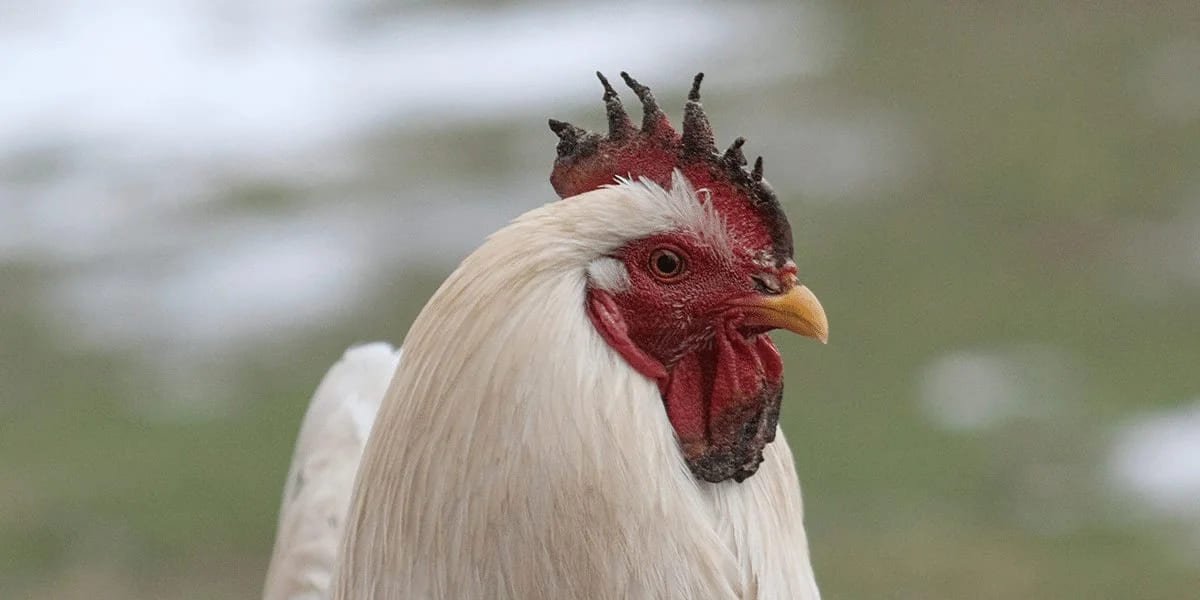
Winter can be a beautiful time on the homestead, but for chicken keepers, it often comes with a unique worry: the health and safety of your flock in the cold. The most common cold-weather issue for poultry is frostbite, a painful and potentially dangerous condition that primarily affects the exposed fleshy parts of a chicken’s anatomy, specifically the combs, wattles, and feet. If you have been wondering how to prevent and treat frostbite on chicken combs, you have come to the right place.
As a chicken keeper with several winters under my belt, I have learned that a proactive approach is always best. I still remember the first time I discovered frostbite on my Leghorn rooster’s comb during a particularly brutal cold snap. The tips had turned that telltale grayish-white, and I panicked. That experience taught me that prevention is everything, and proper coop management makes all the difference. This guide will walk you through what frostbite is, what to look for, and a simple, effective strategy for prevention and care, so you can face the winter with confidence.
What Does Frostbite Look Like on a Rooster Comb and What Is It?
Understanding the mechanics of frostbite helps you recognize it early and respond appropriately. This condition can develop faster than many keepers realize, making early detection essential for successful treatment.
Understanding Frostbite: More Than Just Being Cold
Frostbite is tissue damage caused by freezing. According to Cackle Hatchery’s veterinary resources, frostbite occurs when fluid freezes in the cells of a chicken’s comb, wattles, or toes, depriving the tissues of oxygen. After a short period of being frozen, the affected part may recover, but if the part does not soon thaw, the cells may die and perhaps become infected.
The biggest culprits are a combination of low temperatures, wind chill, and especially high moisture and humidity inside the coop. According to Backyard Poultry magazine, it takes about 10 minutes in below freezing temperatures to cause chicken frostbite. This is why a wet comb in a cold, damp coop is far more susceptible than a dry comb in an even colder, but dry, environment.
As Silver Fox Farm emphasizes, “Moisture, not cold alone, is the primary cause of frostbite.” This is the single most important concept to understand for prevention.
How to Tell if Your Chickens Have Frostbite: The Key Signs
Early detection is critical, and there are several tell-tale signs to look for. Pay close attention to your roosters, as their larger combs and wattles make them especially susceptible. According to Dr. Jacquie Jacob at the University of Kentucky, frostbite is most common in roosters because they typically have larger combs and wattles, but any hen with a large comb, such as a Leghorn, can be vulnerable as well.
Mild Frostbite (Frostnip):
- Pale, grayish-white, or waxy tips on the comb or wattles
- Tissue feels cold to the touch but remains soft and pliable
- Unusually reddened feet and toes
- Chicken may shake its head frequently
Moderate Frostbite:
- Swelling in the affected areas
- Blisters developing on combs or wattles
- Tissue becoming firm or hard
- Discoloration progressing from tips
Severe Frostbite:
- Dark purple or black discoloration indicating tissue death
- Shrunken, hard tissue that will not recover
- Loss of appetite or reluctance to eat and drink
- Listlessness and reduced activity
According to Chicken Whisperer Magazine, if conditions are damp, susceptible breeds can experience frostbite at slightly higher temperatures than the typical 20°F threshold, making moisture control even more critical.
Recognizing the signs of frostbite is the first step, but preventing it is the most effective solution. Now let us explore the ultimate prevention strategy, focusing on coop management and daily care.
How to Prevent Frostbite in Chickens: The Ultimate Prevention Strategy
The best way to treat frostbite on a chicken’s comb is to prevent it from ever happening in the first place. The key is focusing on the flock’s environment, their roosting setup, and overall health management.
Your Number One Defense: A Dry, Well-Ventilated Coop
Your single most important defense against frostbite is a dry coop. Excess moisture from droppings and respiration will freeze on combs and wattles, making chickens highly vulnerable even when temperatures are not extremely cold.
According to Dr. Jacob’s research at the University of Kentucky, well-designed and maintained coops should prevent frostbite in chicken flocks, but with extremely low temperatures in single digits and below, frostbite can become a problem. Frostbite is more likely to occur during the nighttime hours in a cold, poorly ventilated coop with damp bedding.
Signs Your Coop Has a Moisture Problem:
- Condensation on windows or uninsulated walls in the morning
- Damp or wet bedding
- Strong ammonia smell
- Frost forming on interior surfaces
According to Chicken Whisperer Magazine, Dr. Bethany Hsia recommends checking for condensation on surfaces and feeling for air movement at bird level on a still day. Make sure there are high vents near the roof and lower vents near the floor to create a natural convection current.
If you notice condensation on windows or walls, ventilation must be increased immediately to keep the coop dry. For detailed guidance on proper airflow, see our guide on coop ventilation mistakes that can harm your flock.
Moisture-Absorbing Products
Consider using moisture-absorbing products like Sweet PDZ Coop Refresher, which can be sprinkled under bedding or near roosts to reduce humidity levels. According to Silver Fox Farm, these products help absorb excess humidity in the coop, creating a healthier environment for your flock.
The Dangers of a Sealed Coop
It is a common mistake to seal a coop completely to keep it warm, but this actually traps moisture and ammonia. According to Dr. Hsia, “Poor ventilation increases the risk of frostbite.” Proper ventilation helps remove ammonia and excess humidity from the coop, reducing the risk significantly.
Proper Ventilation Setup:
- Place vents high above the chickens’ heads, near the roofline
- Ensure stale, moist air can escape without creating drafts at roosting level
- Use hardware cloth over vents to prevent predator entry
- Consider adjustable vents that can be partially closed during extreme cold
The goal is to allow moisture-laden air to escape while protecting your birds from direct drafts. A chicken’s feathers are a natural insulator, and as long as they stay dry, they are excellent at keeping them warm.
Critical Warning About Prefab and Plastic Coops
If you have a small, inexpensive prefab or plastic coop, be aware that these can be dangerous during frostbite weather. Small plastic coops hold too few chickens to generate enough heat to keep each other warm, and they often lack proper ventilation. Chickens that live in a prefab portable coop should be moved, coop and all, into a garage or other protective outbuilding during extreme cold spells.
Insulating Your Coop: Getting the Balance Right
While you might be tempted to load up on insulation to prevent hypothermia, it is far more important to focus on moisture control. Excessive insulation can trap moisture, which is the main cause of frostbite. According to University of Kentucky Extension guidance, postponing cleaning out the coop until spring can actually help, as the extra layer of bedding material in the coop over winter helps insulate the building. It is important to top dress the bedding as needed throughout winter to keep it dry.
For a detailed approach to winter coop management, see our complete winterizing chicken coop guide and our research on winter coop insulation and temperature management.
Install Droppings Boards
One of the most effective moisture-reduction strategies that many keepers overlook is installing droppings boards under roosts. According to Silver Fox Farm, droppings boards make daily cleaning easier, and removing accumulated droppings quickly reduces moisture exposure for chickens while they sleep. Even frozen droppings contain moisture that can contribute to frostbite risk.
Simply take the boards outside the coop each morning, scrape into your compost pile, and replace. This takes just a few minutes and dramatically reduces overnight moisture levels.
Now that we have covered coop environment, let us look at the tools and products that can provide an extra layer of protection for your birds’ exposed skin.
The Great Debate: What Can I Put on My Chicken’s Comb to Prevent Frostbite?
One of the most common questions chicken keepers ask is about using protective balms on combs and wattles. This topic generates significant debate among experts.
Should I Put Vaseline on My Chicken’s Comb?
Expert opinions vary on petroleum jelly. According to UMN Extension, you can apply petroleum jelly to chicken combs and wattles to help insulate them and prevent frostbite damage. However, petroleum jelly does not treat frostbite.
According to University of Kentucky Extension, for mild freezing, petroleum jelly helps, but coop management is the real key. Flocks can do well at sub-zero temperatures if you use a deep litter system and an in-bucket water warmer, with no external heat required.
However, Silver Fox Farm takes a different position, stating that applying petroleum jelly to combs and wattles does not prevent frostbite and may even make the problem worse. They recommend focusing instead on keeping chickens dry and managing moisture inside the coop.
The Bottom Line: If you choose to use petroleum jelly, understand it may help in mild conditions but is not a substitute for proper coop management. Focus your primary efforts on ventilation and moisture control.
Application Tips (If Using):
- Apply in the evening after birds have settled on the roost
- Warm a small amount between your fingers first
- Apply a thin, even layer to combs and wattles
- Avoid getting product in eyes or nostrils
- Reapply every few days during extreme cold spells
Alternative Products:
- Bag Balm: Popular choice among experienced keepers
- Coconut oil: Natural option, though may need more frequent application
- Waxelene: Petroleum-free alternative
- Musher’s Secret: Originally for dog paws, some keepers use on combs
Important note: Any product you apply to prevent frostbite should not contain water, as water-based products can actually increase freezing risk.
Beyond protecting the combs and wattles, a holistic approach to your coop and your flock’s diet will give them the best chance to thrive. Let us look at protecting another vulnerable area that many keepers overlook.
Beyond the Comb: Protecting Feet and Toes
While combs and wattles are the most common frostbite sites, a chicken’s feet and toes are also highly susceptible to cold injury. According to multiple sources, chickens can experience serious damage to their toes in extreme temperatures, especially if their roosts are too small in diameter.
The Critical Role of Proper Roosting Bars
When a chicken roosts at night, their feet are tucked up under their bodies as they sleep. Generally, if the roost is large enough in diameter, the ends of the toes are also covered. But if the roost is smaller than about 2 inches in diameter, the toes will “stick out” and not be protected.
According to Chicken Whisperer Magazine, Dr. Hsia confirms that roosts should be wide enough for chickens to comfortably cover their feet, preventing their toes from being exposed to extreme cold. Roosts should also be positioned away from drafts and at varying heights to allow birds to choose their preferred spot.
Recommended Roost Setup:
- Use 2×4 inch lumber with the flat (4-inch) side facing up
- This allows chickens to sit flat-footed and cover their feet entirely with body feathers
- Position roosts at least 18 inches off the floor
- Ensure adequate roosting space for all birds (8 to 10 inches per standard bird)
- Use wood rather than metal or plastic, as wood does not conduct cold as readily
For proper roosting bar placement, see our guide on how high roosting bars should be.
Creating Dry, Snow-Free Zones
In their run, provide areas covered with a tarp, lean-to, or solid roofing so chickens have a place to scratch and forage that is protected from snow and ice. According to Backyard Poultry magazine, if you are allowing your chickens out during freezing weather, provide stumps, buckets, boxes, or even pallets in the chicken runs so they are able to get up off the frozen ground to prevent feet and toes from freezing.
Additional strategies include:
- Spread thick layers of straw or wood shavings in outdoor areas
- Create wind barriers using tarps, plywood, or straw bales
- Provide covered runs to protect from precipitation
The Deep Litter Method for Winter Protection
A thick layer of dry bedding in the coop, managed with the deep litter method, provides excellent insulation and a warm surface for birds to stand on. According to UMN Extension, deeply bedding the coop with 4 to 6 inches of straw or shavings, stirring the top layer as it becomes soiled, and adding fresh bedding on top will provide some natural heat as the manure decomposes. Place a 6 to 8 inch kickboard around the doorway to prevent bedding from spilling out.
Your chickens’ diet is just as important as their environment for keeping them warm and healthy. Let us explore how proper nutrition and hydration can be your best allies this winter.
Fueling the Feathered Furnace: The Importance of Winter Nutrition
Proper nutrition is crucial in winter because a chicken’s metabolism is its internal furnace. To generate enough body heat to stay warm, they need the right fuel in adequate quantities.
High-Energy and High-Protein Foods
In winter, chickens require a higher-energy diet to maintain their body temperature. According to Chicken Whisperer Magazine, Dr. Hsia recommends increasing caloric intake through higher protein and fat content, which provides more energy for thermoregulation. This can help chickens stay warm and healthy all season long.
Evening Treats for Overnight Warmth: Give your flock a “nightcap” of high-energy foods right before they go to roost. Cracked corn and scratch grains are popular choices because they take longer to digest, providing a slow-burning heat source that lasts through the night.
Ways to Increase Winter Nutrition:
- Increase feed with higher protein and fat content
- Provide high-carb treats such as scratch or whole grains
- Offer high-protein treats such as dried mealworms
- Feed safe kitchen scraps such as fruit, grains, or raw vegetables (in moderation to avoid obesity)
Fermented Feed for Winter: Consider fermenting your flock’s feed during cold months. Fermented feed is a simple way to support gut health, improve immunity, and even boost hydration during cold weather. The natural probiotics from fermentation improve digestion and help keep your flock strong through winter.
Warm Treats for Cold Mornings: Offering warm oatmeal or a “chicken soup” of cooked grains and vegetables on a cold morning provides a quick energy boost and comforting treat. See our guide on what to feed chickens in winter for more detailed recommendations, and learn whether oatmeal is safe for chickens.
Consistent Access to Fresh, Unfrozen Water
This is arguably the most critical and often overlooked part of winter chicken keeping. A chicken will not eat if it cannot drink, and dehydration in cold weather can be just as dangerous as in summer heat. According to Chicken Whisperer Magazine, dehydration is a leading cause of illnesses in a flock. It can also contribute to lethargy, which can lead to frostbite.
The Nipple Waterer Advantage:
According to Silver Fox Farm, nipple waterers are particularly effective since they minimize wet wattles, which is a major frostbite concern. Unlike open waterers where chickens dip their wattles while drinking, nipple waterers keep wattles dry. Additionally, placing waterers outside the coop reduces humidity from evaporation or spillage.
Water Management Solutions:
| Method | Cost | Effectiveness | Best For |
|---|---|---|---|
| Heated waterer base | £30 to £60 / $40 to $80 | Excellent | Areas with electricity |
| Electric nipple waterer | £40 to £80 / $50 to $100 | Excellent | Wattle protection + freeze prevention |
| Submersible de-icer | £20 to £40 / $25 to $50 | Good | Large containers |
| Heated poultry fountain | £50 to £100 / $60 to $120 | Excellent | Larger flocks |
| Manual water changes | Free | Labor-intensive | Small flocks, mild climates |
For keepers without electricity in the coop, see our guide on keeping chicken water from freezing without electricity and our review of best winter water solutions.
Despite your best prevention efforts, frostbite can still happen during extreme cold snaps. In the event you find a chicken with signs of frostbite, knowing how to respond is critical to their recovery.
How to Treat Frostbite on a Rooster’s Wattles and Comb
If you discover a chicken with frostbite, it is important to act quickly and cautiously. The first few hours after discovery are critical for limiting damage and preventing complications.
Critical Safety Warning
According to PoultryDVM and University of Kentucky Extension, there are several things you must NOT do:
- Do NOT use direct heat such as a hair dryer, heat lamp, or heating pads to rewarm the affected area
- Do NOT rub, massage, shake, or otherwise apply any physical force to frostbitten tissues, as this can cause more damage
- Do NOT trim the blackened areas unless they become infected. Removing a blackened area can expose the area beneath to frostbite as well as infection. The blackened areas actually protect the remaining comb
- Do NOT pop any blisters, as this risks infection
- Do NOT give chickens acetaminophen (Tylenol) or ibuprofen, as these can be harmful or lethal to poultry
Step-by-Step Frostbite Treatment Guide
Step 1: Isolate and Gently Warm the Chicken
Bring the chicken to a warmer (but not hot) area, around 50 to 60°F (10 to 15°C). The goal is slow, gradual rewarming. According to Backyard Poultry magazine, place the bird in a carrier with bedding, food, and electrolytes along with fresh water, in a warm area with no drafts.
Step 2: Thaw Frozen Tissue Gradually
According to multiple veterinary sources:
- For frozen feet: Soak the limbs in room temperature to slightly warm water (100°F or 38°C) for up to 30 minutes to gradually warm the frostbitten areas
- For frozen combs or wattles: Gently apply a damp, warm cloth for 15 to 20 minutes, rewarming the cloth as needed
- Epsom salt can be added to foot soaks for additional benefit
According to Backyard Poultry magazine, soaking may take as long as a half hour.
Step 3: Apply Appropriate Wound Care
After the tissue has thawed:
- Dry the affected areas thoroughly
- Apply Vetericyn spray, which is easy to apply without putting pressure on the affected area
- Aloe vera gel or silver sulfadiazine (SSD) cream can also be applied to affected areas. According to PoultryDVM, aloe vera has been shown to improve tissue survival in frostbitten animals
- Rub Bag Balm or other healing salves on feet after soaking
- Apply Blu Kote if there is bleeding, to prevent pecking from other chickens
Step 4: Provide Supportive Care
- Ensure easy access to clean water and nutritious food
- Add electrolytes and vitamins to water for the first few days (products like Flock Fixer or similar poultry electrolytes help with stress and recovery)
- Provide soft bedding that will not irritate affected areas
- Use feeders and waterers that will not rub against damaged tissue
Step 5: Monitor for Infection
Keep a close eye on the affected area for signs of infection:
- Bad-smelling fluid leaking from wounds
- Increased swelling or redness
- Pus or discharge
- Wounds that are not healing
According to Tilly’s Nest, watch for any swelling, increased redness, discharge from the wound, or odor. If this occurs, try treating the frostbitten area with Neosporin or Vetericyn. If the infection appears severe, consult a veterinarian.
If blisters appear, leave them alone. Breaking blisters exposes the area to infective organisms.
Will Frostbite on a Rooster Comb Heal?
Yes, in most cases the black, dead tissue will dry up and eventually fall off on its own. According to Silver Fox Farm, mild frostbite may resolve in a few days. Moderate cases typically heal in four to six weeks. Severe frostbite involving significant tissue loss may take several months to fully heal.
According to Tilly’s Nest, if left alone, the frostbitten wattles and combs should turn black, dry up, harden, and fall off, leaving behind new skin. It can take up to 6 weeks for frostbitten areas to completely heal.
The good news is that chickens can live a full, healthy life after losing parts of their comb or wattles. However, frostbite can put stress on the chicken’s body. Roosters can even become temporarily infertile, and hens may reduce egg laying until temperatures warm up and the bird recovers fully.
When to Consult a Veterinarian
According to PoultryDVM, veterinary advice should be sought from your local veterinarian before applying any treatment. You should definitely seek professional help if:
- The chicken shows signs of systemic infection (lethargy, fever, refusal to eat)
- Infection develops in the frostbitten areas (bad odor, pus, increased swelling)
- The bird appears to be in extreme pain
- Major portions of combs, wattles, or feet are affected
- You are considering removal of necrotic tissue
A veterinarian can prescribe appropriate pain medication such as tramadol, carprofen, meloxicam, or gabapentin. According to PoultryDVM, Pentoxifylline (15 mg/kg) has been shown to significantly improve tissue survival in frostbitten animals, both alone and in combination with aloe vera cream and aspirin.
For guidance on when veterinary care is necessary, see our guide on when to call the vet for a backyard chicken.
Common Winter Mistakes to Avoid
According to Chicken Whisperer Magazine, these are the most common mistakes chicken keepers make that increase frostbite risk:
Over-insulating the coop: It is tempting to insulate the coop to keep the cold out, but over-insulation traps heat and moisture, leading to condensation that freezes and increases frostbite risk. When it comes to ventilation, more is often better.
Keeping chickens confined: Healthy chickens should always have the option to stay in the coop or go outside. Although it may be cold, allowing them to roam helps them acclimate to cold temperatures and stay active.
Using heat lamps: Heat lamps might seem like a good idea, but they pose a fire hazard and can make birds overly dependent on the warmth. Most healthy adult chickens adapt and do well without extra heat. If you must provide supplemental heat, consider a safer infrared heater rather than a traditional heat lamp. Generally, supplemental heat is not recommended unless temperatures are extremely low, below zero degrees Fahrenheit.
Letting waterers freeze: Check waterers regularly and consider using a heated waterer or nipple system.
Putting off coop cleaning: It may be chilly outside, but farm chores should not pause. Keep the coop clean to reduce moisture, eliminate excessive droppings, and gather eggs. Fresh bedding keeps the coop dry, warm, and sanitary.
For safe heating options if you do choose to add warmth, see our guide on safe chicken coop heaters.
Understanding the Costs of Frostbite Treatment
Being prepared for potential veterinary expenses helps you make informed decisions about your flock’s care. Frostbite treatment costs can vary significantly depending on severity and whether professional care is needed.
Typical Treatment Costs
| Treatment Type | Estimated Cost (UK) | Estimated Cost (US) |
|---|---|---|
| Home treatment supplies (Vetericyn, Blu Kote, bandages, electrolytes) | £20 to £50 | $25 to $65 |
| Avian vet consultation | £50 to £150 | $60 to $175 |
| Prescription pain medication | £20 to £60 | $25 to $75 |
| Antibiotics for infection | £15 to £45 | $20 to $55 |
| Surgical debridement or amputation | £150 to £400+ | $200 to $500+ |
| Follow-up visits | £30 to £80 each | $40 to $100 each |
Building an Emergency Fund
Many experienced chicken keepers recommend setting aside £100 to £200 (or $150 to $300) as an emergency veterinary fund for unexpected health issues like severe frostbite. This allows you to seek professional care promptly without financial stress.
For a complete breakdown of ongoing expenses, see our guide on the real cost of keeping 6 chickens and first-year costs of raising chickens.
Prevention is always more cost-effective than treatment. Let us look at which breeds are naturally more resistant to cold weather conditions.
Cold-Hardy Breeds: Your First Line of Defense
Choosing the right breeds for your climate is one of the most effective long-term strategies for preventing frostbite. Some chicken breeds have evolved smaller combs and wattles specifically suited to cold climates.
Best Breeds for Cold Climates
According to multiple sources including Stromberg’s Chickens, breeds with pea combs, rose combs, or other small comb types have significantly lower incidence of frostbite. Generally speaking, chicken breeds with smaller combs and heavier bodies are better at producing body heat and keeping themselves warm.
| Breed | Comb Type | Cold Hardiness | Notes |
|---|---|---|---|
| Wyandotte | Rose comb | Excellent | Very popular cold-climate choice |
| Plymouth Rock | Single (small) | Very good | Hardy dual-purpose breed |
| Orpington | Single (small) | Very good | Fluffy feathers provide extra insulation |
| Australorp | Single (medium) | Good | Black feathers absorb winter sun |
| Brahma | Pea comb | Excellent | Feathered feet, very cold-tolerant |
| Silkie | Walnut comb | Good | Small comb, needs dry conditions |
| Buckeye | Pea comb | Excellent | Specifically bred for cold Ohio winters |
| Rhode Island Red | Single (medium) | Very good | Hardy and cold-resistant |
| Jersey Giant | Single (medium) | Very good | Large body generates more heat |
You might also want to consider keeping only hens, as they have smaller combs and wattles than roosters, thus reducing frostbite risk.
For more breed recommendations, see our guides on cold weather chicken coops and best heat-tolerant breeds if you also experience hot summers.
Breeds to Be Cautious With in Cold Climates
Large-combed breeds require extra attention during winter. According to Chicken Whisperer Magazine, breeds with large combs and wattles, such as Leghorns and Minorcas, are more prone to frostbite.
These breeds can still thrive in cold climates with proper coop management and protective measures, but they require more vigilance from their keepers.
Frequently Asked Questions
Can I use Vicks VapoRub on chickens?
No, you should not use Vicks VapoRub on chickens. The strong fumes and ingredients, particularly camphor and eucalyptus, can be harmful to a chicken’s sensitive respiratory system. It is not recommended for any use on poultry. Stick to poultry-safe products like Bag Balm, petroleum jelly, Vetericyn, or veterinary-approved wound treatments.
What about essential oils for frostbite?
Be very cautious with essential oils. Most are too concentrated for chickens and can cause irritation, respiratory issues, or toxicity. It is best to stick to supportive care and approved balms unless specifically directed otherwise by a veterinarian experienced with poultry.
How long does frostbite take to heal?
According to veterinary sources, mild frostbite may resolve within a few days. Moderate cases typically heal in four to six weeks. Severe frostbite involving significant tissue loss may take several months to fully heal. The blackened tissue will dry up, harden, and eventually fall off on its own, revealing new skin beneath.
Will my chicken’s comb grow back after frostbite?
The dead tissue will not regenerate, so if portions of the comb or wattles are lost to frostbite, that tissue will not grow back. However, the remaining healthy tissue will heal over, and many chickens live completely normal lives with smaller or damaged combs. Some keepers report that the scarred tissue is actually more resistant to future frostbite.
Should I heat my chicken coop in winter?
Most poultry experts advise against supplemental heating for adult chickens. Heat lamps are a significant fire hazard, and chickens that become dependent on artificial heat may struggle if the power goes out. According to University of Kentucky Extension, flocks can do well at sub-zero temperatures if you use a deep litter system and keep the coop dry, with no external heat required. Focus on moisture control and draft prevention rather than adding heat. If you must add heat, consider safer infrared heaters rather than heat lamps.
Can chickens eat snow instead of drinking water?
While chickens may peck at snow, it should never replace access to liquid water. Eating snow requires the bird to use body heat to melt it, which works against their efforts to stay warm. Always provide unfrozen water. See our article on whether chickens can eat snow for more details.
Is a chicken with frostbite safe to process for meat?
Frostbite itself does not make chicken meat unsafe to eat. However, if the bird has been treated with antibiotics or other medications, you must observe the appropriate withdrawal period before processing. Focus on treating the bird and allowing it to recover fully before making any decisions about culling.
Does petroleum jelly actually prevent frostbite?
Expert opinions are divided. According to UMN Extension, petroleum jelly can help insulate combs and wattles and prevent frostbite damage in mild conditions. However, Silver Fox Farm states it does not prevent frostbite and may make the problem worse by trapping moisture. The consensus is that petroleum jelly may help in mild freezing conditions, but coop management (ventilation, moisture control, proper roosts) is the real key to prevention.
By focusing on a dry, well-ventilated coop, proper roosting setup, nipple waterers to keep wattles dry, and good winter management practices, you can drastically reduce the risk of frostbite for your flock. Remember that ventilation and moisture control are more important than pure heat. While frostbite can be frightening to encounter, understanding how to prevent and treat it makes this condition a manageable challenge with proper, gentle care. Most importantly, a dry coop and good coop management are your best friends for winterizing your poultry and keeping your flock healthy through the coldest months.
Disclaimer: The information in this article is based on personal experience, veterinary resources, and agricultural extension research. It is not a substitute for professional veterinary advice. According to PoultryDVM, veterinary advice should always be sought from your local veterinarian before applying any treatment. Please consult a qualified veterinarian for any serious health concerns with your flock.

Oladepo Babatunde is the founder of ChickenStarter.com. He is a backyard chicken keeper and educator who specializes in helping beginners raise healthy flocks, particularly in warm climates. His expertise comes from years of hands-on experience building coops, treating common chicken ailments, and solving flock management issues. His own happy hens are a testament to his methods, laying 25-30 eggs weekly.