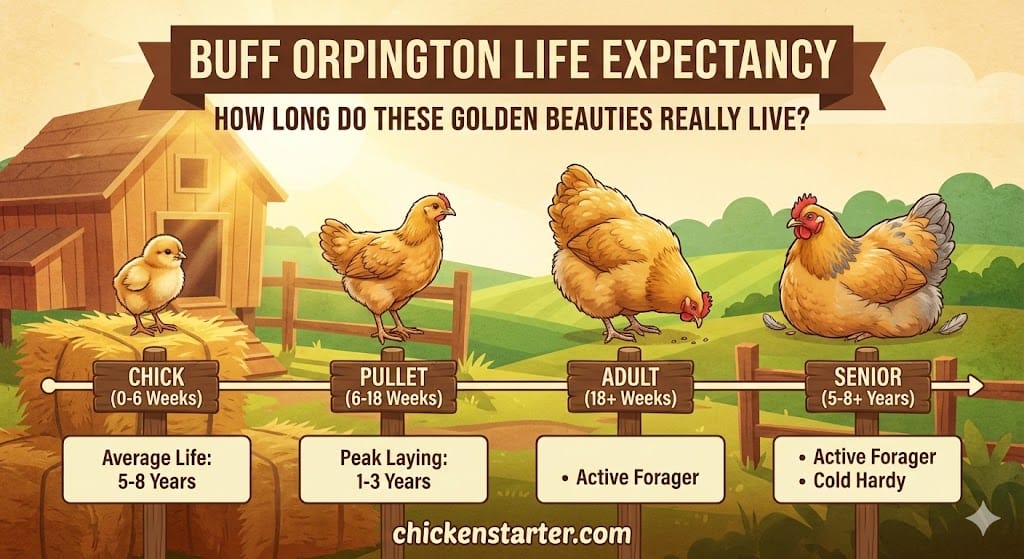
Understanding Buff Orpington life expectancy is one of the most important considerations when adding these beloved birds to your flock. Whether you are planning your first backyard chicken setup or expanding an existing flock, knowing how long your Buff Orpingtons will live helps you plan for years of companionship, egg production, and care requirements.
I still remember the day I brought home my first Buff Orpington, a fluffy golden pullet I named Goldie. That was back in 2020, and as I write this in early 2026, she is still with me, scratching around the yard and occasionally gifting me with an egg. Watching her age gracefully has taught me more about Buff Orpington longevity than any book ever could.
The short answer to what is the lifespan of a Buff Orpington chicken is 5 to 10 years, with most birds living 7 to 8 years under good care. According to a survey conducted by Chicken Experts, 92% of Buff Orpington owners said they would choose to own this breed again, a testament to both their temperament and the years of enjoyment they provide.
This guide will walk you through everything affecting Buff Orpington lifespan, from health issues to watch for, year-by-year changes in egg production, and end-of-life signs every chicken keeper should recognize.
Average Buff Orpington Life Expectancy: What the Data Shows
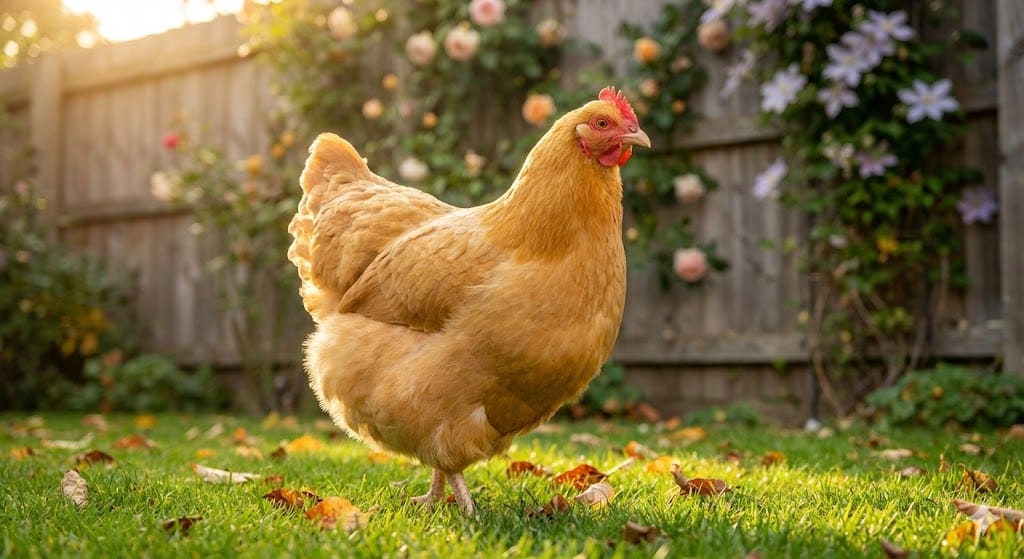
Let me be direct about the numbers, because I have seen conflicting information across various sources and want to give you the most accurate picture.
Buff Orpington lifespan ranges from 5 to 10 years, with most sources converging on 7 to 8 years as the average for well-cared-for backyard birds. According to My Pet Chicken’s breed guide, the average life span of Orpington chickens is 5 to 8 years.
However, this range deserves unpacking because so many factors influence where your individual bird will fall within it.
| Life Expectancy Factor | Impact on Lifespan |
|---|---|
| Quality of housing | High (predators shorten life more than genetics) |
| Nutrition | High |
| Climate management | Medium-High |
| Genetic background | Medium |
| Veterinary care access | Medium |
| Egg production demands | Medium |
The survey data from Chicken Experts notes something important: lifespan “ranges largely due to the quality of their coop, as it is predators that shorten their life, not the breed itself.” This observation matches my experience completely. I have lost more chickens to predators than to old age or disease.
Buff Orpington Life Expectancy by Gender: Males vs. Females
One question I receive frequently is whether Buff Orpington life expectancy male differs from females. The answer is nuanced.
Buff Orpington roosters often live longer than hens when all other factors are equal. Why? Because they do not experience the physical demands of egg production, which takes a significant toll on a hen’s body over years of laying.
Expected lifespan comparison:
- Buff Orpington hens: 5 to 8 years (average 6 to 7)
- Buff Orpington roosters: 6 to 10 years (average 7 to 8)
The reproductive system stress that hens experience, particularly the daily formation and laying of eggs, contributes to specific health conditions that can shorten their lives. We will cover these health issues in detail later.
That said, roosters face their own risks. They are more likely to be culled due to noise complaints, aggressive behavior, or simply because most backyard keepers do not need multiple males. Many roosters that would otherwise live long lives are dispatched early for practical reasons.
Buff Orpington Life Expectancy in Captivity vs. Free Range
When people ask about Buff Orpington life expectancy in captivity, they usually mean well-managed backyard or farm settings rather than commercial operations. In these settings, Buff Orpingtons typically reach their full lifespan potential.
Captivity (protected backyard setting):
- Lower predator risk
- Controlled nutrition
- Shelter from extreme weather
- Regular health monitoring
- Average lifespan: 7 to 8 years
Free range (with shelter access):
- Higher predator exposure
- More exercise and foraging
- Greater mental stimulation
- Variable nutrition depending on forage quality
- Average lifespan: 5 to 7 years (reduced mainly by predation)
The key insight here is that “captivity” in chicken terms usually means protection, not restriction. Well-designed housing with adequate space, ventilation, and predator protection creates conditions where Buff Orpingtons thrive for many years. Our guide on predator-proofing your chicken coop covers essential protection measures.
Year-by-Year Buff Orpington Life Stages and Egg Production
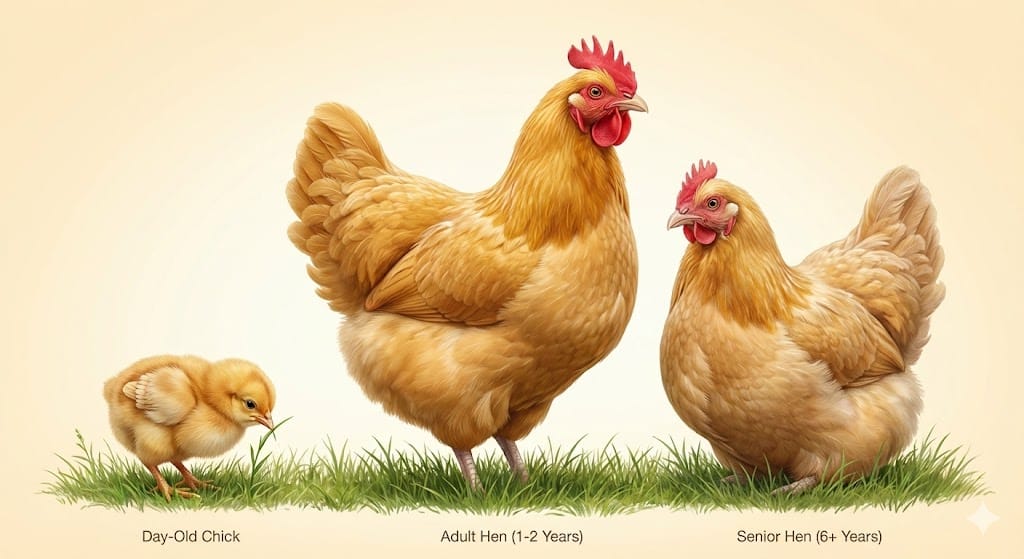
Understanding how Buff Orpingtons change over their lifespan helps you know what to expect and when to be concerned.
Year 1 (5 to 12 months old): The Beginning
Your Buff Orpington starts laying around 22 to 26 weeks of age (approximately 5 to 6 months). According to customer reviews from Cackle Hatchery, most Buff Orpingtons begin laying by 23 weeks, though individual variation exists.
I tracked Goldie’s first egg obsessively. She finally laid at exactly 21 weeks and 4 days, which surprised me because everything I had read suggested I would be waiting longer. She was one of the early ones in her batch. Her sister, from the same hatch, did not start until week 25. The waiting game is real with this breed, so do not panic if your pullets seem to be taking their time.
What to expect:
- Slow start, then rapid increase in laying
- 180 to 220 eggs in their first partial laying year
- Occasional soft or misshapen shells as their system calibrates
- High energy and curiosity
I remember Goldie’s first egg vividly. It was tiny, maybe half the size of her eventual large eggs, and she seemed just as surprised as I was. Within a few weeks, she was laying beautiful, consistent eggs.
For signs that your hen is about to begin laying, our guide on chicken behavior before laying first egg covers what to watch for.
Year 2 (1 to 2 years old): Peak Production
This is the golden year. Your Buff Orpington is mature, confident, and laying at her best.
What to expect:
- Peak production: 220 to 280 eggs per year
- Large, well-shaped brown eggs
- Reliability, approximately one egg every 1 to 1.5 days
- Strong immune system
- Full adult weight (hens 7 to 8 lbs, roosters 10 lbs)
Survey data from Chicken Experts confirms this: 41% of owners reported their Buff Orpingtons laid at least 4 eggs per week, and 35% said 5 eggs per week during peak years.
Year 3 (2 to 3 years old): Slight Decline
You will notice production beginning to slow, though your hen is still a solid layer.
What to expect:
- 180 to 200 eggs per year
- More breaks between laying
- Stronger mothering instincts (broodiness may increase)
- Still healthy and active
This is often when Buff Orpingtons make excellent broody mothers if you want to hatch chicks naturally. Their maternal instincts are exceptional. Our guide on breaking a broody hen helps if you would rather keep her laying.
Years 4 to 5 (3 to 5 years old): Notable Decline
Egg production drops more noticeably during these years.
What to expect:
- 120 to 160 eggs per year
- More skipped days and shorter laying seasons
- May stop laying entirely during cold months
- Higher risk of egg-laying disorders
- Still active but noticeably calmer
Year 6 and Beyond (5+ years old): Senior Years
At this point, egg production becomes unpredictable. Some hens stop laying entirely while others continue sporadically, especially in spring.
What to expect:
- 40 to 100 eggs per year (if any)
- Higher risk of laying issues like egg binding
- May develop age-related health conditions
- Still valuable as flock leaders and companions
- Excellent broody mothers for hatching other birds’ eggs
I have found that older Buff Orpingtons often become the calmest, most handleable birds in the flock. Goldie at 5+ years old will sit in my lap for extended periods, something she never did during her busy laying years.
Understanding the Buff Orpington Life Cycle
The Buff Orpington life cycle follows predictable stages that help keepers anticipate their birds’ needs:
| Life Stage | Age | Key Characteristics |
|---|---|---|
| Chick | 0-8 weeks | Rapid growth, requires heat, starter feed |
| Pullet/Cockerel | 8-22 weeks | Adolescent growth, transitioning to adult feed |
| Point-of-Lay | 22-26 weeks | Sexual maturity, first eggs (hens) |
| Prime Production | 1-3 years | Peak egg laying, optimal health |
| Mature Adult | 3-5 years | Declining production, established flock role |
| Senior | 5+ years | Minimal laying, companion bird status |
Understanding where your bird falls in this cycle helps you provide appropriate care and set realistic expectations for egg production.
Buff Orpington Female Life Expectancy: Special Considerations
Buff Orpington life expectancy female birds face unique challenges related to their reproductive systems. Understanding these helps you provide better care and catch problems early.
Egg-laying lifespan: 4 to 5 years of consistent production, though some continue laying occasionally for 6 to 7 years.
Total lifespan: 5 to 8 years average, with excellent care potentially reaching 10 years.
The gap between when laying slows and when the hen naturally dies can span several years. Many keepers maintain older hens as pets, pest controllers, and flock companions even after production ends. Their value extends far beyond eggs.
What Are the Health Issues with Orpingtons?
Understanding common health issues with Orpingtons is essential for maximizing their lifespan. Buff Orpingtons are generally hardy, robust birds, but they do face specific health challenges.
Egg-Laying Disorders (Hens)
As brown egg layers, Buff Orpington hens can suffer from several reproductive conditions:
Egg binding: The egg becomes stuck in the reproductive tract. Symptoms include straining, lethargy, and a distended abdomen. This is a medical emergency requiring immediate attention.
Egg yolk peritonitis: Internal laying where yolk material enters the abdominal cavity, causing infection. Often fatal if not caught early. Our egg yolk peritonitis treatment guide covers recognition and response.
Oviduct prolapse: Part of the reproductive tract protrudes from the vent. More common in heavy layers and overweight hens.
Ovarian cancer/tumors: Unfortunately common in hens that have been laying for several years. Often undetectable until advanced stages.
Weight-Related Issues
Buff Orpingtons love to eat. Multiple sources note this characteristic, with one stating they are “very similar to dogs, in that they will beg for food if you’re eating outside with the chickens.” This tendency creates specific health risks:
Obesity: Overweight hens face higher risks of reproductive disorders, heat stress, and joint problems. Monitor weight and consider scheduled feeding times rather than free-choice feeding.
Bumblefoot: This bacterial infection of the foot pad is more common in heavy breeds like Buff Orpingtons. Their weight creates more pressure on foot pads, and even minor injuries can become infected. Our guide on how to spot and treat bumblefoot in chickens covers prevention and treatment.
Heat Stress
Buff Orpingtons are not particularly heat hardy according to multiple breed resources. Their dense, fluffy feathering that protects them so well in winter becomes a liability in hot weather.
Signs of heat stress:
- Panting with beak open
- Wings held away from body
- Lethargy and reduced appetite
- Pale comb and wattles
- Reduced or stopped egg production
In my experience raising chickens in tropical climates, I have had to take extra precautions with Buff Orpingtons during hot months. Plenty of shade, cool water, and good ventilation are essential. Our guide on what to feed chickens during a heatwave provides specific strategies.
External Parasites
Like all chickens, Buff Orpingtons can suffer from mites, lice, and other external parasites. Their dense feathering can make infestations harder to detect and treat. Regular inspection and providing dust bath areas for natural mite prevention helps keep these issues under control.
Buff Orpington Mortality Rate: What Affects Survival
While breed-specific Buff Orpington mortality rate data is limited, general poultry research provides useful context. According to research published in PMC’s epidemiological studies, mortality rates in backyard and small-scale poultry operations average 12.69 deaths per 1000 chicken-weeks, with Newcastle Disease, Infectious Bursal Disease, and Coccidiosis being primary causes.
Buff Orpingtons, being hardy heritage birds, typically experience lower mortality than commercial breeds when properly managed. However, they face specific vulnerabilities:
- Heat-related mortality: According to Featherbrain, Buff Orpingtons “can really struggle in the heat” and “heat waves can be fatal for these birds.” One keeper reported losing her Buff Orpington during an extreme heat wave while “everyone else was totally fine.”
- Predator-related mortality: Their docile nature makes them vulnerable. One keeper noted her Buff Orpingtons are “the first breed to be targeted by hawks, coyotes, raccoons” and are “very slow in reacting to a predator.”
- Comparison to commercial breeds: Heritage breeds like Buff Orpingtons typically outlive commercial laying hybrids, which are bred for maximum production over 18 to 24 months rather than longevity.
Factors That Extend Buff Orpington Lifespan
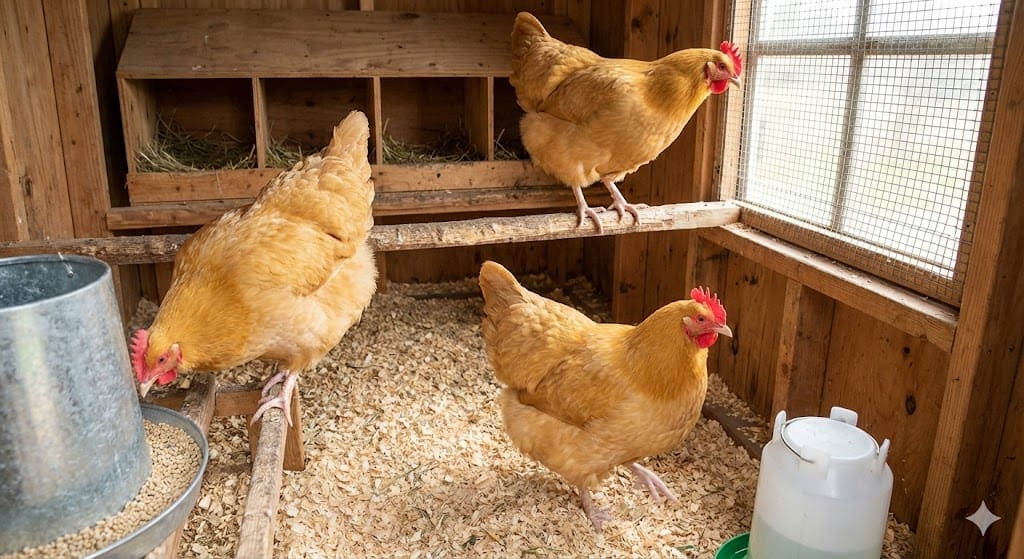
Based on my experience and the available research, here are the most impactful factors for maximizing your Buff Orpington’s life expectancy:
Nutrition
Consistent, quality nutrition throughout life stages supports longevity:
- Starter feed (21% protein): Day 1 to 8 weeks
- Grower feed (18% protein): 8 weeks to first egg
- Layer feed (16% protein): First egg through productive life
- Oyster shell: Free choice for calcium supplementation
- Grit: For proper digestion
Avoid overfeeding treats. Buff Orpingtons will eat everything you offer, but treats should be limited to 10% or less of their diet.
Predator Protection
As noted earlier, predators shorten Buff Orpington lives more than genetics or disease. Invest in:
- Secure coops with predator-proof latches
- Hardware cloth (not chicken wire) over openings
- Buried aprons or floors to prevent digging
- Secure nighttime housing
Climate Management
Cold climates: Buff Orpingtons excel here. Their dense feathers provide excellent insulation. Ensure draft-free coops with good ventilation.
Hot climates: Take extra precautions. Provide shade, multiple water sources, frozen treats, and consider misters or fans during heat waves. Monitor closely for heat stress symptoms.
Stress Reduction
Chronic stress shortens chicken lifespans. Minimize stress by:
- Avoiding sudden changes in routine or environment
- Providing adequate space (4+ square feet per bird indoors, 10+ outdoors)
- Protecting from predator scares
- Managing flock dynamics to prevent bullying
Regular Health Monitoring
Catching problems early dramatically improves outcomes. Weekly health checks should include:
- Visual inspection of eyes, nostrils, and vents
- Checking for parasites
- Monitoring weight and body condition
- Observing behavior and social interactions
- Noting egg production patterns
Our comprehensive chicken health check guide walks through the complete process.
What Are the End of Life Signs for Chickens?
Recognizing end of life signs for chickens helps you provide comfort care and make humane decisions when necessary.
Physical Signs
Dramatic weight loss: Despite eating normally, the bird loses muscle mass and becomes thin. This often indicates internal disease or cancer.
Labored breathing: Difficulty breathing, especially at rest, suggests serious respiratory or cardiovascular problems.
Inability to walk or stand: Progressive weakness, especially in the legs, may indicate Marek’s disease, tumors, or other serious conditions.
Pale or discolored comb: A normally red comb that becomes pale, purple, or blue indicates circulatory problems.
Distended abdomen: Fluid accumulation (ascites) or internal tumors can cause abdominal swelling.
Behavioral Signs
Isolation: A normally social chicken that consistently separates from the flock is often unwell.
Stopped eating and drinking: Complete refusal of food and water for more than 24 hours is serious.
Inability to roost: Chickens instinctively roost at night. A bird that cannot or will not roost may be dying.
Eyes closed during the day: Healthy chickens are alert. Closed eyes during waking hours indicate serious illness.
Making End of Life Decisions
This is the hardest part of keeping chickens. When quality of life has deteriorated and recovery is unlikely, humane euthanasia may be the kindest option. Our guide on when to call the vet for a backyard chicken helps you evaluate when professional intervention is needed.
How to Tell the Age of a Buff Orpington
Knowing how to tell age of Buff Orpington chickens helps when purchasing birds or evaluating your flock’s productivity expectations.
Physical indicators of age:
| Age Indicator | Young Bird (Under 2 years) | Older Bird (3+ years) |
|---|---|---|
| Leg scales | Smooth, tight | Rough, raised, thickened |
| Spur length (roosters) | Short, rounded | Long, sharp, curved |
| Feather condition | Bright, glossy | May appear duller, worn |
| Comb/wattles | Bright red, firm | May appear paler or less vibrant |
| Vent appearance | Moist, pink, oval | Drier, larger opening |
| Laying frequency | Consistent | Sporadic or stopped |
Behavioral indicators:
- Younger hens are more active and curious
- Older hens tend to be calmer and more established in the pecking order
- Senior birds may move more slowly and spend more time resting
Planning for Flock Retirement: When to Replace Laying Hens
Practical flock management requires planning for the natural decline in egg production. Many experienced keepers plan to replace layers after 3 to 4 years of production, though this varies based on your goals.
Options for aging Buff Orpingtons:
- Keep as companion birds and pest controllers
- Use as broody mothers for hatching eggs
- Maintain as flock leaders who mentor younger birds
- Process for stew meat (older birds are too tough for roasting)
I have found that my older Buff Orpingtons earn their keep even without laying. Goldie, now past her prime production years, still contributes by alerting the flock to danger, teaching young pullets where to roost, and providing pest control in the garden.
Do Buff Orpingtons Like to Be Held?
This question comes up frequently, and the answer is a resounding yes. Buff Orpingtons are famous for their docile, affectionate temperament. According to the Chicken Experts survey, 73% of owners agreed that Orpington hens are calm and affectionate compared to other breeds.
Temperament characteristics:
- Calm and patient
- Enjoy human interaction
- Tolerate handling well
- Great with children
- Often described as “lap chickens”
- Will follow owners around the yard
One backyard chicken resource describes them as “the Golden Retriever of the chicken world” due to their friendly, loyal nature. This temperament makes them ideal for families and first-time chicken keepers.
However, their docile nature has a downside: they can be picked on by more aggressive flock members and are “not particularly predator savvy.” Their trusting nature makes proper predator protection even more important.
Buff Orpington Height and Size Specifications
Understanding Buff Orpington height and size helps with housing planning and recognizing healthy development.
Standard Buff Orpington specifications:
| Measurement | Hens | Roosters |
|---|---|---|
| Weight | 7 to 8 lbs | 10 to 11 lbs |
| Height | 12 to 15 inches | 14 to 18 inches |
| Bantam weight | 3 to 3.5 lbs | 3.5 to 4 lbs |
Their substantial size classifies them as a “heavy” or “large fowl” breed. This affects housing requirements, with recommendations of at least 4.5 square feet per bird in the coop rather than the standard 4 square feet for smaller breeds.
Blue Buff Orpington Life Expectancy
When people search for Blue Buff Orpington life expectancy, they are usually asking about Blue Orpingtons, which are a separate color variety of the same breed. (Note: “Buff” refers to the golden-yellow color, so “Blue Buff” is technically contradictory.)
Blue Orpington life expectancy is the same as Buff Orpingtons: 5 to 10 years. The color variety does not affect lifespan. All Orpington color varieties (Buff, Blue, Black, White) share the same genetics, temperament, and health characteristics.
The only differences between color varieties are:
- Feather pigmentation
- Availability (Buff is most common; Blue, Black, and White are less common and may cost more)
- Show standards for coloring
Bantam Buff Orpington Lifespan
Bantam Buff Orpingtons share the same lifespan expectations of 5 to 8 years as their standard-sized counterparts. According to Mile Four’s breed guide, bantam Buff Orpingtons weigh just above 2 pounds compared to the 7 to 8 pound standard variety.
Their smaller size does not significantly affect longevity, though bantams may face increased vulnerability to predators due to their diminutive stature. Some keepers report bantams being more agile and better at evading threats, potentially offsetting this risk.
Maximizing Your Buff Orpington’s Golden Years
After raising Buff Orpingtons for several years, here is what I have learned about helping them live their longest, healthiest lives:
The First Year Matters Most
How you raise your Buff Orpington chick affects her entire life. Proper nutrition, vaccination if appropriate for your area, and stress-free brooding establish a foundation for long-term health.
Manage Weight Throughout Life
Their love of food is endearing but dangerous. I have shifted from free-choice feeding to scheduled feeding times for my Buff Orpingtons, and I have seen healthier weights and fewer laying issues as a result.
Plan for Reduced Laying
Accept that egg production will decline. Rather than culling older birds, consider keeping them as:
- Companion animals
- Broody mothers for hatching
- Flock leaders who teach younger birds
- Garden pest controllers
Create a Low-Stress Environment
Buff Orpingtons thrive in calm, predictable environments. Avoid sudden changes, protect them from predator scares, and provide adequate space for their large size.
Frequently Asked Questions on Buff Orpington life expectancy
What is the lifespan of a Buff Orpington chicken?
Buff Orpingtons typically live 5 to 10 years, with most birds averaging 7 to 8 years under good care. Factors affecting lifespan include predator protection, nutrition, climate management, and genetics. Hens may live slightly shorter lives than roosters due to egg production stress.
What are the health issues with Orpingtons?
Common Buff Orpington health issues include egg-laying disorders (egg binding, egg yolk peritonitis, oviduct prolapse), obesity from their tendency to overeat, bumblefoot due to their heavy weight, heat stress in hot climates, and external parasites that hide in their dense feathers.
Do Buff Orpingtons like to be held?
Yes, Buff Orpingtons are famous for being calm, affectionate birds that enjoy human interaction. Survey data shows 73% of owners agree they are calm and affectionate compared to other breeds. They are often called “lap chickens” and make excellent pets for families with children.
What are the end of life signs for chickens?
End of life signs in chickens include dramatic weight loss, labored breathing, inability to walk or stand, pale or discolored comb, distended abdomen, isolation from the flock, stopped eating and drinking, inability to roost, and keeping eyes closed during the day.
How long do Buff Orpingtons lay eggs?
Buff Orpingtons lay productively for 4 to 5 years, with peak production during years 1 to 2 (220 to 280 eggs annually). Production gradually declines after age 3, and by year 6+, many hens lay only 40 to 100 eggs annually or stop entirely.
Are Buff Orpington roosters aggressive?
No, Buff Orpington roosters are known for being unusually gentle for roosters. They share the calm, docile temperament of the hens. This makes them good choices for keepers who want a rooster but are concerned about aggression, especially around children.
Do Buff Orpingtons handle cold weather well?
Yes, Buff Orpingtons are excellent cold weather birds. Their dense, fluffy feathering provides outstanding insulation. They continue laying through winter better than many breeds. However, they are not particularly heat hardy and need extra care in hot climates.
How big do Buff Orpingtons get?
Standard Buff Orpington hens weigh 7 to 8 pounds and stand 12 to 15 inches tall. Roosters weigh 10 to 11 pounds and stand 14 to 18 inches tall. Bantam varieties are much smaller at 3 to 3.5 pounds for hens.
When do Buff Orpingtons start laying?
Buff Orpingtons begin laying at 20 to 22 weeks of age (approximately 5 to 6 months). The first eggs may be small or irregular, but size and consistency improve within a few weeks as the hen’s reproductive system matures.
Can Buff Orpingtons live 10 years?
Yes, though it is not common. With excellent care, protection from predators, proper nutrition, and good genetics, some Buff Orpingtons reach 10 years or occasionally beyond. The quality of care significantly affects whether a bird reaches the upper end of the lifespan range.
What is the oldest Buff Orpington on record?
While verified records of the oldest Buff Orpington are rare, anecdotal reports from backyard keepers suggest some birds live well into their teens with exceptional care. Most experienced chicken keepers report their oldest Buff Orpingtons reaching 10 to 12 years. The breed’s hardy constitution, noted by Mile Four as having no specific disease susceptibility, combined with their calm temperament contributes to potential longevity when protected from predators and provided proper nutrition. The primary factors limiting lifespan are predation, reproductive disorders in hens, and heat stress rather than genetic predisposition to short lives.
My Final Thoughts on Buff Orpington Longevity
Having raised Buff Orpingtons alongside Australorps, Easter Eggers, and various tropical breeds, I can say that Orpingtons reward their keepers with years of companionship, consistent eggs, and gentle personalities. Their 5 to 10 year lifespan means committing to a bird that will be part of your life for nearly a decade.
The 92% owner satisfaction rate from the Chicken Experts survey speaks volumes. These are birds that people love keeping and would choose again. Their health challenges are manageable with good husbandry, and their temperament makes them a joy to work with even in their senior years.
If you are considering adding Buff Orpingtons to your flock, our complete Buff Orpington chicken guide covers everything from purchasing to daily care. And for those wondering about the initial investment, our guide on how much does a Buff Orpington cost breaks down current pricing.
Whether they live 5 years or 10, Buff Orpingtons make every year count with their golden feathers, gentle clucks, and unwavering loyalty to the people who care for them.

Oladepo Babatunde is the founder of ChickenStarter.com. He is a backyard chicken keeper and educator who specializes in helping beginners raise healthy flocks, particularly in warm climates. His expertise comes from years of hands-on experience building coops, treating common chicken ailments, and solving flock management issues. His own happy hens are a testament to his methods, laying 25-30 eggs weekly.