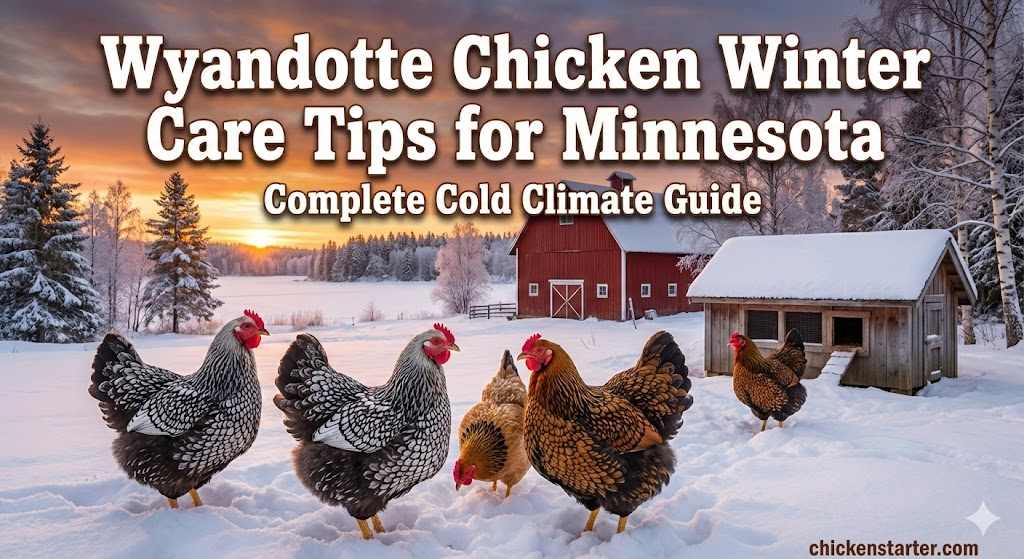
My first Minnesota winter with chickens was a disaster waiting to happen. I had read generic winter care guides, but nothing prepared me for the reality of caring for a flock when temperatures dropped to minus 25 degrees Fahrenheit during a January polar vortex. That winter, I learned that breed selection matters enormously, and my decision to keep Wyandotte chickens saved my flock from the frostbite that devastated my neighbor’s Leghorns.
After connecting with dozens of Minnesota chicken keepers and researching extensively for this climate, I can confidently say that Wyandotte chickens are among the best cold hardy chicken breeds for surviving Minnesota’s brutal climate. But even the hardiest breed needs proper preparation and care when facing months of sub-zero temperatures, heavy snowfall, and limited daylight hours.
This guide covers everything you need to know about keeping Wyandotte chickens healthy and productive through a Minnesota winter, from October preparation through April’s mud season.
Why Wyandottes Are the Ideal Breed for Minnesota Winters
Not all chicken breeds handle cold equally. Wyandottes possess specific physical characteristics that make them exceptionally well-suited to Minnesota’s harsh climate.
The Rose Comb Advantage: Resisting Frostbite
The single most important feature that makes Wyandottes ideal for Minnesota winters is their rose comb. Unlike breeds with large single combs that have exposed points and edges, the rose comb sits flat against the head with minimal exposed surface area.
According to Thrifty Homesteader, the Wyandotte’s rose comb is broad and flat, characterized by its close-fitting, oval shape with tiny rounded points covering the surface. This comb type is more resistant to frostbite than other comb types, making Wyandottes excellent for colder climates.
According to Mile Four, Silver Laced Wyandottes have broad, rounded bodies with dense feathering that provides insulation in cold weather, and their rose combs sit low against the head, reducing the risk of frostbite compared to single-combed breeds.
Frostbite occurs when moisture on exposed tissue freezes, damaging the cells. Large single combs, especially those with tall points, are extremely vulnerable because they have poor blood circulation at the tips and maximum exposure to cold air. I have watched neighbors lose entire combs on their Rhode Island Reds during cold snaps, while my Wyandottes came through without a mark.
For detailed information on preventing and treating frostbite if it does occur, our guide on preventing and treating frostbite on chicken combs covers identification, treatment, and recovery.
Body Mass and Dense Under-Down Feathering
Wyandottes are a medium to heavy dual-purpose breed. This substantial body mass helps them maintain core temperature during cold weather. Smaller, lighter breeds like Leghorns burn calories faster trying to stay warm and often struggle in extreme cold.
According to the University of Minnesota Extension, heavier breeds such as Plymouth Rock, Wyandotte, Ameraucana and Orpington over-winter well. Smaller breeds have less feathering, or have large combs and wattles and may need extra care to stay warm, maintain body weight and keep healthy during cold weather.
Beyond their size, Wyandottes have exceptionally dense, fluffy under-feathering that provides outstanding insulation. According to Thrifty Homesteader, Wyandottes have dense feathering that provides effective insulation, helping them maintain body temperature even during the coldest months. When a Wyandotte fluffs up against the cold, that thick layer of down traps warm air close to the body, creating natural insulation that rivals any commercial down jacket.
I have noticed my Wyandottes voluntarily spending time outside on cold, sunny days when other breeds in mixed flocks refuse to leave the coop. Their feathering allows them to regulate temperature effectively even in conditions that send lighter-feathered breeds into hiding.
For more details on breed characteristics, our Wyandotte chicken complete guide covers everything from color varieties to temperament.
Minnesota Climate: Where Wyandottes Thrive
Minnesota spans USDA Hardiness Zones 3 and 4, with northern regions experiencing average minimum temperatures of minus 30 to minus 40 degrees Fahrenheit. Even the Twin Cities metro area regularly sees extended periods below zero.
According to discussions on BackYard Chickens forum, experienced Minnesota keepers report that dry chickens with wind protection will do fine below zero, with minus 35 degrees Fahrenheit being as cold as some have experienced without losing birds. Wyandottes, with their cold-hardy characteristics, thrive in exactly the climate conditions Minnesota provides.
Winter Chicken Coop Minnesota: Winterization for the Upper Midwest
A well-prepared coop is the foundation of successful winter chicken keeping in Minnesota. The goal is protecting your flock from wind and moisture while maintaining adequate ventilation to prevent respiratory issues.
Ventilation vs. Drafts: Getting the Balance Right
This is where many Minnesota chicken keepers make mistakes. They seal their coops completely against cold air, thinking they are protecting their birds. In reality, sealed coops trap moisture from breathing and droppings, creating the humid conditions that cause frostbite and respiratory disease.
According to the University of Minnesota Extension, air exchange within a coop is key to preventing moisture build-up and poor air quality due to ammonia. High moisture in a coop, combined with cold temperatures can lead to condensation, which can cause frostbite.
According to Thrifty Homesteader, what really causes frostbite on combs is moisture. If you have chickens in a coop that is insulated without proper ventilation, moisture will build up and they are more likely to get frozen combs.
A helpful guideline is keeping ventilation openings well above roosting height. I aim for at least 12 inches above where my birds sleep. Cold air sinks, so vents near the ceiling allow warm, moist air to escape without creating drafts at bird level. I use adjustable vents that I can partially close during the worst polar vortex events while still maintaining some airflow.
Draft protection focuses on the areas where chickens roost and nest. Seal gaps, cracks, and holes at roosting height and below. The sleeping area should be free of air movement while the upper coop allows moisture to escape.
Our guide on how much ventilation does a chicken coop need provides detailed calculations and placement recommendations.
The Deep Litter Method: Natural Heat in the Coop
The deep litter method is particularly valuable for Minnesota winters because the decomposing organic material generates heat.
According to the University of Minnesota Extension, you can deeply bed the coop with 4 to 6 inches of straw or shavings. As the top layer becomes soiled, stir the bedding to allow the manure to move to the bottom, then add fresh bedding to the top. This option will provide some natural heat as the manure decomposes but requires a deep cleaning in the spring.
Start building your deep litter in early fall by laying down 4 to 6 inches of carbon-rich bedding like pine shavings or straw. As chickens add droppings, stir the litter occasionally and add fresh bedding on top. The microbial activity that breaks down the manure produces gentle, consistent heat.
By mid-winter, my deep litter reaches 8 to 12 inches deep and noticeably warms the coop floor. The chickens scratch through it constantly, which aerates the material and keeps the decomposition process active. In spring, I remove the composted material for garden use and start fresh.
For detailed temperature data from deep litter systems, our deep litter method temperature study documents actual measurements from cold climate coops.
Insulation Strategies for Sub-Zero Temps
While Wyandottes can handle cold without supplemental heat, proper insulation makes the coop more comfortable and reduces the energy your birds expend staying warm.
According to Thrifty Homesteader, one experienced keeper notes that when they built their chicken house they had plans to insulate it, but never got around to it that first year, then went through winter and realized their chickens were totally fine. However, in extremely cold climates, some insulation can help.
According to the University of Minnesota Extension, if your coop is unfinished, consider insulating the interior to help retain heat. Make sure the insulation is closed off to prevent chickens from pecking or scratching at it, but also to keep rodents out.
Focus insulation efforts on:
Walls: Rigid foam board between studs, covered to prevent pecking. Rigid foam board insulation (R-5 to R-10 value) costs approximately $20 to $40 per 4×8 sheet and provides significant temperature improvement in Minnesota coops.
Ceiling: This is where most heat escapes, so prioritize ceiling insulation
Floor: If your coop sits on frozen ground, consider insulating the floor or using thick deep litter
I do not recommend wrapping coops in plastic or tarps on all sides. This creates moisture problems and blocks the ventilation you need. Instead, use breathable insulation materials and maintain your ventilation openings.
For those building or upgrading coops, our guide on cold weather chicken coops covers construction techniques specific to cold climate requirements. While that guide covers universal principles, this article focuses specifically on Wyandotte chickens in Minnesota’s unique climate conditions.
Moisture Control to Prevent Chicken Frostbite
Moisture is your enemy in winter. Wet conditions lead to frostbite, ammonia buildup, and respiratory infections. Minnesota’s cold, dry air actually helps with moisture control if you manage it correctly.
According to Strong Animals Chicken Essentials, proper airflow prevents moisture buildup, which reduces the risk of frostbite on combs and wattles. Whether it is hot or cold outside, ventilation is vital for your flock’s health.
According to the University of Minnesota Extension, chicken manure is 70% water, which makes manure management key to controlling moisture in your coop. Manure tends to build up under roosts and other perching sites. Installing trays to collect manure below roosts can make cleaning easy.
Key moisture sources to control:
- Water spillage: Use heated bases or nipple waterers that prevent spills
- Droppings: Deep litter absorbs moisture; remove wet spots promptly
- Snow tracked in: Place bedding near the pop door to absorb moisture from feet
- Breathing: Adequate ventilation removes the moisture chickens exhale
If you smell ammonia in your coop, you have a moisture or ventilation problem that needs immediate attention. Ammonia damages respiratory tissue and makes birds more susceptible to illness.
Nutrition and Hydration in Freezing Temperatures
Winter nutrition requirements differ from summer. Your Wyandottes need more calories to maintain body heat while water access becomes a constant management challenge.
Keeping Water Liquid: Heated Bases vs. Nipple Systems
Frozen water is the most consistent challenge of Minnesota winter chicken keeping. Chickens need access to liquid water throughout the day and will become dehydrated quickly without it.
According to the University of Minnesota Extension, routinely check and refresh your chicken’s water. If it is frozen, you may need to bring it into a heated area such as a garage or porch to allow it to thaw. It is a good idea to have a second waterer on hand in case one freezes or stops working.
Heated waterer bases sit under standard metal or plastic waterers and keep water above freezing. They work well but require electricity in the coop. Heated waterer bases like those from Farm Innovators or API range from $30 to $60 and can save hours of daily water management during Minnesota winters.
Heated nipple bucket systems use aquarium heaters or bucket heaters inside an enclosed container with nipple outlets. According to Strong Animals, using an electric nipple waterer instead of an open bowl helps because open waterers can wet chickens’ heads and feet, increasing the risk of frostbite when it is freezing out.
Manual replacement involves swapping frozen waterers for fresh ones multiple times daily. This works for small flocks but becomes exhausting during extended cold spells.
I use a combination approach: a heated base waterer inside the coop and a nipple bucket in the covered run that I swap out twice daily when temperatures drop below zero.
For non-electric options, our guide on keeping chicken water from freezing without electricity covers creative solutions for off-grid situations.
High-Fat Winter Diets: Why Corn and Scratch Matter
During Minnesota winters, I adjust my Wyandottes’ diet to include more calories and fat. The extra energy helps them maintain body temperature during cold nights.
According to the University of Minnesota Extension, a flock’s feed intake may increase up to 25% during cold weather. Be sure to have extra feed on hand and top off feeders routinely.
Scratch grains provide quick energy and should be offered in late afternoon so birds have fuel to burn overnight. Cracked corn is particularly high in calories. I increase scratch from about 10% of diet in summer to 15-20% in winter.
Protein remains important for feather maintenance and egg production. According to Thrifty Homesteader, providing a well-balanced, protein-rich diet is crucial for maintaining a Wyandotte’s egg production. Layers’ feed with 16-18% protein is ideal. Do not decrease protein; instead, add calories on top of their regular layer feed.
Kitchen scraps like cooked oatmeal, warm scrambled eggs, and vegetable trimmings provide variety and extra nutrition during the season when foraging is impossible.
Our guide on what to feed chickens in winter provides detailed nutrition recommendations for cold weather feeding.
Protein Boosters for Feather Health
Feathers are your Wyandottes’ primary insulation, and maintaining healthy plumage through winter requires adequate protein. Birds that molted in fall need protein to finish growing new feathers before the coldest weather arrives.
Good protein sources for winter include:
- Black oil sunflower seeds (high in protein and fat)
- Mealworms (dried or live)
- Cooked eggs
- High-quality layer feed (16-18% protein minimum)
I offer sunflower seeds as a daily treat through winter, and my Wyandottes’ feathers stay glossy and full even in February.
Health and Safety: Monitoring for Cold Stress
Even cold-hardy Wyandottes can experience problems during Minnesota winters. Knowing what to watch for helps you intervene before minor issues become serious.
Identifying Frostbite on Wattles and Combs
Despite their rose combs, Wyandottes can still get frostbite on wattle tips, especially roosters with larger wattles. Check daily during extreme cold.
According to Strong Animals Chicken Essentials, frostbite on chickens appears as black spots or areas on the tips of their comb or wattles. Depending on the severity of frostbite, the tissue will turn black, meaning it is dead and will not grow back. However, it does help protect the tissue underneath. You should never try to rub it or trim it off.
Early signs of frostbite:
- Pale or white coloration on comb or wattle tips
- Swelling
- Coldness to the touch compared to the rest of the comb
Progressing frostbite:
- Black or dark coloration
- Blistering
- Tissue that feels hard or crispy
According to Strong Animals, if one of your chickens gets frostbite, isolate them and warm slowly. If needed, bring the chicken inside to warm up, but avoid rapid heating. Do not use hair dryers or fireplaces. Instead, wrap them in a warm, dry towel.
According to the University of Minnesota Extension, you can apply petroleum jelly to chicken combs and wattles to help insulate them and prevent frostbite damage. Petroleum jelly does not treat frostbite, but it provides a protective barrier.
At What Temperature Do Wyandottes Get Frostbite?
According to Strong Animals Chicken Essentials, when temperatures drop below 32°F (0°C) with wind chill, chickens are at risk of getting frostbite, especially roosters and large comb breeds. However, frostbite risk depends more on humidity and wind than on temperature alone.
In a dry, draft-free coop, healthy Wyandottes with their rose combs can handle temperatures well below zero without frostbite. According to Thrifty Homesteader, one keeper notes that once in a while one of their roosters will lose a few tips on his comb, but hens are totally fine, even when temperatures get as low as 20 degrees below zero Fahrenheit.
The danger zone intensifies when:
- Temperatures drop below minus 10 degrees Fahrenheit with any moisture present
- Humidity in the coop exceeds 60-70% regardless of temperature
- Birds are exposed to drafts while roosting
- Combs or wattles are wet from drinking
How Cold Is Too Cold to Let Wyandottes Outside?
There is no hard and fast rule for how cold chickens can survive because it depends on breed, wind, and humidity. But here are some general guidelines from experienced Minnesota keepers:
Below 0°F: Consider keeping chickens confined to the coop or covered run. According to discussions on BackYard Chickens forum, dry chickens with wind protection will do fine below zero, but extended exposure without shelter is risky.
Single digits (1-9°F): Letting them out in the afternoon while keeping them in the run works well. This usually only happens a handful of times each Minnesota winter.
Above 10°F: Most Wyandottes will voluntarily go outside, especially on sunny days.
My Wyandottes will use a covered run even in cold weather if I shovel a path and lay down straw. They seem to appreciate the change of scenery even if they only stay out for 20 minutes.
Boredom Busters for Snow-Bound Flocks
Minnesota winters mean weeks when chickens cannot or will not leave the coop. Boredom leads to feather picking, bullying, and general stress.
Enrichment strategies that work:
- Hanging cabbage or lettuce heads for pecking entertainment
- Scatter feeding in deep litter to encourage natural scratching behavior
- Hay bales or logs for perching variety
- Mirrors (some birds enjoy these, others ignore them)
- Covered outdoor space where birds can access fresh air without standing in snow
Do Wyandotte Chickens Need Heat in Winter?
This is one of the most common questions I receive, and the answer is: usually no, but with nuance.
According to the University of Minnesota Extension, provide supplemental heat when coop temperatures fall below 35 degrees F. They recommend radiant heat sources that heat the birds but not the surrounding air space, including brooder plates, panels, and hanging heaters.
However, many experienced cold climate keepers disagree with heating except in extreme circumstances. According to Thrifty Homesteader, insulating the coop can cause moisture build-up, which will result in frozen combs as well as respiratory problems.
Supplemental heat creates several concerns:
- Fire risk from heat lamps (barn fires are tragically common)
- Power outage vulnerability (birds accustomed to heat cannot adjust if power fails)
- Moisture issues from heated air
- Birds that never acclimate to cold weather
I use heat only for chicks, sick birds, or in the most extreme circumstances. Even then, I prefer flat-panel radiant heaters over heat lamps. According to Strong Animals, adding a safe heat source can help, but they emphasize using radiant heaters rather than heat lamps.
Our guide on raising chickens in cold climates covers the heat question in more detail with specific recommendations for different situations.
Egg Production in Winter: What to Expect from Wyandottes
One advantage of Wyandottes is their tendency to continue laying through winter better than many other breeds.
According to Tractor Supply’s breed guide, Wyandottes tend to lay better in the winter than other breeds, but egg production still decreases during these months.
According to Mile Four, Wyandottes are known for reliable winter laying due to cold tolerance. Their rose comb gives them an advantage in winter, allowing them to continue producing when single-combed breeds may slow down due to frostbite or stress.
Many Minnesota keepers report their Wyandottes laying throughout winter, especially with supplemental lighting.
Supplemental Lighting for Winter Egg Production
According to the University of Minnesota Extension, for optimal egg production, chickens should have about 14 hours of light daily. You can provide light using a regular lamp and a timer.
Key recommendations for supplemental lighting:
- Provide supplemental lighting in the morning hours before sunrise
- If you add light after sunset, the chickens will not be able to find their roost when the light turns off
- After December 20, daylight increases naturally, so adjust your timer accordingly
- Setting the light to go off an hour or two before normal sunrise, starting around November and going until February, works well
According to Thrifty Homesteader, some people may provide supplemental lighting in the coop during the winter months, although they note that if Mother Nature thinks chickens deserve a break, they should get a break. This is a personal choice.
Minnesota Winter Timeline: October to April
Managing Wyandottes through a Minnesota winter requires different actions at different times. This timeline helps you prepare and respond appropriately.
Fall Prep: Sealing the Gaps (October to November)
October tasks:
- Complete final coop repairs and weatherproofing
- Begin building deep litter base (4 to 6 inches of bedding)
- Check birds for molt completion and general health
- Install heated waterer or water heating system
- Stock up on bedding, feed, and scratch
November tasks:
- Seal remaining drafts at roosting level
- Adjust ventilation for winter airflow
- Begin late afternoon scratch feeding routine
- Prepare for first hard freeze
- Consider starting supplemental lighting if desired
Mid-Winter: Managing the Polar Vortex (December to February)
This is the critical period when Minnesota temperatures can stay below zero for days or weeks at a time.
Daily routine:
- Morning: Check water, provide warm feed if desired, observe birds for health issues
- Midday: Check water again, offer treats or enrichment
- Late afternoon: Scatter scratch grains, final water check before sunset
- Evening: Quick roost check to ensure all birds are inside
Polar vortex protocol (extended periods below minus 20):
- Increase scratch and high-calorie treats
- Check water more frequently or use larger heated containers
- Apply petroleum jelly to combs and wattles as preventive measure
- Consider partially closing ventilation (but never completely)
- Add extra bedding for floor insulation
Early Spring: Transitioning and Mud Management (March to April)
March tasks:
- Begin watching for signs of spring laying increase
- Plan deep litter cleanout for when temperatures stabilize
- Watch for respiratory issues as temperatures fluctuate
- Prepare for mud season with run management
April tasks:
- Remove winter deep litter for composting
- Transition to spring feeding routine
- Open up coop ventilation as temperatures rise
- Address any lingering health issues before breeding season
Final Thoughts on Wyandotte Winter Care
After extensive research and conversations with Minnesota chicken keepers, I can say Wyandottes are genuinely well-suited to our challenging climate. Their rose combs, dense feathering, and calm temperament make them ideal for months of cold weather confinement.
The keys to success are:
- Proper coop preparation with ventilation and moisture control
- Adequate nutrition with increased calories during the coldest months
- Consistent access to liquid water
- Daily observation to catch problems early
- Enrichment to prevent boredom-related behaviors
With these elements in place, your Wyandottes will not just survive a Minnesota winter but will continue laying eggs and thriving while less hardy breeds struggle.

Oladepo Babatunde is the founder of ChickenStarter.com. He is a backyard chicken keeper and educator who specializes in helping beginners raise healthy flocks, particularly in warm climates. His expertise comes from years of hands-on experience building coops, treating common chicken ailments, and solving flock management issues. His own happy hens are a testament to his methods, laying 25-30 eggs weekly.