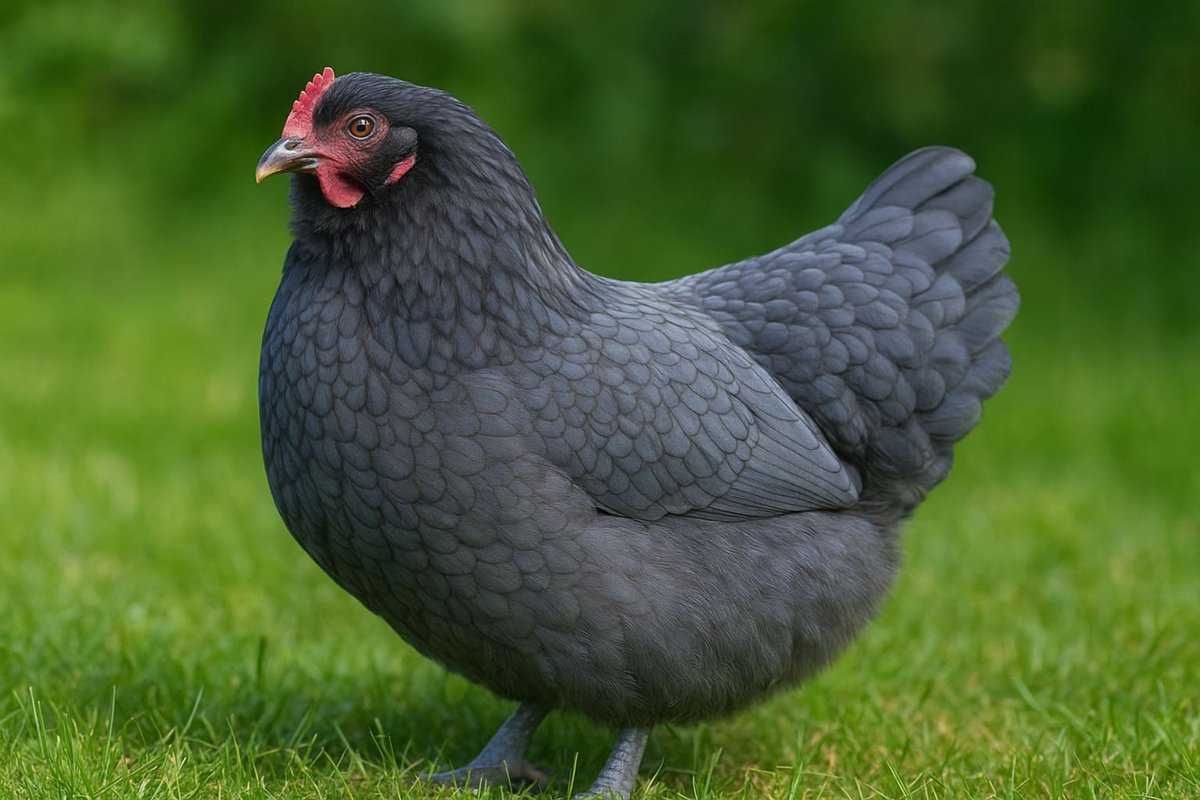
Picture this: you walk out to your chicken coop on a crisp morning and find a clutch of beautiful, sky-blue eggs waiting for you. It’s a little bit of magic, right? After raising backyard chickens for over a decade, that feeling never gets old. If that sounds like a dream, then you’ve likely heard of the Ameraucana chicken. These captivating birds are famous for their unique looks and, of course, those stunning eggs. But there’s so much more to them than just their egg color. They’re a hardy, friendly heritage breed perfect for backyard flocks all across the country. It’s all about choosing the right breed for beginners.
So, how do you even say their name? Let’s answer the common question: How to pronounce Ameraucana? While you might hear “ah-mer-ah-KAH-nah,” the pronunciation preferred by the Ameraucana Breeders Club and serious enthusiasts is “uh-MARE-uh-KAW-nuh”. Developed in the United States during the 1970s from blue egg-laying chickens descended from Chilean stock, the Ameraucana was bred to retain the blue egg gene while eliminating some tricky health issues and standardizing its unique traits.
In this complete guide, you’ll learn everything you need to know about the Ameraucana chicken, from identifying a true purebred to providing the best possible care for a happy, healthy flock. Ready to learn more?
Key Takeaways
- Blue Eggs Exclusively: True Ameraucanas only lay blue eggs.
- Moderate Production: Expect an average of 150-200 eggs per year.
- Climate Resilient: They are exceptionally cold hardy due to their small pea combs and fluffy beards.
- Official Breed: The Ameraucana was officially recognized by the American Poultry Association in 1984.
- Color Varieties: There are 10 official color varieties in the large fowl class, including Black, Blue, White, and the newest addition, Splash (APA=2023).
What is an Ameraucana Chicken?
So what makes an Ameraucana special? An Ameraucana chicken is a purebred, dual-purpose chicken breed officially recognized by the American Poultry Association (APA) in its Breed Standard of Perfection in 1984. Their scientific classification is Gallus gallus domesticus. They are most famous for one specific trait: all true Ameraucanas lay blue eggs. They are defined by a unique combination of physical features, including fluffy muffs and beard on their face, a pea comb, and slate legs. This specific combination of traits is what separates them from other blue egg layers and hybrids.
Here’s the deal, and it’s an important one I find myself explaining all the time: Ameraucanas are not the same as Easter Egger chickens. Not even close. Easter Eggers are hybrid chickens that have one blue-egg-laying parent, meaning they can lay a variety of colored eggs, including blue, green, olive, or even pinkish-brown. The term “Americana” is often a marketing trick by hatcheries to sell these hybrids. If you want consistently blue shelled eggs and predictable traits that you can pass down through generations of poultry breeding, you must get a true Ameraucana chicken.
This breed was developed in the USA to create a hardy, multi-purpose bird that is well-suited to various climates, making them a fantastic choice for backyard chickens. Now that you know what an Ameraucana is, let’s dive into the characteristics that make them so unique and recognizable.
What are the characteristics of Ameraucana chickens?
One of the most charming aspects of the Ameraucana is its distinct and adorable appearance. These birds are absolutely gorgeous! They have a look all their own that sets them apart from other common chicken breeds, combining utility with beauty. A true Ameraucana is defined by a strict set of standards, and the following Ameraucana characteristics are key identifiers.
Physical Characteristics
Size: Standard large fowl Ameraucanas are a medium-sized breed with a well-proportioned body. An Ameraucana hen typically weighs around 5.5 lbs, while an Ameraucana rooster weighs about 6.5 lbs. Bantam varieties are also available and are much smaller, weighing 26-34 oz, making them perfect for smaller backyard setups.
Muffs and Beard: Their most recognizable feature is their fluffy face! You’ll notice they have prominent muffs (cheek feathers) and a full beard that gives them a charming, almost owl-like look. According to the Ameraucana breed standard published by the Ameraucana Alliance, these features must be present together in a purebred bird. Disqualifications include the absence of beard and muffs. No exceptions.
Pea Comb: Ameraucanas have a small, low-profile pea comb, which is a triple row of small, fleshy “peas” running from the base of the beak to the top of the head. The center ridge sits slightly higher than the two outer ridges. This is a huge advantage in cold climates, as it dramatically reduces the risk of frostbite compared to breeds with large, single combs.
Legs: A key identifier is their leg color. When checking for true Ameraucanas, look at the legs: they should be slate blue, similar to the color of a stormy sky, not the olive-green of Easter Eggers. The color should be consistent down to their four toes.
Wattles and Skin: They have very small or nonexistent red wattles and white skin, another trait that helps with their cold hardy nature.
The Ameraucana Comb: Understanding the Pea Comb
The Ameraucana chicken comb is one of the most important identifying features of this breed, and understanding it can help you verify you have a true purebred bird.
What type of comb does an Ameraucana have?
All true Ameraucanas have a pea comb. This comb type features three lengthwise ridges running from the base of the beak toward the top of the head, with the center ridge sitting slightly higher than the two outer ridges. The name comes from its appearance, which sometimes resembles a row of peas placed side by side.
When I first started raising Ameraucanas back in 2018, the pea comb was one of the first things that struck me as different from my Leghorns and Wyandottes. It sits so close to the head that during my first winter with them, I barely thought about frostbite at all. Meanwhile, my single-combed roosters needed petroleum jelly on their combs every freezing night.
Why the Pea Comb Matters
The pea comb isn’t just an aesthetic feature. It serves a crucial practical purpose. Because the comb sits low against the head with minimal surface area exposed, Ameraucanas are highly resistant to frostbite. This makes them an excellent choice for raising chickens in cold climates. In my mixed flock, the Ameraucanas have never had a single frostbite issue, even during that brutal stretch in January 2024 when temperatures dropped below zero for a week straight.
Ameraucana Rooster Comb vs Hen Comb: Key Differences
While both roosters and hens have pea combs, there are noticeable differences between them:
| Feature | Ameraucana Rooster Comb | Ameraucana Hen Comb |
|---|---|---|
| Size | Larger and more pronounced | Smaller and more compact |
| Color | Brighter, vibrant red | Paler red, especially when not laying |
| Development | Requires wider base for proper development | Often extremely small with barely discernible serrations |
| Visibility | More prominent, easier to see | Can be almost hidden under head feathers |
In my experience, the comb difference becomes noticeable around 8 to 12 weeks of age. The cockerels’ combs start reddening and growing more noticeably, while the pullets’ combs remain small and pale. This can be a helpful sexing indicator, though it’s not foolproof.
Ameraucana Comb Care Tips
Even though pea combs are low-maintenance compared to large single combs, they still benefit from proper care:
- Winter Care: While frostbite is rare, keep the coop well-ventilated but draft-free. Moisture is more dangerous than cold. A dry coop prevents the condensation that can freeze on combs. For more detailed guidance, see our article on preventing and treating frostbite on chicken combs.
- Summer Care: In hot weather, a pale or shrunken comb can indicate heat stress or dehydration. Ensure ample fresh water and shade.
- Health Indicator: A healthy, laying hen will have a larger, brighter red comb than one who is not laying, molting, or unwell. The comb is like a dashboard indicator for your chicken’s overall health.
- Check for Parasites: During your regular chicken health checks, examine the comb for any discoloration, scabs, or signs of mites.
How to Verify a True Ameraucana by Comb Type
When someone asks me “How do I tell if my Ameraucana is purebred?”, the comb is one of the first things I check. A true Ameraucana will have:
- A pea comb (three ridges, center highest)
- Slate or blue-grey legs
- Muffs and beard present
- Blue eggs only
If your bird has a single comb, a rose comb, or any other comb type, it is not a purebred Ameraucana. It may be an Easter Egger or another mixed breed. This is why examining the Ameraucana chicken comb type is so important when purchasing birds.
Recognized Ameraucana Colors (APA Standard)
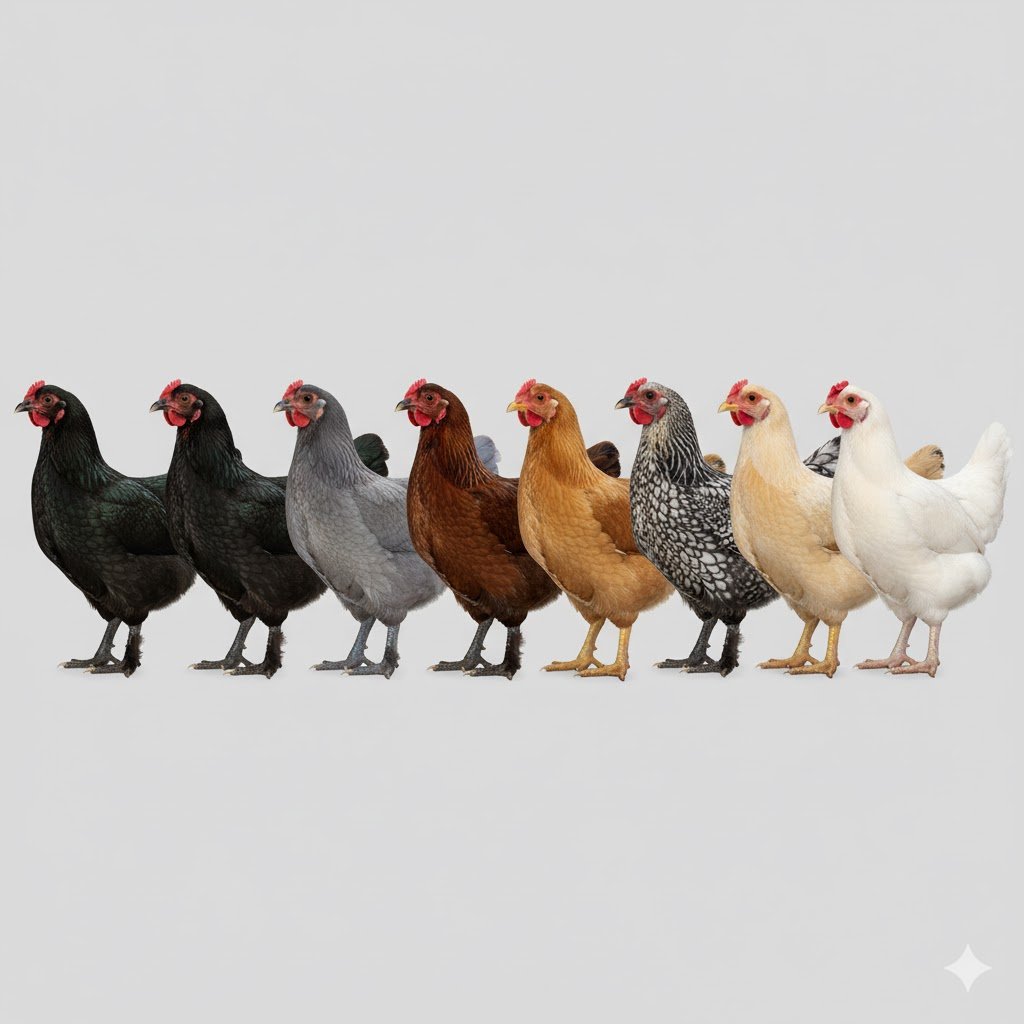
The APA officially recognizes eight color varieties for large fowl, with more recognized for bantams. Each has its own specific look that breeders work hard to perfect.
Black Ameraucana: A deep, solid black with an iridescent, beetle-green sheen in the sunlight. Truly striking.
Blue Ameraucana: A lovely, even slate-blue across the body. The hackles and saddle feathers are often a darker shade of blue, without any brassy tones.
Blue Wheaten Ameraucana: The hens are a soft, creamy wheaten color. Roosters are more colorful, with a blue head, breast, and tail, contrasted by reddish-gold hackles and saddle.
Brown Red Ameraucana: A classic, game-bird look. Hens have a dark brown head and black body, while roosters have a fiery orange-red head and hackles over a black body.
Buff Ameraucana: A warm, even golden-buff color throughout the entire bird. There should be no black, white, or off-colored feathers. It’s a very clean and classic look.
Silver Ameraucana: A beautiful pattern of silvery-white and black. Roosters have a striking silver head, hackles, and saddle over a black body. Hens are more subtly patterned.
Wheaten Ameraucana: Hens are a delicate, creamy wheaten color, similar to a stalk of wheat. Roosters are a vibrant mix of fiery red on the head and back, with a black breast and tail.
White Ameraucana: A pure, snow-white from head to tail, with no yellowing or “brassy” tones.
Splash Ameraucana (APA=2023): The newest APA-recognized variety. Splash birds have a white or light grey base color with irregular “splashes” of blue or black scattered across their plumage. No two Splash birds look exactly alike, making each one unique. This variety was officially admitted to the APA Standard in 2023.
In the bantam class, another stunning recognized variety is the Self Blue (Lavender) Ameraucana, which was admitted to the APA Standard in 2020.
The Allure of the Lavender Ameraucana
You’ll often hear chicken keepers raving about the Lavender Ameraucana, and for good reason. This variety, also known as Self Blue, has a beautiful, soft, light-grey plumage that looks like it’s been washed in lavender. It’s a stunning and popular color. A Lavender Ameraucana hen will have this even coloration all over her body. Genetically, this color is caused by a recessive gene (lav/lav) that dilutes both black and red pigments, resulting in that signature lavender hue.
The great news for show enthusiasts is that the Self Blue variety was officially admitted to the APA Standard in 2020, meaning these gorgeous birds can now be shown as a recognized color in both large fowl and bantam classes.
How to Identify True Ameraucanas
With so many Easter Eggers being sold, it can be tricky. Here’s the bottom line: to be sure you have a purebred Ameraucana, look for this specific combination:
- Slate legs (never green)
- Lays only blue eggs
- Has a pea comb, muffs, and a beard
- Has a full tail (unlike the rumpless Araucana)
Identifying Ameraucana Chicks
Identifying a purebred chick can be tough, but there are clues. All Ameraucana chicks, regardless of their eventual color, should hatch with a pea comb and tiny little cheek muffs already visible. Their legs should be dark. For specific colors like the Black Ameraucana, the Black Ameraucana chicks will be predominantly black, often with a creamy white or grey patch on their chest, belly, and sometimes the tips of their wings. This is a good sign you’re on the right track!
These specific physical traits are key, but the confusion often comes from their close relation to other blue egg layers. Let’s break down those critical differences so you can be confident in what you’re getting.
What is the difference between an Easter Egger and Ameraucana?
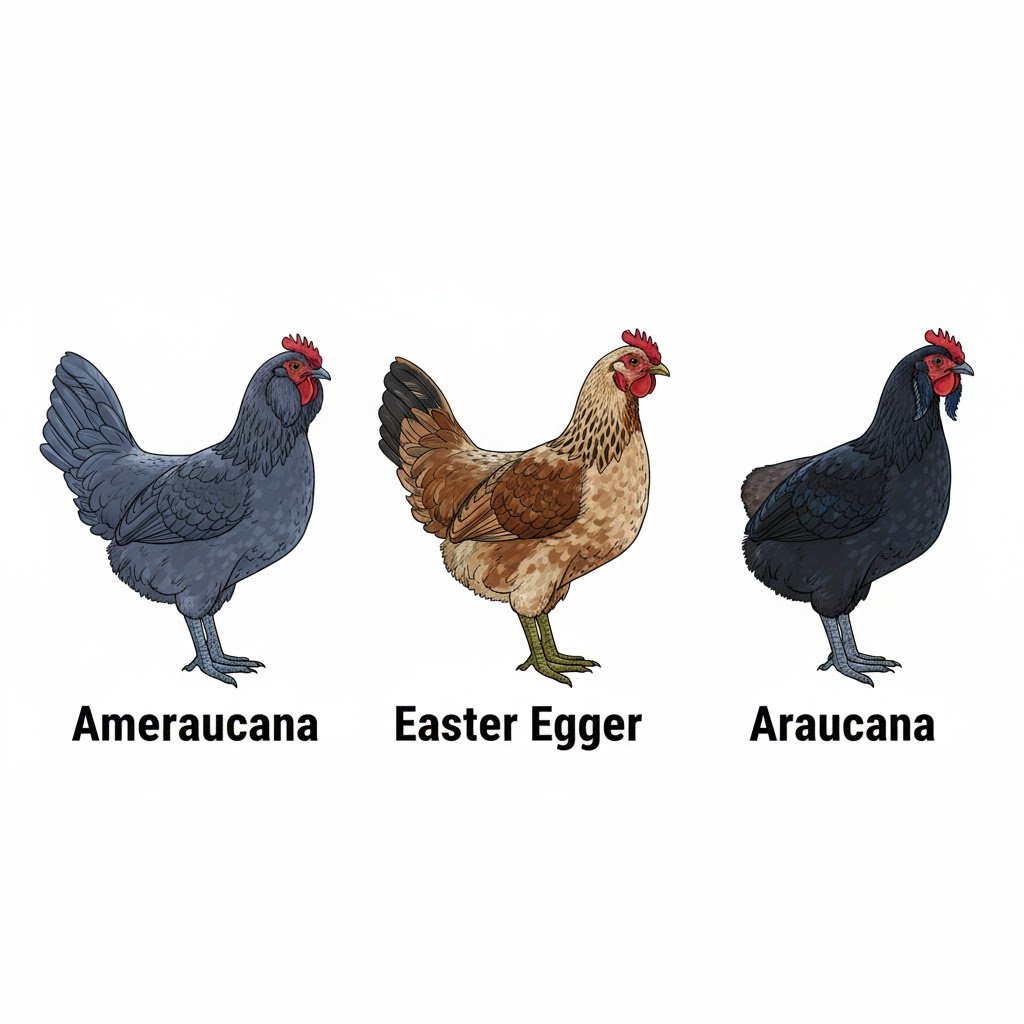
This is one of the most confusing topics for new chicken keepers, yet it’s the most important for ensuring you get the bird you want. These three are all related by chicken genetics to the blue egg gene, but they are physically distinct. Understanding these differences will save you from potential disappointment. Avoiding this confusion is one of the mistakes every first-time chicken keeper makes.
Quick Comparison: Ameraucana vs. Easter Egger
- ✗ Easter Egger: Mixed breed, variable egg colors (blue, green, olive, brown), no breed standard.
- ✓ Ameraucana: Purebred, blue eggs only, meets the APA recognized standard.
To dive deeper, read our complete Easter Egger Chicken Guide.
| Feature | Ameraucana | Easter Egger (Hybrid) | Araucana |
|---|---|---|---|
| Breed Status | APA recognized breed | Not a recognized breed | APA recognized breed |
| Egg Color | Blue only | Blue, green, pink, brown, olive | Blue only |
| Face Features | Muffs and beard | Variable (can have muffs, beard, or neither) | Ear tufts (feathers from skin tabs) |
| Tail | Yes, full tail | Yes, full tail | No tail (rumpless) |
| Leg Color | Slate blue or black | Usually green or olive-green | Usually slate blue or willow-colored |
| Comb Type | Pea comb | Variable | Pea comb |
| Chick Price | Higher ($8 – $25+) | Lower ($3 – $7) | High (often very expensive and rare) |
Common misspellings like “Americana” are almost always used to sell Easter Eggers. Knowing these differences matters because if you pay a premium for an Ameraucana for sale, you should get a purebred bird. An Easter Egger is a wonderful backyard bird, but it is not an Ameraucana.
Why Breeding True Matters: A Deeper Genetic Dive
Here’s something interesting that really separates the pros from the newcomers in the chicken world: understanding why “breeding true” matters. It all comes down to simple genetics.
Ameraucanas (Purebreds): As a standardized breed, when you breed a purebred Ameraucana rooster to an Ameraucana hen, their offspring will have the same predictable traits: slate legs, muffs, beards, pea combs, and they will lay blue eggs. They breed true to their standard.
Easter Eggers (F1 Hybrids): An Easter Egger is typically an F1, or first-generation, hybrid. This means it’s the direct offspring of two different purebred chickens, for instance, a blue-egg-laying Ameraucana and a brown-egg-laying Leghorn. This F1 generation gets a mix of genes, resulting in the ability to lay green or blue eggs, but their own appearance can be quite variable.
The Genetic Lottery (F2 Generation): Here’s the key part. If you breed two Easter Eggers together (creating an F2, or second-generation), you’re entering a genetic lottery. The chicks could look like anything. Some might have beards, some won’t. Some might have green legs, others yellow. Some might lay green eggs, others might revert to laying brown eggs. Because their genetic makeup is so mixed, they do not breed true, and you cannot predict the outcome.
Now that we’ve cleared up the critical issue of identity, let’s focus on what makes the Ameraucana a star in the coop: its beautiful eggs.
Ameraucana Egg Production & Quality
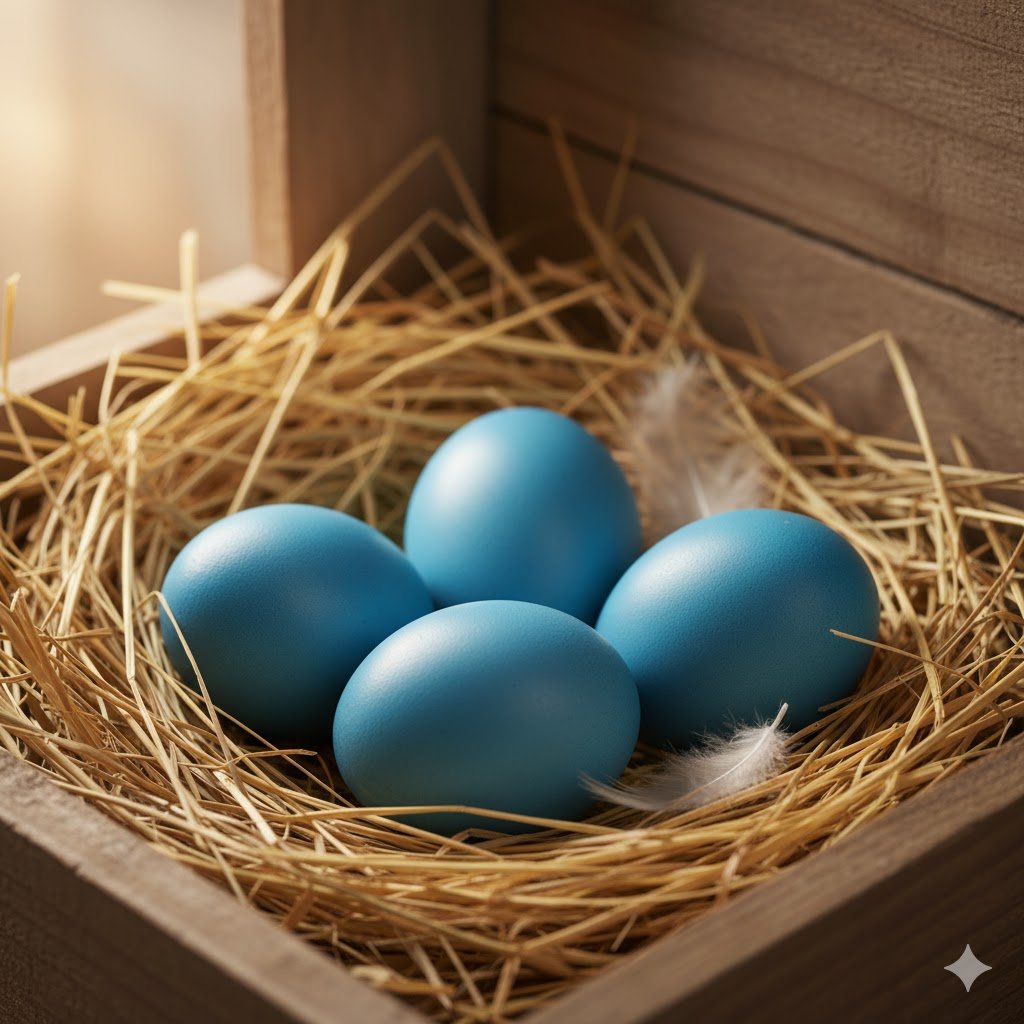
While famous for their egg color, what can you actually expect from an Ameraucana hen? They are valued for the quality and uniqueness of their Ameraucana chicken eggs, not the sheer quantity.
Ameraucana Chicken Eggs Overview
The Science of a Blue Egg: That beautiful blue color isn’t just on the surface. It comes from a pigment called oocyanin, which is a byproduct of bile. This pigment is applied early in the shell-making process and permeates the entire shell. So, unlike a brown egg where the color can be scrubbed off, a blue egg is blue all the way through. This fascinating trait was inherited from their Araucana chicken breed ancestors from South America.
Egg Size: They lay medium-sized eggs, though some sources report medium to large.
Production Numbers: A healthy Ameraucana hen will lay 3 to 4 medium blue eggs per week, meaning you can expect about 150 to 200 eggs annually if she maintains good health. Their peak production usually occurs in their first two years. Learn more about chicken lifespan and productive years.
At what age do Ameraucanas start laying?
Ameraucana pullets typically begin laying between 5 and 7 months of age. This laying age is slightly later than production breeds. Some strains, particularly those from show lines, may not start laying until 10 months old. According to Mile Four’s breed guide, some keepers have noted that Ameraucanas might not lay their first egg for seven months or even longer. Factors like diet, season, and overall health also influence the start of laying. A little patience is required.
Are Ameraucanas good egg layers?
Let’s be honest. They are considered moderate to good egg layers. They won’t out-lay a production hybrid, but they are reliable. According to Practical Self Reliance, you’ll find they lay an average of 3 to 4 eggs per week during the egg-laying season. The bottom line is, people don’t choose an Ameraucana chicken for sheer volume; they choose them for the delightful experience of collecting blue eggs. They are also known for being consistent winter layers, which is a huge plus.
Seasonal Egg Production Patterns
One of the great things about Ameraucanas is their tendency to lay through the winter better than many other breeds. One winter, despite temperatures dropping to -15°F, my Ameraucanas were some of the only hens in my mixed flock that continued laying, albeit less frequently. It was a welcome surprise. This consistent laying is a huge benefit of proper winter coop preparation. However, like all chickens, they will stop laying during their annual molt (usually in the fall) as they need to divert all their energy into growing a new set of feathers.
Okay, so you’ve got the scoop on their beautiful blue eggs. Now, let’s talk about what it takes to keep these birds happy and healthy.
What are the care requirements for Ameraucana chickens?
One of the best Ameraucana characteristics is that they are a low-maintenance, hardy breed. Their Ameraucana care requirements are straightforward, making them great for beginners. Your Ameraucanas will be happy with just the basics done right.
Housing and Space Needs
Chicken Coop: Provide 3 to 4 square feet of indoor chicken housing per bird. See our complete guide to chicken coop sizing for more details. Ensure the coop is well-ventilated but draft-free. For example, I’ve found that a coop with a 4’x8′ footprint (32 sq ft) can comfortably house 6 to 8 Ameraucanas, giving them plenty of room without being crowded.
Run Space: Ameraucanas are active foragers and appreciate room to roam. Aim for at least 8 to 10 square feet of outdoor space per chicken. A secure run is essential for predator protection.
Roosts: They will need about 8 to 10 inches of roosting bar space per bird.
Nesting Boxes: A standard 12″x12″ nesting box is perfect. Provide one for every 3 to 4 hens.
Nutrition and Feeding
Proper chicken nutrition is key to good health and steady egg production.
Feed: From hatching to 18 weeks, feed your Ameraucana chicks a high-quality starter feed with 18 to 20% protein. Around 18 weeks, switch them to a 16 to 18% protein layer feed. For more on this, check out our guide to optimal feeding schedules for laying hens.
Calcium: Offer a separate dish of crushed oyster shells so hens can self-regulate calcium intake for strong eggshells.
Treats: Treats should make up no more than 10% of their diet to ensure they get balanced nutrition.
Climate Tolerance
Cold Hardiness: Ameraucanas are exceptionally cold hardy. Their pea combs and fluffy beards protect them from frostbite. According to The Peasants Daughter, “the small pea combs and wattles mean they are not as prone to frostbite as some breeds.” This makes them excellent for northern climates.
Heat Tolerance: Do Ameraucanas do well in heat? Yes, they are also quite heat tolerant. Their medium size and active nature help them manage warmer temperatures. While they might not be the absolute most heat tolerant chicken breed, they perform significantly better than heavy, dense-feathered breeds like Orpingtons. Always provide ample shade and cool, fresh water in hot climates.
Do Ameraucanas Need Dust Baths?
Absolutely! A dust bath is a chicken’s natural way of cleaning itself and getting rid of mites and lice. It’s an essential, and fun to watch, part of their routine.
Getting their setup right is half the battle. But what are they actually like? Let’s get into the Ameraucana’s personality.
Ameraucana Temperament and Behavior
Ameraucanas are known for their docile temperament, curiosity, and active nature. While friendly, they aren’t typically a lap chicken, but can be tamed if handled from a young age. You’ll find they are clever and sometimes a bit more cautious than other breeds.
Master Foragers
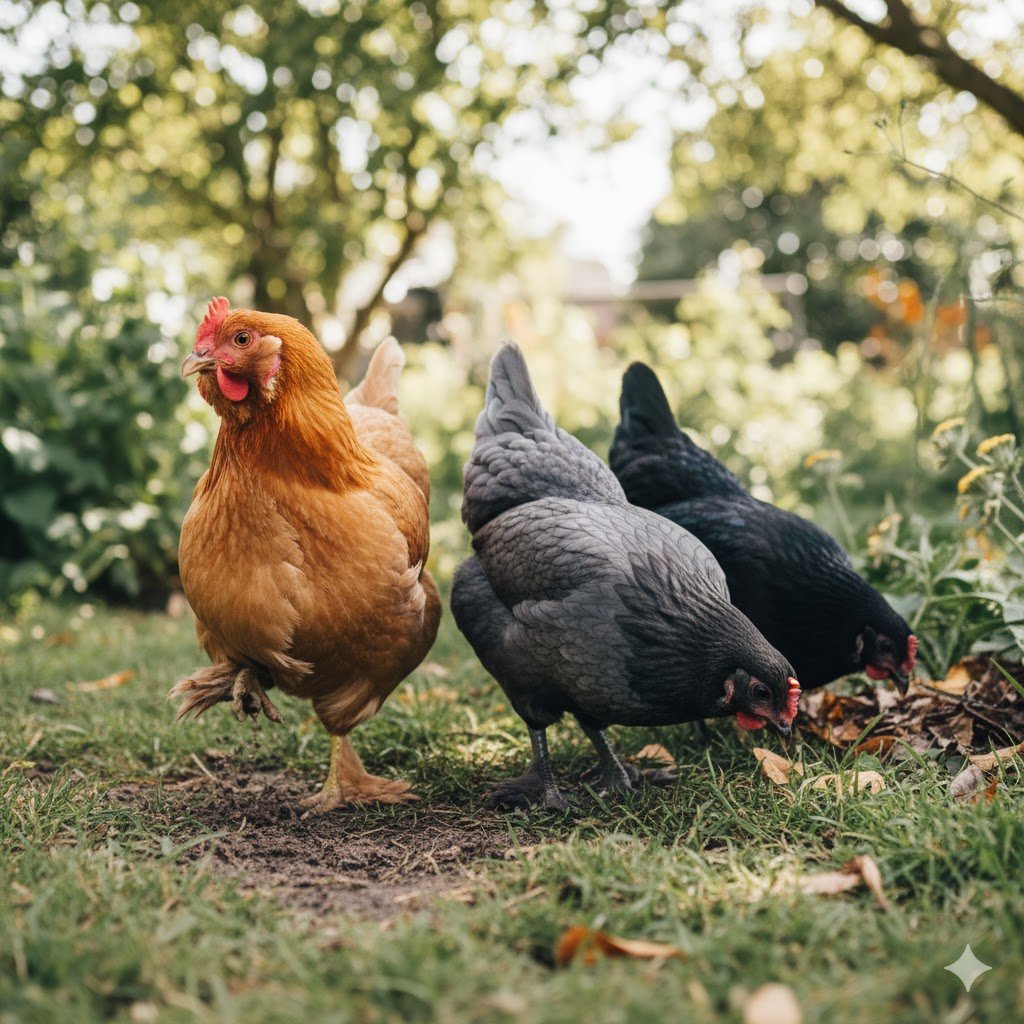
When people say Ameraucanas are good foragers, what does that really mean? It means you’re going to love watching them forage! They are constantly on the move, scratching for insects, worms, and tasty seeds. They’ll also happily nibble on greens and weeds. This behavior is fantastic for a few reasons: it provides them with extra nutrients, reduces your feed bill, and they act as a natural pest control for your yard.
According to Practical Self Reliance, “Foraging is a necessity for this breed and is something you should plan for rather than possibly offer to them.” They really do thrive when given space to explore.
Flock Integration and Social Behavior
When I first introduced Ameraucanas to my mixed flock of Buff Orpingtons and Wyandottes, I noticed they were cautious at first. They didn’t instigate fights but were quick enough to avoid the more dominant hens. After about a week, they had settled in perfectly, finding their place without much drama. Because they are active and alert, they usually find a comfortable spot in the middle of the pecking order.
The Ameraucana rooster is typically a calm and effective flock protector. A common question is whether the Ameraucana hen is a broody hen. While they can go broody, it is not a common trait in most hatchery lines. According to Mile Four, they only occasionally go broody. If you wish to hatch Ameraucana chicks, you may need an incubator or a more reliably broody breed.
Ameraucana Hen vs. Rooster: Telling Them Apart
Beyond the obvious crowing and egg-laying, there are distinct differences between the sexes in this breed.
Size and Stature: The Ameraucana rooster is noticeably larger and more upright than the hen, weighing about a pound more (6.5 lbs vs 5.5 lbs).
Feathering: As they mature, roosters develop long, pointed, and often iridescent saddle feathers (on their back, near the tail) and hackle feathers (around their neck). An Ameraucana hen’s feathers in these areas are rounded and duller. This is especially vibrant in varieties like the Brown Red or Wheaten.
Comb and Wattles: While both have small pea combs, a rooster’s comb and wattles will be larger and a brighter red than a hen’s. The rooster’s pea comb requires a relatively wide base for proper development, while the hen’s comb is often extremely small with barely discernible ridges.
Temperament: A mature Ameraucana hen is generally docile and focused on foraging. An Ameraucana rooster is a vigilant flock protector. He’ll watch the skies for predators, find tasty morsels for his hens, and work to keep the peace. While generally calm, any rooster’s temperament can vary by individual.
This hardy nature extends to their overall health, making them a reliable choice for your flock.
Ameraucana Chicken Lifespan and Health
The good news is that this is a robust and healthy heritage poultry breed with few inherent health problems. Their development away from the genetic issues of their ancestors has made them a very resilient bird.
What is the lifespan of Ameraucana chickens?
The average Ameraucana lifespan is 7 to 8 years. With excellent care and a protected environment, it’s not uncommon for them to live for 10 years or more. According to The Peasants Daughter, “The Ameraucana is a hardy breed and it will live anywhere from 7-10 years assuming its nutritional and other needs are met.”
Common Health Issues
Ameraucanas are a very hardy breed with good chicken health. According to Mile Four’s guide, “Some of the best news about the Ameraucana is that they don’t really have many health issues to speak of. This is mainly due to the selective breeding done when creating the breed.” The genetic issues that sometimes affected Araucanas have been bred out.
You’ll simply need to watch for standard concerns like parasites (mites, lice, worms) and respiratory infections. Being able to spot trouble early is key, so familiarize yourself with identifying common health problems.
Preventative Care
The best way to keep your flock healthy is through prevention. This includes providing a clean coop, fresh food and water, and performing regular health checks. It’s simple stuff, but it makes all the difference.
Troubleshooting Common Issues
Even with hardy breeds like the Ameraucana, you’ll eventually run into a few head-scratchers. Here’s how to tackle some common problems you might face.
“My Ameraucana stopped laying, what’s wrong?”
This is the number one panic moment for any chicken keeper! Before you worry, run through this checklist:
- Molt: Is it late summer or fall? If you see feathers everywhere, she’s likely molting. This is a natural, annual process where she’ll stop laying to regrow her feathers. It can last 8 to 12 weeks. Just provide extra protein to help her through it.
- Age: How old is she? Egg production naturally slows after the first two years and will become less frequent as she gets older.
- Daylight Hours: Chickens need about 14 to 16 hours of light per day to lay consistently. In the short days of winter, production will naturally drop or stop.
- Stress: Has anything changed recently? A new flock member, a close call with a predator, or even a very loud construction project nearby can put them off lay temporarily.
- Broodiness: Is she camped out in the nesting box, looking flattened and grumpy? She might be broody.
- Illness: If none of the above fit, check for signs of illness: lethargy, pale comb, ruffled feathers, or changes in droppings.
Dealing with Dirty Beards in Winter
This is a real issue for Ameraucanas in cold climates. A wet beard can quickly turn into a chunk of ice, leading to frostbite.
- Switch to Nipple Waterers: This is the best solution. It prevents them from dunking their entire face into a water font.
- Use Shallow Water Dishes: If you must use open waterers, make them as shallow as possible.
- Regular Checks: On freezing days, make it a habit to check your birds in the afternoon. If a beard is icy, you’ll need to carefully thaw it with a warm, damp cloth. Never pull the ice off, as you can damage their skin.
While they are a fantastic breed, no chicken is perfect. Let’s look at some potential drawbacks.
What are the disadvantages of Ameraucana chickens?
While they are a wonderful breed, they might not be the perfect fit for everyone. Let’s be realistic, so you can choose the right breed for your goals.
- Moderate Egg Production: Let’s be transparent: While Ameraucanas are wonderful birds, they’re not the best choice if your primary goal is maximum egg production. Their laying rate is good for a heritage breed but doesn’t compare to production hybrids.
- Slower to Mature: They can take a month or two longer to start laying than other breeds. Some may not lay until 7 to 10 months old. Patience is a virtue here.
- Higher Cost: Purebred Ameraucana chicks for sale are more expensive than common hybrids.
- Can Be Flighty: While some keepers report them as being flighty, my experience has been that hatchery lines can be more skittish. Birds from a dedicated breeder, handled regularly from a young age, tend to be much calmer and more personable.
- Finding True Ameraucanas: It can be a challenge to find reputable breeders and avoid being sold Easter Eggers.
- Less Meaty: While considered dual-purpose, they are leaner than breeds developed for meat.
That said, for most backyard keepers, the reasons people choose this breed often far outweigh the cons.
Why People Love Ameraucana Chickens
Despite the minor disadvantages, there are so many reasons why this breed is a favorite.
- Beautiful Blue Eggs: This is the number one reason! It never gets old finding Ameraucana chicken eggs in the nesting box.
- Stunning Appearance: Their fluffy faces and beautiful Ameraucana colors make them one of the most attractive breeds.
- Climate Hardy: They thrive in both hot and cold weather thanks to their pea combs and adaptable nature.
- Friendly Temperament: They are calm and easygoing, making them a great addition to a mixed flock.
- Great for Beginners: Their hardiness and simple Ameraucana care requirements make them an excellent choice.
If you’ve decided these are the birds for you, the next step is finding them from a reliable source.
Where to Buy Ameraucana Chickens and Pricing
Finding a quality source is the most important step to ensure you get healthy, true-to-standard birds. The price and availability can vary quite a bit depending on your location and whether you’re buying from a large-scale hatchery or a local breeder.
Ameraucana Chicks for Sale
You can typically find Ameraucana chicken for sale from reputable hatcheries and private breeders. Expect to pay anywhere from $8 to $25 per chick. Prices can be higher for show-quality stock. When looking for Ameraucana chicks for sale, be aware of the difference between hatchery and breeder lines.
Hatchery strains are often bred more for egg production, while dedicated breeders focus on perfecting the APA standard for color and conformation. It’s also a good idea to ask if the breeder is NPIP (National Poultry Improvement Plan) certified, which helps ensure the flock is monitored for specific diseases.
A Note on Farm Supply Stores
Many people start their chicken journey by buying chicks from farm supply stores during “Chick Days.” What breeds do these stores sell? During chick days, you will almost certainly find bins labeled “Ameraucana,” “Americana,” or “Araucana.” It is critical to know that these are, in 99.9% of cases, Easter Eggers. Farm supply stores buy from large hatcheries that produce these popular hybrids. They are hardy, fun chickens that will lay colorful eggs, but they are not purebred Ameraucanas. If you want a true Ameraucana that conforms to the APA standard, you will need to seek out a reputable breeder or a hatchery that specifically sells purebreds.
Finding Ameraucanas Near You
To find local breeders, start by searching online for “NPIP certified Ameraucana breeders in [Your State]”. Check the directory on the Ameraucana Breeders Club website. Don’t forget social media groups and local farm marketplaces. They can be goldmines for finding small-scale, passionate breeders in your region.
Check Local Regulations: Before you buy a single chick, you must understand your local laws. Many cities and suburban HOAs have specific regulations for backyard chickens. Check your city or county’s municipal code online for rules regarding flock size, whether roosters are permitted, and coop setback requirements from property lines.
Frequently Asked Questions About Ameraucana Chickens
What type of comb does an Ameraucana have?
All true Ameraucanas have a pea comb. This comb type features three lengthwise ridges running from the base of the beak to the top of the head, with the center ridge sitting slightly higher than the outer two. The pea comb is highly resistant to frostbite, making Ameraucanas excellent cold-weather chickens.
How do I tell if my Ameraucana is purebred?
Check for four key features: a pea comb (not single or rose), slate or blue-grey legs (not green), muffs and beard present, and blue eggs only. If your bird has green legs, lays green or brown eggs, or has a different comb type, it is likely an Easter Egger hybrid, not a purebred Ameraucana.
What is the difference between a rooster and Ameraucana hen comb?
Both have pea combs, but the rooster’s comb is larger, more pronounced, and a brighter red color. The hen’s comb is typically very small with barely discernible ridges and a paler color, especially when she’s not actively laying.
Which Ameraucana lays blue eggs?
All true, purebred Ameraucana chickens lay blue eggs. This is the defining characteristic of the breed.
What color legs do true Ameraucanas have?
True Ameraucanas have slate blue to black colored legs. Leg color is one of the easiest and most reliable ways to distinguish them from Easter Eggers.
Are Blue Ameraucanas rare?
The Blue Ameraucana color variety is moderately available from dedicated breeders but is less common than some other colors at large hatcheries.
Is an Olive Egger an Ameraucana?
No, an Olive Egger is a hybrid chicken. It is a cross between a blue egg-laying breed (like an Ameraucana) and a dark brown egg-laying breed (like a Marans).
Conclusion
The Ameraucana chicken is truly a special breed that brings both beauty and utility to a backyard flock. Their hardy nature, anchored by that distinctive pea comb and fluffy beard, makes them suitable for nearly any climate. Their calm, curious temperament makes them a joy to raise. After raising them for years alongside many other breeds, they remain one of my absolute favorites. While they may not be the most prolific in egg production, the thrill of collecting those gorgeous blue eggs is a reward all on its own.
For poultry keepers who value uniqueness, resilience, and a friendly disposition, the Ameraucana is an outstanding choice. I recommend them highly. They are a perfect fit for beginners, families, and anyone looking to add a splash of color to their daily egg basket.
Related Chicken Breed Guides
Blue and Colored Egg Layers
Popular Beginner-Friendly Breeds
Other Heritage Breeds

Oladepo Babatunde is the founder of ChickenStarter.com. He is a backyard chicken keeper and educator who specializes in helping beginners raise healthy flocks, particularly in warm climates. His expertise comes from years of hands-on experience building coops, treating common chicken ailments, and solving flock management issues. His own happy hens are a testament to his methods, laying 25-30 eggs weekly.