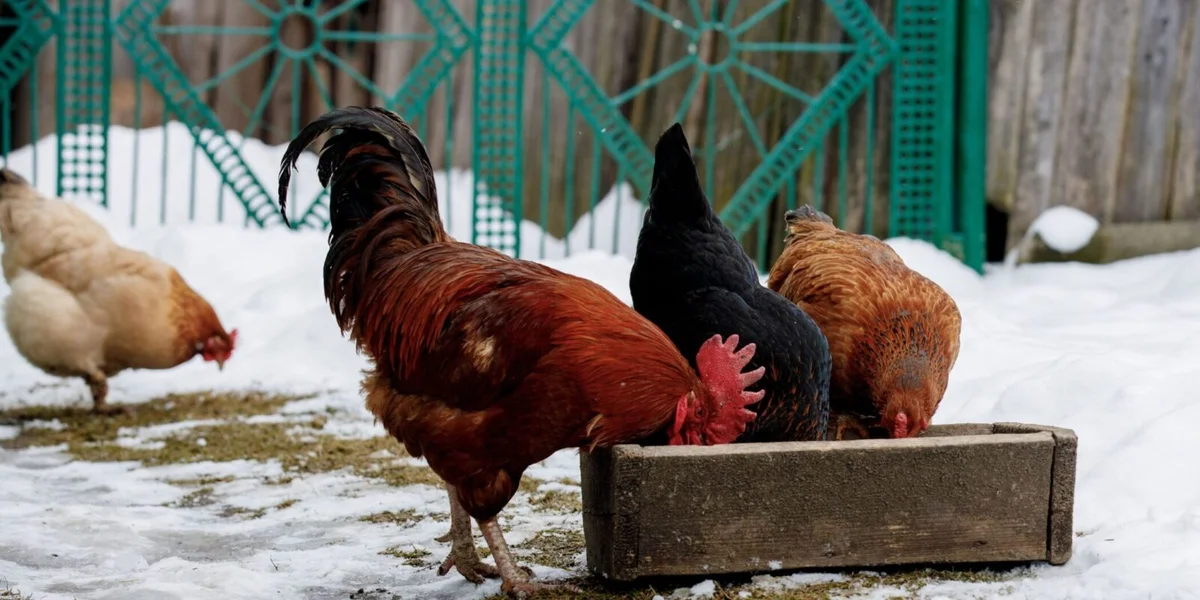
I remember standing in a feed store three years ago, staring at a dozen different bins of peeping chicks, feeling completely overwhelmed. The handwritten signs promised everything from “300 eggs per year!” to “great with kids!” but I had no idea which claims were marketing fluff and which breeds would actually thrive in my suburban backyard. That confusion led me down a rabbit hole of research, trial and error, and eventually raising over 15 different breeds to find out which ones truly deliver on their promises.
Choosing your first chicken breed is exciting, but the wrong choice can turn your backyard farming dream into a frustrating experience. Every breed has different temperaments, health considerations, and production levels. As a first-time owner, you want reliable, friendly, and low-maintenance chickens that give you eggs without drama, vet bills, or neighbor complaints. This guide simplifies your decision by defining what “easy” actually means, then sharing my top 10 breeds that I confidently recommend to any beginner based on hands-on experience and current hatchery data.
Before diving into specific breeds, let us establish exactly what characteristics make certain chickens better suited for new keepers than others.
Best Easy Chicken Breeds for Beginners: Key Traits That Matter
“Easy” is not a single trait but a combination of forgiving characteristics that make your first year enjoyable instead of stressful. Experienced breeders at Grubbly Farms emphasize that the best beginner breeds share specific qualities reducing the learning curve significantly. After years of raising different breeds, I have found that the best chickens for first-time owners excel in four key areas.
Understanding these criteria will help you evaluate any breed you encounter, not just the ones on my list.
1. Forgiving, Docile Temperament
A beginner needs birds that tolerate human interaction without panicking. Expert guidance from Backyard Chicken Coops Australia suggests novice keepers should prioritize chicken breeds that are friendly, quite docile and calm, relatively easy to tame, and easy to care for. Additionally, the team recommends looking for common chicken breeds that you can find at local hatcheries. Docile birds are easier to handle for health checks, better with children, and simpler to train for returning to the coop at night.
My Buff Orpington Butterscotch literally walks up to strangers and sits at their feet waiting to be picked up. Compare that to my first Easter Egger, who took six months before she would let me approach without running. The temperament difference affects every single interaction you have with your flock.
2. Excellent Hardiness and Health
Your first coop probably will not be perfectly insulated or ventilated. I know mine was not. Breed analysis from Reformation Acres confirms that hardy breeds are essential because beginners make mistakes, and forgiving birds survive those learning experiences. Look for breeds tolerant of both cold and heat, and those less susceptible to respiratory illnesses that spread quickly through flocks.
When I accidentally left my coop vent closed during a humid July week, my Australorps showed zero stress while my Polish hen developed respiratory symptoms within 48 hours. Hardy breeds give you room to learn. Climate guidance from Dakota Storage emphasizes that understanding the climate adaptability of different chicken breeds is crucial in ensuring their health, happiness, and egg-laying efficiency.
3. Consistent Egg Production (Without Extremes)
Poultry expert Eric Stromberg of Stromberg’s Chickens featured on Mother Earth News notes that super egg layers like production hybrids are great, but heritage breeds offer reliability without the health trade-offs. While some breeds are marketed as laying 300+ eggs annually, these extreme layers can be more prone to egg binding and reproductive diseases as they age.
I learned this the hard way when my ISA Brown developed egg yolk peritonitis at just 2.5 years old despite excellent care. She was producing almost daily, but her body could not sustain that output long-term. A steady 200 to 250 eggs annually from a heritage breed gives you reliable rewards without burning the bird out. Check our guide on egg yolk peritonitis treatment to understand why moderate production matters.
4. Low Tendency for Broodiness
A broody hen stops laying eggs and sits on her nest all day trying to hatch chicks. Experienced keeper Camryn Rabideau points out that breeds which seldom go broody keep your egg basket full without the frustration of breaking broody behavior. While broodiness is wonderful if you want to hatch chicks naturally, it derails egg production for 6 to 8 weeks and can be messy to manage.
My Cochin Martha went broody four times in one year, costing me approximately 120 eggs in lost production. My Australorp Betty has never gone broody in three years. For beginners focused on eggs, low broodiness matters significantly.
Now that you understand what makes a chicken easy to care for, let us meet the birds themselves. I have expanded my list to ten breeds based on current hatchery trends and ongoing keeper feedback.
10 Easiest Chicken Breeds for First-Time Owners
Based on the criteria above plus real-world performance data, these are the breeds I recommend without hesitation. They offer the best combination of friendly temperaments, excellent hardiness, and reliable egg production for new keepers.
1. Buff Orpington: The Golden Retriever of Chickens
If you want a lap chicken and family pet, look no further. Poultry expert Eric Stromberg shared in his Mother Earth News interview that if anybody ever asks about beginner breeds, the first breed he says is a Buff Orpington, noting he has had many Buff Orpingtons and not only do they seem to be really healthy, but they are also super friendly.
Origin: England (developed in the 1880s by William Cook) Average Weight: Hens 8 pounds, roosters 10 pounds Average Cost: $4 to $8 per chick, $25 to $40 per started pullet
Temperament: The team at Homestead and Chill describes Buff Orpingtons as the quintessential backyard chicken, painting the picture of a big ginger-blonde fluff ball lazily meandering around your yard, with a reputation for being very sweet, docile, and patient, making these birds especially good with kids. Breed profiles from Backyard Chicken Coops Australia add that Orpingtons are one of the few chicken breeds that really do enjoy being handled and petted, and they thrive on human contact and attention, which makes them a perfect family chicken, especially great for kids. My Buff Orpington Butterscotch follows me around the yard like a puppy and has never once shown aggression toward anyone, including the toddlers who visit my backyard.
Egg Production: A reliable layer producing approximately 180 to 200 large brown eggs annually. The same source from Backyard Chicken Coops Australia confirms they are also fair layers, laying around 160 good-sized brown eggs annually. Keeper experience from Camryn Rabideau confirms Orpingtons are good egg layers and start laying earlier than other breeds, with four or five eggs per week from each bird.
Hardiness: Due to their fluffy plumage, Homestead and Chill notes this breed is especially cold-hardy, and because of their heavy stature, they are known to be less flighty once they have reached maturity. Breed guidance from Backyard Chicken Coops Australia adds they are very cold hardy and profusely feathered which makes them extra soft and cuddly. Climate recommendations from Scratch and Peck specifically list Buff Orpingtons as ideal for colder climates, noting these birds are not only friendly but also robust enough to withstand chilly weather, with their thick feathering providing the insulation needed to keep them warm during the colder months.
Climate Consideration: While exceptionally cold-hardy, Buff Orpingtons may need extra precautions in extremely hot weather. If you live in USDA zones 8 through 10, provide ample shade, frozen treats, and multiple water stations during summer months. My Butterscotch pants visibly when temperatures exceed 90°F, and I have learned to set up a misting station near her favorite shady spot.
Broodiness: Moderate. The same source notes Orpingtons may go broody fairly often, and are very good mother hens. If you want to break a broody hen, our guide covers effective methods.
Noise Level: Very low. Orpingtons produce quiet, contented murmurs with minimal egg song drama, making them excellent for urban settings.
The Verdict: The ultimate beginner’s chicken, perfect for backyards prioritizing companionship over maximum production. Breed profiles from Backyard Chicken Coops Australia highlight that the Orpington chicken was designed to be a hardy breed that can endure England’s most bitter winters, whilst still laying at an unstoppable rate.
Important Note: Not everyone agrees Orpingtons deserve the top spot. The experienced keeper at Reformation Acres admits she can never understand how Buff Orpingtons make it on the top of every beginner chicken breeds list, noting that despite their popularity, they failed to impress her, and she found them to be indifferent rather than the lap chickens their reputation suggests. This reminds us that individual chicken personalities vary, and breed tendencies are generalizations.
Trend Note: Video analysis from Amazing Livestock Breeds on YouTube reveals Lavender Orpingtons are experiencing massive popularity growth because they are big, fluffy, and have that soft silver lavender color that photographers love, with every slow-motion video becoming a hit on social media. If you can find Lavender Orpingtons from a reputable breeder, they offer the same wonderful temperament in a stunning color variety. Learn more in our complete Buff Orpington guide.
2. Black Australorp: The Sweet Egg-Laying Champion
This beautiful, glossy black breed offers the perfect blend of calm personality and exceptional egg production. The team at Reformation Acres calls Black Australorp chickens such easy keepers and one of the best backyard chicken breeds, noting that having a few in your flock will be a pleasure.
Origin: Australia (developed from Black Orpington stock in the early 1900s) Average Weight: Hens 6.5 pounds, roosters 8.5 pounds Average Cost: $3 to $6 per chick, $20 to $35 per started pullet
Temperament: Breed information from Farm Flavor describes Australorps as having an absolutely winning personality, noting that even though Australorps can be shy at first, they are loyal and affectionate once they have bonded with their humans, especially ones they have known since they were chicks. Keeper insights from Scratch and Peck confirm Australorps are known for their impressive egg-laying abilities and friendly nature, making them a fantastic choice for any backyard flock.
My Australorp Betty is the easiest bird in my flock. She lays her daily egg around 10 AM with barely a sound, just a soft satisfied “buk-buk” quieter than my coffee maker. She has produced 287 eggs in the past year, which I track in a spreadsheet on my phone because I am admittedly obsessive about data. The keeper at Reformation Acres shares that the longest rooster they ever had was four years, and he was a Black Australorp who never once showed an aggressive bone in his body.
Egg Production: Data from Reformation Acres confirms Australorps will lay 5 or more eggs per week, are very hardy, and are friendly and quiet. Farm Flavor adds that most Australorps lay between 5 and 6 eggs a week, and an Australorp also holds the world record for most eggs laid in a year at 364.
Hardiness: The team at Farm Flavor notes the Australorp does quite well in colder climes but will need extra precautions in warmer weather. As an added bonus for beginners, the Australorp is relatively low-maintenance and will thrive with a minimal food-water-coop set-up. Climate guidance from Scratch and Peck notes Australorps are adaptable to both warm and cool climates, making them a versatile breed for many keepers.
Climate Consideration: While generally adaptable, Australorps may need extra attention during extreme heat. Their black plumage absorbs heat more readily than lighter-colored breeds. In hot climates, ensure your Australorps have access to shade and cool water throughout the day.
Broodiness: Low. The keeper at Reformation Acres notes their Australorp rooster retired solely because it marked the first year he produced only two chicks, despite sitting on numerous clutches, confirming that they can go broody but it is not common.
Noise Level: Very low. Notoriously quiet birds that bond deeply with their keepers.
The Verdict: The perfect choice if you want a sweet, friendly chicken that is also a top-tier egg producer. Homestead and Chill describes their plumage as stunning, with an iridescent green, blue, and purple sheen in the right lighting. See our complete Australorp guide for detailed care information.
3. Barred Plymouth Rock: The All-American Classic
Experienced keepers at Homestead and Chill describe Barred Plymouth Rocks as some of the sweetest, most inquisitive, quirky birds they have ever had, noting they are very friendly, intelligent, and great with kids.
Origin: United States (developed in Massachusetts in the 1860s) Average Weight: Hens 6.5 to 7.5 pounds, roosters 7.5 to 9.5 pounds Average Cost: $3 to $5 per chick, $18 to $30 per started pullet
Temperament: The team at Backyard Chicken Coops Australia characterizes the Plymouth Rock as another of the favoured chicken breeds for beginners, and a great all-rounder for any flock, noting they are known for having one of the best personalities of all chicken breeds, being very docile, placid and friendly, and take well to being handled, making them ideal pets for children. Breed information from Scratch and Peck adds that Barred Plymouth Rocks are not only attractive but also very friendly and easy to handle.
My first Barred Rock named Penny followed me around the yard like a puppy. She was the most relaxed bird in my starter flock and would sit on my lap while I drank morning coffee. The folks at Homestead and Chill share similar experiences, admitting they hate to play favorites, but of the nine different chickens they have had, their Barred Rocks Dottie and Zoey take the cake because they are always the ones who come running first, follow closest, and are most inclined to jump up for a cuddle. The team at Reformation Acres adds this beautiful heritage breed is everything they are looking for in a chicken.
Egg Production: Data from Reformation Acres confirms Barred Rocks lay well at 4 to 5 eggs per week, are very friendly, and hardy. The team at Backyard Chicken Coops Australia notes they are considered quite a good layer and will provide you with up to 200 brown eggs a year.
Hardiness: The same source from Backyard Chicken Coops Australia notes Plymouth Rocks fare well in both confinement and free-range environments, so will adapt well to any surrounding you provide them with. Climate guidance from Scratch and Peck specifically lists Plymouth Rocks as ideal for colder climates. Breed information from Dakota Storage adds Plymouth Rocks can handle lower temperatures and their ability to maintain productivity and good health, even as temperatures drop, makes them perfect candidates for backyard flocks in colder regions.
Broodiness: Moderate. Barred Rocks can become broody, which may be a consideration if you want maximum egg production.
Noise Level: Low to moderate. Homestead and Chill notes Barred Rocks have a reputation for being talkative, but with a distinct sweet, softer coo and chatter, much different than the others in the flock.
The Verdict: A stunning and dependable bird with the distinctive black-and-white barred pattern that makes every flock more visually interesting. The team at Backyard Chicken Coops Australia notes if you are wanting to add some visual interest to your backyard flock, the Plymouth Rock in the barred variety makes for one of the most impressive looking chicken breeds, showcasing an attractive display of distinctive black and white feathers, contrasted with its bright red wattles and comb.
4. ISA Brown (Production Hybrid): The Beginner’s Best-Kept Secret
While not a heritage breed, ISA Browns and other production hybrids deserve a spot on this list because of their exceptional performance and friendliness. Experienced keeper Camryn Rabideau reveals that when people ask for chicken recommendations, ISA Browns are her number one pick because she absolutely loves them, and they are a great chicken breed for beginners.
Origin: France (developed by Institut de Sélection Animale in 1978) Average Weight: Hens 5 to 6 pounds Average Cost: $3 to $5 per chick
Temperament: The same keeper Camryn Rabideau describes ISA Browns as very friendly, calm, and sociable, noting they frequently follow her around the yard and have no problem being picked up. Breed profiles from Backyard Chicken Coops Australia explain the ISA Brown name is actually not a breed name, but a copyrighted brand name, noting the breed was developed and patented by a French company in 1978 for optimum egg production, and since then their popularity has grown to great heights. The same source praises ISA Browns for their gentle nature, their resilience and their egg-straordinary egg laying talents.
The team at Reformation Acres notes many of the best backyard chicken breeds fall under the production hybrid blanket term, and every hatchery has its own term including Black Sex-Link, Red Star, Golden Comets, Production Reds, Golden Buff, ISA Brown, and Cinnamon Queen. They add these chickens have two things in common: they are crossed between two heritage breeds and you can tell by their coloring as chicks whether they are hens or roosters. The team emphasizes production hybrids are easy to keep, generally are not flighty, do not go broody, and do not eat a ton of feed, making them great urban chickens, and they have found them to be among the friendliest of chickens ever raised.
Egg Production: Keeper data from Camryn Rabideau confirms ISA Browns start laying very early and lay consistently, even in the winter. The team at Reformation Acres notes the other thing that sets these hens apart is they lay a lot of eggs, nearly one every day of the year. Expect 300+ large brown eggs annually. The same source adds they add a few Production Hybrid chickens to their flock every year because they will keep them getting at least a few eggs when the other gals are slacking over the winter.
Hardiness: The same source from Camryn Rabideau confirms they handle cold and hot weather well. Family pet guidance from Dakota Storage notes ISA Browns in particular are renowned for their docile nature and affectionate behavior, often seeking attention and enjoying being held.
Broodiness: Very low. ISA Browns seldom go broody, keeping your egg production consistent.
Sex-Link Advantage: Information from Camryn Rabideau explains that because they are a sex link breed, it is easy to tell males and females apart when they are born, which means there is virtually no risk of getting an accidental rooster. This is huge for urban keepers where roosters are prohibited. Poultry expert Eric Stromberg in his Mother Earth News interview specifically recommends red sex-links as his go-to, noting if you are getting a flock of 25 birds, he would always tell you to get five red sex-links.
The Trade-Off: Keeper experience from Camryn Rabideau warns ISA Browns have a shorter lifespan than other breeds. Their high production can lead to reproductive issues as they age. I lost my beloved ISA Brown to egg yolk peritonitis at 2.5 years despite excellent care.
Noise Level: Moderate. Friendly but can have noticeable egg songs.
The Verdict: If maximum eggs and guaranteed hens (no roosters) are your priorities, ISA Browns deliver exceptional value. Just understand they are production birds with shorter lifespans than heritage breeds.
Naming Note: These birds are also called Golden Comets, Cinnamon Queens, Red Sex Link, Golden Buffs, and Red Stars depending on the hatchery, so look for any of these names when shopping.
5. Easter Egger: The Colorful Egg Superstar
Easter Eggers are currently one of the top-selling breeds at major hatcheries, and for good reason. While not a standardized breed recognized by the American Poultry Association, Easter Eggers are beloved for laying beautiful blue, green, and sometimes pink or cream eggs that make every trip to the coop feel like a treasure hunt.
Origin: United States (hybrid with Ameraucana or Araucana genetics) Average Weight: Hens 4 to 5 pounds Average Cost: $4 to $6 per chick
Temperament: Easter Eggers are generally friendly, curious, and intelligent. Individual personalities can vary since they are mixed-breed birds, but they are rarely aggressive. My Easter Egger Clover took longer to warm up to handling than my Orpingtons, but once she trusted me, she became one of the most curious and entertaining birds in my flock. She investigates everything I bring into the yard and has figured out how to open the treat container lid.
The keeper at Reformation Acres loves colored eggs and notes that Ameraucanas are very easy keepers and seem hardy enough, with the only reason they did not make her main list being that they do not lay quite as many eggs, maybe 3 per week. Expert Eric Stromberg in his Mother Earth News interview recommends including an Easter Egger in a mixed flock because it gives you colored eggs alongside your standard brown and white eggs.
Egg Production: Expect approximately 200 to 280 colorful eggs per year. The real appeal is the egg color variety. My Easter Egger lays a beautiful robin’s egg blue, while my neighbor’s lays sage green. You never know exactly what color you will get until they start laying, which adds to the excitement.
Hardiness: Breed information from Homestead and Chill confirms Easter Eggers have small peacombs, making them a good cold-hardy bird, noting peacombs do not have as high of a risk of frostbite as large single-comb types. The same source adds they are also known to be heat tolerant, and do not commonly become broody.
Broodiness: Low to moderate. Most Easter Eggers are not particularly broody.
Noise Level: Moderate to high. Personalities vary widely; some individuals are very loud while others are quiet.
The Verdict: The best choice for families who want the fun and excitement of a colorful egg basket and a bird with unique personality. See our Easter Egger guide and learn about Ameraucana vs Easter Egger differences.
Important Note: Easter Egger egg songs can be quite loud. My Clover has a beautiful personality but an egg announcement that carries three houses away. If noise is your primary concern, Orpingtons or Australorps are safer choices.
6. Silkie: The Ultimate Fluffy Pet Chicken
When it comes to the friendliest chicken breed, Backyard Chicken Coops Australia describes Silkies as known as the lap kitty of the chicken breeds world, with a wonderful gentle and calm nature, and they are easy to tame and love to receive a little tender loving care from their owners, making them a great family pet.
Origin: Asia (ancient breed dating back over 1,000 years) Average Weight: 2 to 3 pounds (bantam size) Average Cost: $5 to $15 per chick, with show-quality birds commanding $30 to $50
Temperament: Breed profiles from Homestead and Chill describe Silkies as tame, sweet, and will tolerate being held, making them a very good choice for a family with children. The team at Backyard Chicken Coops Australia notes Silkie Bantam chickens are mostly ornamental breeds, and with good reason, boasting some very unique masses of fluffy feathering, covering them from their head right down to their toes.
Breed insights from Scratch and Peck add that Silkies are famous for their fluffy feathers and sweet temperament and are often considered the teddy bears of the chicken world, with their calm and friendly nature making them ideal for households with children. The team at Alchemist Farm describes Silkies as a family favorite for their fluffy feathers and affectionate nature.
Egg Production: Low. Breed information from Backyard Chicken Coops Australia notes unfortunately Silkies are not strong layers due to their size, and will only produce around 100 small eggs a year. The team at Alchemist Farm adds that while they are not prolific layers, their companionship and charm make them a wonderful addition to any backyard flock. Do not get Silkies for egg production.
Hardiness: Information from Homestead and Chill notes Silkies take well to free ranging, and are quite heat tolerant, but they go broody easily and make for excellent mothers. The same source warns overly wet conditions are not ideal because their fluffy feathers lack the waterproofing of standard plumage. Climate guidance from Dakota Storage lists Silkies among breeds well-equipped to handle lower temperatures.
Broodiness: Very high. Silkies are famous for going broody frequently, which makes them excellent surrogate mothers for hatching eggs from other breeds.
Noise Level: Low. Their small body produces quieter vocalizations.
The Verdict: Perfect for keepers prioritizing pets over production. Breed information from Backyard Chicken Coops Australia notes the Silkie deals particularly well with confinement and does not fly, so is one of the best chicken breeds for beginners.
Important Caution: The team at Reformation Acres suggests considering adding some of the fancier backyard chicken breeds like Silkies or Polish once you have gained more experience and tested your systems for predator-proofing, noting the beautiful plumage on their heads makes these birds more susceptible to attack, especially from overhead predators like hawks, owls, and eagles because they cannot see them coming.
7. Wyandotte: The Cold-Climate Champion
The Wyandotte is a beautiful bird with stunning color patterns and exceptional cold hardiness. Homestead and Chill describes Wyandottes as good foragers who prefer free range, noting they come in many beautiful feather patterns.
Origin: United States (developed in New York in the 1870s) Average Weight: Hens 6 to 7 pounds, roosters 8 to 9 pounds Average Cost: $4 to $8 per chick, $25 to $40 for rare color varieties
Temperament: Breed insights from Scratch and Peck note Wyandottes boast a beautiful laced plumage and have a calm demeanor. The team at My Pet Chicken describes Wyandottes as a great chicken breed for beginners, noting this breed is known for its beautiful feather patterns and is easy to care for.
My Wyandotte Henrietta is more independent than my Orpingtons but still friendly and easy to manage. She prefers foraging to lap time but comes running when she sees the treat container.
Egg Production: Homestead and Chill confirms Wyandottes will lay about 4 medium-to-large light brown eggs per week, noting they are a heavy breed and therefore not usually as quick or flighty. Breed information from Scratch and Peck adds Wyandottes are good layers of brown eggs. Egg production guidance from Dakota Storage lists Wyandottes among breeds that stand out for their prolific egg-laying abilities.
Hardiness: The same source from Homestead and Chill emphasizes Wyandottes have a rose comb and full plumage, making them exceptionally suited for cold climates, though they will need extra measures taken to keep them cool and comfortable in high-heat climates. Breed insights from Scratch and Peck add Wyandottes can adapt to both hot and cold weather, making them suitable for many environments.
Broodiness: Moderate. They can go broody occasionally.
Noise Level: Low to moderate. Generally quiet with occasional chattiness.
The Verdict: A stunning, self-sufficient bird perfect for colder climates and keepers who want a more active forager. The variety of color patterns (silver laced, golden laced, blue laced red, columbian, partridge, and more) adds visual interest to any flock. See our Wyandotte complete guide for color variety comparisons.
8. Rhode Island Red: The Reliable Workhorse
The Rhode Island Red is the classic American farm chicken and remains popular for good reason. Breed profiles from Backyard Chicken Coops Australia call the Rhode Island Red one of the quintessential backyard chicken breeds, and an ideal bird for beginners.
Origin: United States (developed in Rhode Island in the 1850s) Average Weight: Hens 6.5 pounds, roosters 8.5 pounds Average Cost: $3 to $5 per chick, $15 to $25 per started pullet
Temperament: The same source from Backyard Chicken Coops Australia describes Rhode Island Reds as quite a large breed, but are generally a very calm and docile bird, and quite hardy, noting they are very tolerant birds and are willing to adapt to their given environment which makes them one of the better chicken breeds for beginners.
Important Temperament Note: Rhode Island Reds can vary significantly in personality. My Rhode Island Red Ginger is confident and assertive, not aggressive but definitely the boss of my flock. If you want the gentlest possible birds, Orpingtons or Australorps are safer choices. If you appreciate a bird with personality and excellent production, Rhode Island Reds deliver. Poultry expert Eric Stromberg in his Mother Earth News interview lists Rhode Island Reds among the really good egg layers that would be heritage breeds.
Egg Production: Breed information from Backyard Chicken Coops Australia confirms if you are after chicken breeds that will provide you with an abundance of eggs the Rhode Island Red is a perfect choice, with its laying performance its strong point, noting they can produce over 300 large, rich, brown eggs in a year, ideal if you love fresh eggs for breakfast.
Hardiness: Climate guidance from Scratch and Peck recommends Rhode Island Reds for warmer climates, noting they are known for their hardiness and adaptability and can handle both hot and moderately cold conditions. Climate-specific guidance from Dakota Storage confirms Rhode Island Reds show a high tolerance to heat and are renowned for their ability to thrive in warmer climates and their exceptional egg-laying capabilities.
Broodiness: Low. They rarely go broody, keeping egg production consistent.
Noise Level: Moderate. Confident vocalizations; not shy about announcing eggs.
The Verdict: The go-to choice for someone prioritizing maximum egg production in a hardy, self-sufficient bird. Just be aware they may be more assertive than the gentler breeds on this list.
9. Brahma: The Gentle Giant
Homestead and Chill describes Brahmas as big dual-purpose birds, noting they have been dubbed “The King of Chickens” but they are a gentle giant, known just as much for their calm disposition as they are for their size and productivity.
Origin: United States (developed from Chinese stock in the 1840s) Average Weight: Hens 9 to 10 pounds, roosters 11 to 12 pounds Average Cost: $4 to $8 per chick, $25 to $45 per started pullet
Temperament: The same source from Homestead and Chill characterizes Brahmas as a fluffy, friendly, quiet, easily-handled breed, making this another great choice for families with children. Breed information from Dakota Storage adds Brahmas provide a substantial amount of meat and are suitable for various climates.
My Brahma Gertrude weighs nearly 10 pounds and moves through the yard like a dignified queen. She has never shown aggression toward anyone and tolerates handling beautifully despite her size. Her feathered feet make her look like she is wearing fancy pants, which never fails to make visitors smile.
Egg Production: The same source from Homestead and Chill notes Brahmas average three to four medium-large light brown eggs per week, highlighting a quirky trait that they seem to prefer to lay October through May, the time when many other chicken breeds take a winter break, so they may help bring balance to your egg basket year round.
Hardiness: Excellent cold hardiness due to their fluffy plumage and small pea comb. Their feathered feet require dry conditions to prevent foot issues.
Broodiness: Moderate. They can go broody and make good mothers.
Noise Level: Very low. Gentle giants rarely vocalize loudly.
The Verdict: Perfect for cold climates and keepers who want impressive, gentle giants. Their winter laying pattern provides eggs when other breeds take breaks. See our complete Brahma guide for detailed care information.
10. Speckled Sussex: The Heritage Charmer
Homestead and Chill describes Speckled Sussex chickens as curious, mild-mannered, and notes they will probably follow you all over, adding that as heavy dual-purpose birds, these chickens are not as prone to flying once they mature to full size, so they are a little less likely to hop the fence into your garden.
Origin: England (ancient breed dating back to Roman times) Average Weight: Hens 7 pounds, roosters 9 pounds Average Cost: $4 to $7 per chick
Temperament: The team at Reformation Acres notes Speckled Sussex hens are a pleasure to raise, describing them as friendly and calm, and they will thrive regardless of your choice of habitat. Poultry expert Eric Stromberg in his Mother Earth News interview specifically recommends Speckled Sussex among heritage breeds, noting they are really friendly. Climate guidance from Dakota Storage lists Sussex breeds among those well-equipped to handle lower temperatures.
My Speckled Sussex Dotty has the most beautiful plumage in my flock, with each feather tipped in white that becomes more pronounced after each molt. She is curious and follows me around the garden, though she can be vocal when excited.
Egg Production: Data from Reformation Acres confirms Speckled Sussex lay 4 to 5 eggs per week. Homestead and Chill notes that after each molt, Speckled Sussex can become increasingly speckled and pretty. The same source from Reformation Acres adds Speckled Sussex is a cold-hardy heritage breed that is heavy enough with 7-pound hens to make a good dual-purpose breed.
Hardiness: Very cold-hardy and robust. They forage well and adapt to various housing situations.
Broodiness: Moderate. Can go broody occasionally.
Noise Level: Moderate. Can be vocal when excited.
The Verdict: A beautiful heritage breed with speckled plumage that becomes more striking with age. Great for keepers who want a dual-purpose bird with historical significance and good production. The same source from Homestead and Chill adds you will never be alone with a Sussex chicken, as these girls make wonderful companion birds.
With so many excellent options, this comparison table helps you quickly identify which breed matches your priorities.
At a Glance: Easiest Chicken Breeds Comparison Table
| Breed | Temperament | Eggs/Year | Egg Color | Cold Hardy | Heat Tolerant | Noise Level | Best For |
|---|---|---|---|---|---|---|---|
| Buff Orpington | Excellent | 180-200 | Brown | Excellent | Fair | Very Low | Families, pets |
| Australorp | Excellent | 250-300+ | Light brown | Very good | Fair | Very Low | Eggs + friendliness |
| Barred Plymouth Rock | Very good | 200-250 | Brown | Excellent | Good | Low-Moderate | All-around reliability |
| ISA Brown | Very good | 300+ | Brown | Good | Good | Moderate | Maximum eggs |
| Easter Egger | Good | 200-280 | Blue/green | Very good | Very good | Moderate-High | Colorful eggs |
| Silkie | Excellent | 100 | Cream | Fair | Good | Low | Pets, lap chickens |
| Wyandotte | Good | 200-250 | Cream/brown | Excellent | Fair | Low-Moderate | Cold climates |
| Rhode Island Red | Good | 250-300 | Dark brown | Very good | Very good | Moderate | Maximum production |
| Brahma | Excellent | 150 | Brown | Excellent | Fair | Very Low | Cold climates, giants |
| Speckled Sussex | Very good | 200-250 | Light brown | Excellent | Good | Moderate | Heritage dual-purpose |
Honorable Mentions: More Excellent Beginner Breeds
These breeds did not make my top 10 list but deserve recognition for specific situations.
Delaware: The Cuddly Heritage Producer
Farm Flavor includes Delawares among their recommended beginner breeds, noting this breed is both a charmer and a great producer. Originally developed as an industrial broiler bird, the Delaware fell out of favor with large-scale producers and has found a home with backyard keepers. Poultry expert Eric Stromberg in his Mother Earth News interview lists Delawares among the good egg layers that would be heritage breeds.
Why beginners love them: The same source from Farm Flavor notes Delawares lay about four large eggs a week and are relatively low maintenance to boot, adding their broiler lineage means they will also make a delicious addition to the dinner table if that is what you are after. Perhaps their best feature is their bubbly personality, with an exploring nature and an affection for their humans, up to and including cuddling.
Climate versatility: Delawares can adapt to nearly all climates, making them one of the most versatile heritage breeds available. Whether you live in Maine or Arizona, Delawares will adjust to your conditions.
Noise consideration: Be aware that Delawares can be vocal birds, particularly with their egg songs. Best suited for rural properties or neighbors who appreciate fresh egg bribes.
Best for: Keepers wanting a heritage dual-purpose breed with personality and all-climate adaptability.
New Hampshire: The Cold-Climate Alternative
Farm Flavor describes the New Hampshire hen as a close cousin of the more famous Rhode Island Red, noting they are hardy, easily satisfied and regular producers of about four eggs per week. The breed was bred to withstand harsh New England winters and would be an excellent choice for northern-dwelling smallholders who are used to getting feet of snow from November through April. Poultry expert Eric Stromberg in his Mother Earth News interview lists New Hampshires among heritage breed egg layers.
Climate guidance from Dakota Storage lists New Hampshire Reds among breeds that show a high tolerance to heat and are renowned for their ability to thrive in warmer climates.
Climate versatility: New Hampshires can adapt to nearly all climates, making them extremely versatile, though they may need extra heat precautions in extremely hot weather similar to their Rhode Island Red cousins.
Watch out: The same source from Farm Flavor notes New Hampshires can become pushy around feeders and are often happiest free-range, so they are not ideal for the ever-burgeoning ranks of urban chicken keepers.
Leghorn: The Production Powerhouse
If maximum egg production is your absolute priority, Leghorns deliver results that few other breeds can match. Breed information from Backyard Chicken Coops Australia confirms the Leghorn is a great addition to your backyard flock if you are after chicken breeds that are prolific layers, as they are known to produce more than 300 white eggs annually.
Why some beginners love them: The same source notes Leghorns are a very hardy and heat tolerant bird that love foraging, so will adapt well to most environments. Climate guidance from Scratch and Peck specifically recommends Leghorns for warmer climates, noting they are excellent layers of white eggs and can tolerate heat well. Climate-specific guidance from Dakota Storage adds Leghorns are renowned for their ability to thrive in warmer climates and their exceptional egg-laying capabilities.
Why they rank as an honorable mention rather than top 10: Poultry expert Eric Stromberg in his Mother Earth News interview specifically contrasts Leghorns with Orpingtons, noting he would consider a white Leghorn very flighty and that no matter how much you approach and handle a white Leghorn or feed it treats, it seems like no matter what, they are always going to be more wild. Breed information from Backyard Chicken Coops Australia confirms while they can be quite an excitable breed, which can make them flighty on occasion, the bantam variety can be a little more docile.
Best for: Experienced beginners prioritizing maximum white egg production over friendliness, with secure high-fenced runs and tolerance for active, independent birds.
Olive Egger: The Designer Egg Layer
Breed insights from Scratch and Peck describe Olive Eggers as a designer breed that lays beautiful olive-colored eggs, noting these chickens are a cross between a dark brown egg layer and a blue egg layer, resulting in their unique egg color. The same source adds Olive Eggers are generally friendly and make great pets for families. The team at Alchemist Farm confirms Olive Eggers produce stunning olive-green eggs, are hardy, prolific layers and thrive in both confined and free-range setups, describing them as friendly and low-maintenance.
Best for: Keepers wanting unique egg colors without the unpredictability of Easter Eggers.
Swedish Flower Hen: The Stunning Family Bird
Breed insights from Scratch and Peck describe Swedish Flower Hens as known for their stunning plumage and calm nature, noting they are an excellent choice for families, being hardy, good foragers, and their friendly disposition makes them perfect companions for children.
Best for: Families wanting a visually striking heritage breed with excellent temperament.
Cochin: The Fluffy Cuddlebug
Poultry expert Eric Stromberg in his Mother Earth News interview lists Cochins among his go-to friendly breeds, noting they are large birds so they are gonna lay large brown eggs, they have got feathered feet which people seem to like, they have a unique look, and they are really friendly.
Best for: Keepers prioritizing companionship and cute factor over egg production.
Salmon Faverolle: The Personality Powerhouse
Poultry expert Eric Stromberg in his Mother Earth News interview specifically names Salmon Faverolle as one of his favorite breeds, noting they have a good personality, cool egg color, and are just one of his favorites.
Best for: Keepers wanting a unique-looking bird with exceptional personality.
Understanding Comb Types: Why It Matters for Beginners
One detail often overlooked by new keepers is comb type, which directly affects cold hardiness and frostbite risk.
Single Comb: The classic upright comb with multiple points. Found on Rhode Island Reds, Leghorns, and Australorps. Larger surface area means higher frostbite risk in cold climates. Homestead and Chill notes Barred Rocks have a large single comb. Breed information from Backyard Chicken Coops Australia describes Leghorns as characterised by their large, single comb and full tail.
Rose Comb: A low, flat comb sitting close to the head. Found on Wyandottes and Dominiques. Homestead and Chill confirms Wyandottes have a rose comb and full plumage, making them exceptionally suited for cold climates. The same source notes Dominique’s flattened rose comb gives them little risk of frostbite and excellent cold tolerance.
Pea Comb: A small, low comb with three ridges. Found on Easter Eggers, Ameraucanas, and Brahmas. Homestead and Chill explains Easter Eggers have small peacombs, making them a good cold-hardy bird because peacombs do not have as high of a risk of frostbite as large single-comb types.
For cold-climate beginners: Prioritize Wyandottes, Brahmas, Dominiques, or Easter Eggers with their protective comb types. If you love Rhode Island Reds or Australorps, apply petroleum jelly to combs during freezing temperatures and ensure your coop stays dry with good ventilation.
Trending Chicken Breeds to Watch
Video analysis from Amazing Livestock Breeds on YouTube reveals several breeds gaining significant popularity among backyard keepers:
Lavender Orpingtons continue their explosive growth. The same source notes these birds are big, fluffy, and have that soft silver lavender color that photographers love, with every slow-motion video becoming a hit on social media.
Black Copper Marans are becoming status symbols of backyard coops. The team at Alchemist Farm describes French Blue Copper and Black Copper Marans as stunning chickens known for their dark chocolate-colored eggs and calm temperaments, noting French Blue Copper Marans feature elegant slate-blue plumage, while Black Copper Marans boast shimmering black feathers with copper accents. They describe them as consistent egg layers and hardy and adaptable to various climates.
Welsummers are experiencing a vintage egg revival. The team at Alchemist Farm describes Heritage Welsummers as admired for their striking plumage and speckled brown eggs, noting these chickens are hardy foragers, making them ideal for backyard gardens, and are resilient and self-sufficient with excellent laying of beautifully speckled eggs.
Barnevelders are trending for their stunning appearance. The team at Alchemist Farm describes Double Silver Laced Barnevelders as a true backyard showpiece, noting their intricate feather patterns and cream-colored eggs make them a delight to keep, describing them as stunning in appearance and calm and easy to handle.
Designer egg layers are exploding in popularity. The same source from Alchemist Farm describes Sage Eggers as bringing unique, light green, speckled eggs to your flock, noting these curious, friendly chickens thrive in backyard environments with distinctive egg colors and are adaptable and low-maintenance.
Beginner Chicken Breed FAQs
How many chickens should a beginner start with?
I recommend starting with 3 to 6 chickens. Chickens are social animals requiring flock companionship to thrive, so three is the minimum. This number provides enough eggs for a small family (expect 12 to 20 eggs weekly from 4 hens) without being overwhelming to care for. Starting with an odd number like three or five can help distribute aggression and prevent a single bird from being targeted. Check our guide on how many chickens you need for a family of 4 for detailed calculations.
Which chicken starts laying eggs the fastest?
Production hybrids like ISA Browns and sex-links start laying fastest, around 16 to 18 weeks. Heritage breeds on this list typically begin laying at 20 to 24 weeks. While the wait is slightly longer, heritage breeds offer better long-term health and longevity. Learn to recognize the signs your chicken is about to lay her first egg.
What is the first year cost of raising chickens?
Our detailed breakdown in the cost to raise chickens for the first year shows you can expect to spend $500 to $800 for a starter flock of 4 to 6 chickens including coop, supplies, and feed. Ongoing costs average $20 to $40 monthly for feed depending on flock size. See our real cost of 6 chickens analysis for specific numbers.
Which breeds adapt to all climates?
Poultry expert Eric Stromberg in his Mother Earth News interview recommends for new chicken owners a mixed flock because it is more fun to see different personalities, how they grow, and what they like. For all-climate versatility, Plymouth Rocks, Rhode Island Reds, Easter Eggers, Delawares, and Dominiques can adapt to nearly all climates. Breed chart data from Pip Magazine confirms Australorps, Barnevelders, ISA Browns, Rhode Island Reds, Silkies, and Wyandottes all thrive in both warm and cool climates. If you experience extreme temperature swings throughout the year, these versatile breeds will adjust without requiring extensive climate management beyond basic good husbandry.
Should I quarantine new chickens before adding them to my flock?
Yes. Keep new birds separated from your existing flock for 30 days to ensure they are not carrying diseases that could spread. House new arrivals in a separate area where they cannot share air, water, or contact with your established birds. This quarantine period protects your entire flock from potential illness. Delaware breed information from Tractor Supply emphasizes biosecurity as essential for all breeds.
Which chicken breeds are best for both meat and eggs?
Breed chart data from Pip Magazine identifies Australorps, Barnevelders, Plymouth Rocks, Rhode Island Reds, Sussex, Transylvanian Naked Necks, Welsummers, and Wyandottes as excellent dual-purpose breeds for both meat and egg production. Delaware breed information from BackYard Chickens notes Delawares are a very good choice for a dual purpose flock, with hens being good layers of very large brown eggs while cockerels have rapid growth and make for a nice table bird.
What about Delaware chickens for beginners?
Delawares deserve special mention as an excellent beginner breed. Breed information from Tractor Supply confirms Delawares are good for beginners and notes interest in Delaware chickens is growing after years of decline as more keepers recognize the beauty and utility of this breed.
Detailed breed profiles from Strong Animals describe Delawares as calm, docile and friendly with people, easy to integrate with other breeds, great for families and beginners, and excellent foragers. The same source notes Delaware hens are solid layers, producing around 200 large, light brown eggs per year. Keeper experience from BackYard Chickens adds they have excellent calm temperaments and are good with other large breeds, with the breed being cold hardy.
Production data from Myers Poultry confirms Delaware hens lay 200 to 280 large brown eggs per year, perfect for meat or egg production on any farm.
Where can I find these breeds for sale?
You can find beginner breeds at local farm and feed stores like Tractor Supply during spring chick season (February through May). Online hatcheries like Stromberg’s Chickens offer wider breed selection with shipping throughout the year. Local breeders often have higher quality stock but require more research to verify reputation. Always check for NPIP certification when buying from any source.
Why do chickens lay different colored eggs?
Egg color is determined entirely by genetics and has no effect on taste or nutrition. Brown eggs come from protoporphyrin pigment, blue eggs from oocyanin pigment, and green eggs result from both pigments combining. White eggs simply lack added pigment. The inside of every egg is nutritionally identical regardless of shell color. Breed chart data from Pip Magazine notes Araucanas lay blue eggs while most heritage breeds lay brown eggs.
Should beginners get chicks or adult hens?
Our comparison guide on chicks vs adult hens for beginners explains adult hens (point-of-lay pullets around 16 to 20 weeks) offer faster eggs and skip the brooder phase, but cost significantly more ($25 to $45 versus $3 to $8 for chicks). Chicks allow you to handle them from birth, building stronger bonds, but require 4 to 6 months before laying. Most beginners do well starting with chicks in spring when local stores stock them.
What about heritage vs production breeds for beginners?
Heritage breeds generally live longer and have fewer reproductive health issues, while production strains maximize egg output but may have shorter productive lives. Breed comparison data from The Livestock Conservancy provides detailed heritage breed information including conservation status, with many heritage breeds rated as suitable for novice keepers. Poultry expert Eric Stromberg in his Mother Earth News interview recommends heritage breeds for beginners because they are traditional, friendly, and easier to raise than specialized production birds.
Which breeds are best for small backyards?
Breed guidance from Azure Farm Life identifies several breeds that handle confinement well: Orpingtons are heavier, so they are less flighty once they have reached maturity and will be okay with a smaller area; Silkies are bantams, so they will do fine in the backyard or a small space, with some people even keeping them in their homes; Brahmas are not that active foragers and handle confinement well, making them great for smaller spaces; Australorps and Leghorns will also adapt okay in smaller backyards. Breed chart data from Pip Magazine confirms Silkies deal particularly well with confinement.
My Final Recommendation for First-Time Chicken Owners
The easiest chicken breed for beginners is one that is docile, hardy, and a reliable egg layer. While any of the ten breeds on this list would be a fantastic choice, the Buff Orpington remains the number one recommendation for first-time owners. Poultry expert Eric Stromberg confirmed in his Mother Earth News interview that if anybody ever asks about beginner breeds, the first breed he says is a Buff Orpington because not only do they seem to be really healthy, but they are also super friendly.
Breed chart data from Pip Magazine confirms Orpingtons are meat chickens with broody tendency, good mothers, large eggs, friendly temperament, and heritage breed status suitable for cool climates. Homestead and Chill summarizes the appeal perfectly, describing the Buff Orpington as the quintessential backyard chicken with a reputation for being very sweet, docile, and patient, making these birds especially good with kids. Their gentle nature is incredibly forgiving and makes the learning process a true joy rather than a stressful experience.
My suggested starter flock for beginners: 2 Buff Orpingtons (friendliness), 2 Australorps (egg production), and 2 Barred Plymouth Rocks (hardiness and beauty). This combination gives you approximately 36 to 40 eggs weekly, beautiful variety in your flock, and birds that get along wonderfully together. Total cost for chicks: approximately $20 to $40.
Alternative starter flock for maximum eggs: 2 ISA Browns or Red Sex Links (300+ eggs each), 2 Australorps (250+ eggs each), and 2 Rhode Island Reds (250+ eggs each). This combination prioritizes production over pet qualities and can yield 40+ eggs weekly during peak laying.
Alternative starter flock for families with young children: 2 Silkies (ultimate pet chickens), 2 Buff Orpingtons (gentle and patient), and 2 Cochins (fluffy cuddlebugs). This combination prioritizes temperament over egg production and creates a flock that children can safely handle and enjoy.
For more guidance on your chicken-keeping journey, explore our guides on mistakes every first-time chicken keeper makes, how big your chicken coop should be, and the 15 must-haves when bringing chicks home.

Oladepo Babatunde is the founder of ChickenStarter.com. He is a backyard chicken keeper and educator who specializes in helping beginners raise healthy flocks, particularly in warm climates. His expertise comes from years of hands-on experience building coops, treating common chicken ailments, and solving flock management issues. His own happy hens are a testament to his methods, laying 25-30 eggs weekly.
I must say, your articles and their content are superb, and overall just really great reading!
The layouts and presentations are impressive, expertly utilizing clean text formatting options, especially spacing and the sparing use of bold headings (all in the right places), concise graphs, and great photographs, which make for very well organized and easy to read subject matter. Well done, indeed.
That said, you’re probably wondering — what about the chickens?
I learned so much from reading just three of your articles, so far. I’ve been sitting on the fence (yep, pun intended) about whether or not to have chickens on my little rural piece of Earth, and I am feeling pretty inspired by your commentary to stop brooding and get to building.
Thank you, Oladepo, for your knowledge and wealth of information; I sincerely appreciate the time and expertise you’ve so generously shared with us.
Cheers from a California beach girl, a lifelong gardener, now living on the Southern Oregon coast and thinking of moving to Northern Minnesota (as close to Canada as possible)!