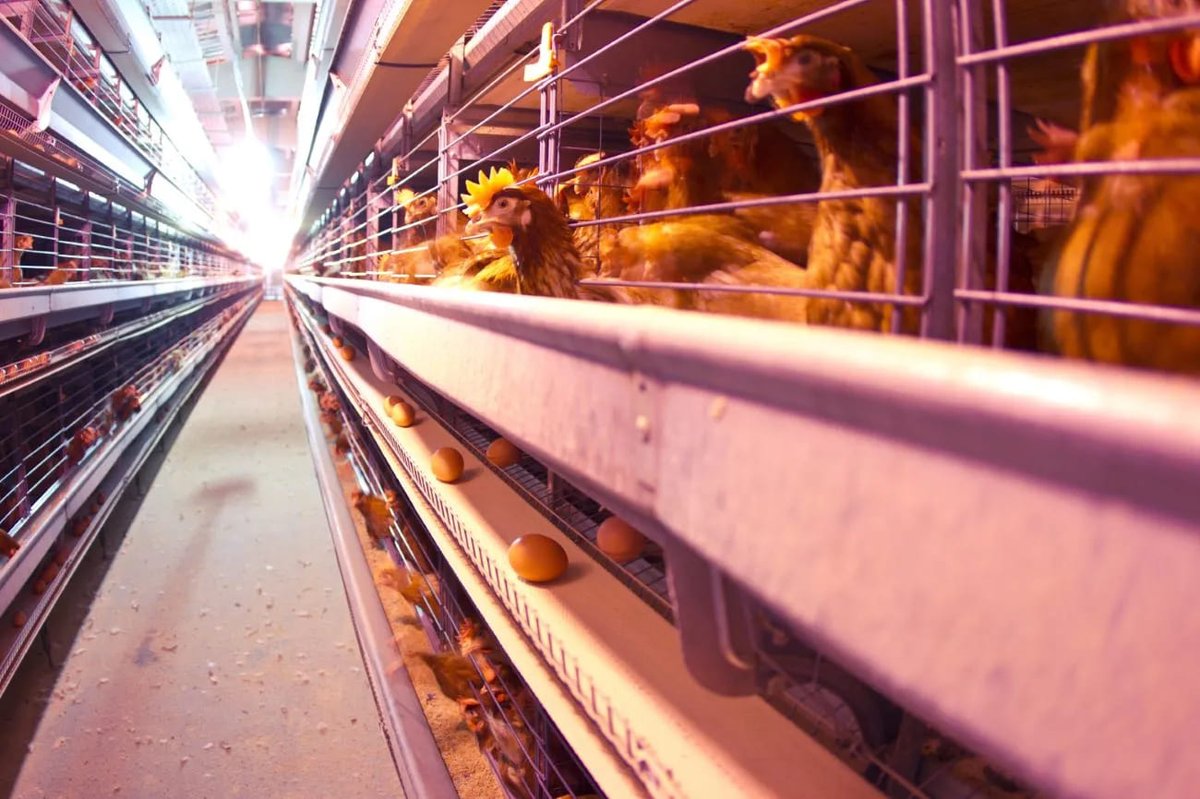
Starting a 200-layer farm in Nigeria positions you within Africa’s largest egg-producing nation, an industry worth $4.2 billion according to the United Nations Food and Agriculture Organization that supports over 25 million jobs across the value chain. Despite recent challenges that have forced many small and medium-scale poultry farms to shut down due to unsustainable feed costs, the projected 4.777% compound annual growth rate through 2033 creates genuine opportunity for well-prepared new entrants who understand current costs and industry dynamics.
This comprehensive budget guide reflects verified 2026 pricing from Nigerian feed suppliers, equipment vendors, and my own operational experience managing layer flocks through the turbulent economic conditions of recent years.
Nigeria’s Poultry Industry in 2026: Why This Matters for New Farmers
Understanding the broader industry context helps you position your 200-bird operation strategically within Nigeria’s massive poultry value chain. The country holds the #1 position in egg production across Africa and commands 24.90% of Africa’s total poultry market share according to Cognitive Market Research, making it the second-largest market on the continent behind South Africa at 40.50%.
Current Industry Position
| Metric | Figure | Significance |
|---|---|---|
| Industry value | $4.2 billion (UNFAO) | Major economic sector |
| Employment | 25+ million jobs | Direct and indirect positions |
| GDP contribution | 25%+ of Livestock Agricultural GDP | Critical food security role |
| Nigeria market CAGR | 4.777% (2025 to 2033) | Steady long-term growth |
| Africa market share | 24.90% | Second-largest African market |
Nigerian poultry production is projected to climb to approximately 269,000 metric tons by 2028, up from around 256,000 metric tons in 2023, representing an annual growth rate of 0.7% according to ReportLinker industry data. Nigeria’s poultry sector serves as a primary protein source for millions of households, and the federal government’s continued import restrictions on frozen poultry products protect domestic producers from the cheap imports that devastated local farms in the early 2000s.
Current Challenges Shaping 2026 Operations
The past two years have been brutal for Nigerian poultry farmers. According to Poultry News Africa, many small and medium-scale poultry farms have shut down due to unsustainable feed costs, while surviving operations struggle with rising input prices. Understanding these challenges helps you plan realistically.
Primary Cost Pressures:
- Maize scarcity: Constituting 50 to 60 percent of poultry feed composition, maize prices have surged due to insecurity in northern farming regions where many farms experience bandit attacks and conflicts between farmers and herders, reducing local production and increasing prices
- Naira devaluation: Essential feed supplements such as lysine, methionine, and vitamins are imported, and fluctuating exchange rates and import duties further increase the cost of these additives
- Energy costs: Most farms generate their own electricity, and power shortages increase the costs of milling and processing feed
- Transportation disruptions: Poor road conditions and high fuel prices make transporting feed ingredients expensive
2026 Industry Outlook: Speaking on ADBN TV’s Market Report in December 2025, industry analyst Dr. Micheal I. Olatunotun provided a deep dive into Nigeria’s poultry farming sector, examining rising production costs, feed challenges, market demand, pricing, export potential, and government intervention. The discussion highlighted opportunities for farmers, investors, and processors while assessing what policies and innovations are needed to stabilize and grow the sector in 2026.
Despite ongoing headwinds, the farmers who survive and thrive are those who budget accurately, manage feed efficiently, and build strong market relationships before their hens start laying.
This industry context frames why careful budgeting matters more than ever. Let us examine exactly what you will spend to launch your operation.
Why 200 Layers Is Best for Nigerian Beginners
A 200-bird operation strikes the optimal balance between commercial viability and manageable risk for smallholder farmers entering the poultry value chain. Industry experts recommend this scale because it generates meaningful income while allowing you to master critical skills before committing larger capital.
Strategic Advantages of This Flock Size
| Advantage | Practical Impact for Nigerian Farmers |
|---|---|
| Lower capital barrier | ₦2.0M to ₦3.2M total investment versus ₦35M+ for 500 POL birds in battery cages |
| Single-person management | No mandatory labor costs during learning phase |
| Faster learning curve | Mistakes cost thousands, not millions, while you master biosecurity protocols |
| Scalable foundation | Profits fund gradual expansion to 500, then 1,000 birds |
| Mortality tolerance | Losing 5% of 200 birds hurts far less than 5% of 2,000 |
Well-managed layer farms achieve 80 to 90 percent productivity rates, though my first flock averaged closer to 72% during initial laying months before I optimized feeding schedules and lighting protocols.
Maximizing Returns in Current Market Conditions
Profitability in 2026 demands deliberate management decisions that account for elevated input costs. The farmers I have observed succeeding focus obsessively on three areas:
Feed Efficiency Tactics: Feed accounts for 60 to 70 percent of poultry production expenses, making it the single largest cost determining your margins. I learned this painfully when I initially overfilled feeders, watching birds scatter expensive layers mash across the pen floor. Now I fill feeders only two-thirds full and check twice daily for spillage. Consider formulating your own layer mash once you have mastered the basics. Experienced Nigerian farmers report 15 to 25 percent savings with properly balanced homemade feed.
Disease Prevention Over Treatment: A single Newcastle Disease outbreak can eliminate 40 to 60 percent of an unvaccinated flock within days. Investing ₦50,000 to ₦80,000 in comprehensive vaccination is infinitely cheaper than losing ₦1,000,000 or more worth of point-of-lay hens. Your vaccination schedule must be non-negotiable regardless of cash flow pressures.
Market Development Before Production: The farmers earning ₦4,500 to ₦5,000 per crate are not waiting at the farm gate. They are delivering directly to restaurants and supermarkets, building WhatsApp customer lists months before their hens reach point-of-lay. Start these relationships immediately.
With strategic positioning established, let us examine your precise capital requirements using verified 2026 pricing.
200-Layer Farm Capital Costs in Nigeria (2026)
Your one-time capital investments create the foundation for profitable operations. I have verified these prices against multiple Nigerian suppliers including Quemems Farms, Afrimash, and direct vendor quotes from Lagos, Ogun, and Oyo states.
Poultry Housing Construction Costs
Your housing protects birds from Nigeria’s climate extremes: harmattan dust, rainy season humidity, and temperatures exceeding 35°C. A properly designed pen for 200 layers requires approximately 12ft × 20ft (240 square feet), providing the recommended space per bird.
| Construction Type | Cost Range (2026) | Durability | Best Application |
|---|---|---|---|
| Wood frame with zinc roofing | ₦180,000 to ₦280,000 | 3 to 5 years | Budget-conscious beginners testing the market |
| Block walls with zinc roofing | ₦300,000 to ₦500,000 | 10+ years | Serious long-term operations |
| Full concrete block construction | ₦500,000 to ₦700,000 | 15+ years | Commercial scale-up plans |
Critical housing features you cannot compromise:
- Cross-ventilation openings covering minimum 25% of wall space, essential during hot season and for proper coop ventilation
- Concrete flooring for easy cleaning and parasite control
- Roof overhang of 2 to 3 feet preventing rain entry during storms
- Wire mesh on all openings excluding predators and rodents
I initially saved money with a basic wood-frame structure but spent nearly ₦80,000 on repairs after the second rainy season when termites compromised the supports. If you are planning to farm beyond three years, invest in block construction upfront. The math favors durability.
Estimated Housing Cost: ₦180,000 to ₦700,000 depending on materials and long-term plans
Battery Cage vs Deep Litter System Selection
This decision significantly impacts startup costs, daily labor requirements, and egg quality. Industry analysis confirms battery cages are preferred for commercial layer operations, though each system serves different farmer profiles.
Battery Cage System:
Modern battery cages simplify egg collection, reduce hen-to-hen disease transmission, and minimize the egg breakage that quietly destroys profit margins. For 200 birds, you will need 2 to 3 cage units depending on capacity. Current pricing from suppliers including FRD Poultry Equipment:
A-Type Cages (stacked vertically, budget option):
- Per unit cost: ₦55,000 to ₦230,000 depending on capacity
- Best for: Small-scale operations with limited floor space
H-Type Cages (horizontal stacking, higher density):
- Per unit cost: ₦208,000 to ₦988,000 depending on capacity
- Best for: Commercial operations planning to scale
For 200 birds using A-type cages, budget ₦180,000 to ₦320,000 for a complete setup including nipple drinker systems.
Deep Litter System:
This traditional floor-based approach uses wood shavings or rice husks as bedding. While cheaper initially, it demands significantly more daily labor and creates elevated disease risk if bedding management is not meticulous. For details on system comparison, see our guide on deep litter vs battery cage housing.
| Factor | Battery Cages (A-Type) | Deep Litter |
|---|---|---|
| Setup cost (200 birds) | ₦180,000 to ₦320,000 | ₦50,000 to ₦80,000 |
| Daily labor requirement | 1 to 2 hours | 3 to 4 hours |
| Egg breakage rate | 1 to 2 percent | 5 to 10 percent |
| Disease transmission risk | Lower | Higher |
| Floor space required | 60 to 80 sq ft | 200 to 240 sq ft |
My recommendation for Nigerian beginners: Start with A-type battery cages despite the higher initial cost. The labor savings and reduced egg losses typically recover the extra investment within 4 to 6 months of production. I have watched too many farmers choose deep litter to save money, then lose that savings and more to broken eggs and respiratory issues from poor litter management.
Estimated Housing System Cost: ₦180,000 to ₦320,000 (A-type cages) or ₦50,000 to ₦80,000 (deep litter)
Feeding and Watering Equipment
Proper equipment prevents the feed wastage that quietly drains profits from poorly equipped farms. For 200 layers, you will need:
- Tube feeders (15kg capacity): 8 to 10 units at ₦4,000 to ₦6,000 each
- Bell drinkers (manual): 6 to 8 units at ₦3,000 to ₦5,000 each
- Nipple drinker line if using cages: Often included with cage purchase
Galvanized metal equipment lasts 5 to 7 years compared to 2 to 3 years for plastic, making it more economical long-term despite higher upfront costs. For detailed equipment needs, reference our feeders and drinkers calculator.
Estimated Equipment Cost: ₦50,000 to ₦85,000
Brooding Equipment for Day-Old Chicks
If you are starting with day-old chicks rather than point-of-lay hens, brooding equipment is essential for the first 4 to 6 weeks. Nigerian farmers typically use:
- Infrared heat lamp with bulb: ₦10,000 to ₦15,000
- Charcoal stove with guard: ₦6,000 to ₦10,000 (backup or primary for areas with unreliable power)
- Brooder guard (cardboard ring): ₦2,500 to ₦4,000
- Digital thermometer: ₦2,000 to ₦4,000
For proper brooding setup, maintain 32 to 35°C during the first week, reducing by 2 to 3°C weekly until birds are fully feathered around week 6.
Estimated Brooding Equipment Cost: ₦18,000 to ₦33,000
The Critical Bird Purchase Decision
This single decision determines both your initial investment and time-to-revenue. Current 2026 pricing reflects continued increases from previous years due to hatchery input costs and transportation expenses.
Day-Old Chicks (DOC) Purchase from established hatcheries such as Chi, Zatek, or Agritech to ensure strong genetic stock that minimizes mortality during brooding. Avoid unknown vendors selling suspiciously cheap chicks. The losses during brooding will far exceed any upfront savings. Reference our guide on identifying poor-quality day-old chicks before purchasing.
| Factor | Details |
|---|---|
| Cost per chick | ₦1,600 to ₦1,900 (Isa Brown, Lohmann Brown) |
| Total for 200 chicks | ₦320,000 to ₦380,000 |
| Time to first egg | 18 to 22 weeks |
| Mortality risk | 5 to 10 percent during brooding (higher with inexperience) |
| Pre-lay feed investment | ₦1,000,000 to ₦1,200,000 |
Point-of-Lay Hens (POL) Market analysis indicates POL pricing has increased substantially as farmers exit the industry. Industry data suggests raising a chick to point-of-lay costs approximately ₦9,000 per bird in total expenses, which helps explain POL market pricing:
| Factor | Details |
|---|---|
| Cost per hen | ₦5,500 to ₦7,500 |
| Total for 200 hens | ₦1,100,000 to ₦1,500,000 |
| Time to first egg | 1 to 3 weeks |
| Mortality risk | 2 to 3 percent (stress-related) |
| Immediate feed requirement | Layers mash only |
My honest assessment: If you have the capital, POL hens offer faster ROI and bypass the high-risk brooding stage where inexperienced farmers lose the most birds. However, the POL market has become volatile as farm closures reduce supply. Verify bird quality carefully and purchase from reputable Nigerian sources.
Estimated Bird Cost: ₦320,000 to ₦380,000 (DOC) or ₦1,100,000 to ₦1,500,000 (POL)
Capital Investment Summary Table
| Investment Category | DOC Route | POL Route |
|---|---|---|
| Housing construction (block) | ₦400,000 | ₦400,000 |
| Battery cage system (A-type) | ₦250,000 | ₦250,000 |
| Feeders and drinkers | ₦70,000 | ₦70,000 |
| Brooding equipment | ₦25,000 | ₦0 |
| Birds (200) | ₦350,000 | ₦1,300,000 |
| Total Capital | ₦1,095,000 to ₦1,200,000 | ₦2,020,000 to ₦2,150,000 |
These figures represent mid-range estimates for quality equipment and construction. Your actual costs will vary based on location, supplier negotiations, and construction choices.
Understanding your capital requirements is essential, but operational costs ultimately determine whether your farm survives. Let us examine those recurring expenses in detail.
Monthly Operational Costs: Feed, Vaccination, and Overhead
Operational costs, particularly feed, will consume 60 to 70 percent of your revenue. Current feed prices reflect the challenging conditions facing Nigerian poultry farmers, with costs having surged significantly due to maize scarcity, naira devaluation, and logistics disruptions.
Complete Feeding Costs From Chick to Layer
Feed represents the largest single expense in Nigerian poultry farming. Maize constitutes approximately 50 to 60 percent of poultry feed, making corn price fluctuations the primary driver of your operational costs. I have verified these prices against Afrimash, Nairaland marketplace listings, and direct vendor quotes from major feed brands including Top Feeds, New Hope, Chikun Feeds, and Animal Care.
Phase 1: Chick Mash/Starter (Weeks 0 to 8)
- Consumption: Approximately 2.2 to 2.5kg per bird over 8 weeks
- Total requirement: 450 to 500kg (18 to 20 bags at 25kg each)
- Current price per 25kg bag: ₦21,780 to ₦27,615
- Phase cost: ₦392,000 to ₦550,000
Phase 2: Growers Mash (Weeks 9 to 18)
- Consumption: Approximately 4 to 4.5kg per bird over 10 weeks
- Total requirement: 800 to 900kg (32 to 36 bags)
- Current price per 25kg bag: ₦19,000 to ₦20,200
- Phase cost: ₦608,000 to ₦730,000
Phase 3: Layers Mash (Week 18+) Once laying begins, 200 birds consume approximately 24 to 26kg of layers mash daily:
- Weekly consumption: 7 bags (175kg)
- Current price per 25kg bag: ₦15,300 to ₦21,388
- Weekly cost: ₦107,000 to ₦150,000
- Monthly cost: ₦428,000 to ₦600,000
Specific Brand Pricing (25kg bags, verified January 2026):
| Brand | Starter | Grower | Layer |
|---|---|---|---|
| Top Feeds | ₦21,780 | ₦19,990 | ₦19,660 |
| New Hope | ₦22,500 | ₦20,181 | ₦21,388 |
| Chikun Feeds | ₦20,300 | ₦18,500 | ₦15,300 to ₦16,000 |
| Animal Care | ₦23,000 | ₦19,500 | ₦18,200 |
Seasonal Cost Warning: Feed costs typically increase during October to December, known locally as the “ember months,” due to off-season demand, festive consumption, and elevated logistics costs. Budget 15 to 20 percent higher for feed during this period, or stockpile layers mash in September when prices are typically lower.
Cost-Reduction Strategy: Consider making your own chicken feed once you have established consistent production. Many experienced Nigerian farmers report 20 to 30 percent savings with properly formulated homemade feed using locally sourced maize, soybean meal, and fishmeal. Use our chicken feed calculator to estimate your specific requirements.
Alternative Feed Options: According to industry experts, farmers can reduce costs by promoting organic and locally available feed sources such as black soldier fly larvae, cassava peels, and moringa leaves. Using eggshells and bone meal for calcium, as well as herbs like garlic and neem, can improve immunity and reduce disease outbreaks.
Total Pre-Laying Feed Cost: ₦1,000,000 to ₦1,280,000
Vaccination and Medication Schedule
A comprehensive vaccination program prevents the disease outbreaks that devastate unprotected flocks. These protocols align with recommendations from veterinary professionals and Poultry Association of Nigeria guidelines:
| Age | Vaccine/Treatment | Cost (200 birds) |
|---|---|---|
| Day 1 | Marek’s Disease (usually at hatchery) | Included in chick price |
| Day 7 | Newcastle + Infectious Bronchitis | ₦5,000 to ₦8,000 |
| Day 14 | Gumboro (IBD) | ₦4,500 to ₦6,500 |
| Day 21 | Newcastle booster | ₦5,000 to ₦8,000 |
| Day 28 | Gumboro booster | ₦4,500 to ₦6,500 |
| Week 6 | Fowl Pox | ₦6,000 to ₦9,000 |
| Week 8 | Deworming | ₦4,000 to ₦6,000 |
| Week 12 | Newcastle (Lasota) | ₦5,000 to ₦8,000 |
| Week 16 | Newcastle (Komarov) | ₦6,000 to ₦9,000 |
| Week 18 | Pre-lay vaccination | ₦7,000 to ₦10,000 |
Ongoing Medication Costs:
- Vitamins and electrolytes (monthly): ₦10,000 to ₦15,000
- Coccidiostat treatment: ₦6,000 to ₦10,000
- Antibiotics (emergency reserve): ₦12,000 to ₦18,000
Total Vaccination/Medication (First 20 Weeks): ₦65,000 to ₦100,000
A veterinary consultation before starting costs ₦15,000 to ₦25,000 but prevents costly mistakes. Most disease outbreaks I have witnessed traced back to skipped vaccinations or visitors walking between farms without biosecurity measures.
Miscellaneous Monthly Operational Costs
| Expense Category | Monthly Cost | Notes |
|---|---|---|
| Electricity/fuel | ₦20,000 to ₦35,000 | Higher during brooding; consider solar power options |
| Water | ₦6,000 to ₦12,000 | Borehole reduces long-term costs |
| Bedding/litter (deep litter only) | ₦10,000 to ₦18,000 | Wood shavings, rice husks |
| Egg crates and packaging | ₦8,000 to ₦12,000 | Budget for 50+ crates monthly at peak |
| Transportation | ₦15,000 to ₦25,000 | Feed delivery, egg distribution |
| Repairs and maintenance | ₦8,000 to ₦15,000 | Average monthly allocation |
Total Monthly Miscellaneous: ₦45,000 to ₦85,000
Building Your Contingency Fund
Nigerian poultry farming presents unpredictable challenges: sudden feed price spikes, disease outbreaks, equipment failures, or harmattan season complications. The high rate of farm closures reflects how quickly operations collapse without financial buffers.
Reserve 15 to 20 percent of your total budget for emergencies. This is not optional. It is survival insurance.
Recommended Contingency: ₦300,000 to ₦500,000
With costs clearly mapped, let us walk through the practical steps of raising your flock from day-old chicks to productive layers.
Step-by-Step Guide to Raising Your 200 Layers
Phase 1: Pre-Arrival Preparation
The week before your chicks arrive determines their survival rate. I lost 12 chicks in my first batch because I had not properly tested my heating setup. Do not repeat this expensive mistake.
Essential Pre-Arrival Checklist:
- Scrub and disinfect the entire brooding area with veterinary-approved disinfectant
- Allow minimum 48 hours drying time after disinfection
- Install and test heating equipment for 24 hours before arrival
- Verify thermometer accuracy by using a second thermometer to cross-check
- Spread 3 to 4 inches of clean, dry wood shavings on the floor
- Set up circular brooder guard keeping chicks within 3 feet of heat source
- Position feeders and drinkers within the brooder ring
- Mix anti-stress vitamins in water, ready for arrival
- Confirm feed delivery is scheduled for arrival day
Temperature Verification: The brooder floor temperature, not air temperature, should read 32 to 35°C at chick height. Place your thermometer at chick level, not eye level.
Phase 2: Brooding Management (Weeks 0 to 6)
The first 72 hours are critical. Chicks stressed during transport may refuse to eat or drink without encouragement.
Arrival Day Protocol:
- Dip each chick’s beak in vitamin-enriched water before releasing into the brooder
- Scatter small amounts of chick mash on paper towels for easy finding
- Check temperature every 2 hours for the first 24 hours
- Monitor chick behavior. Huddling indicates cold, spreading to edges indicates excess heat
Daily Brooding Tasks:
- Check and adjust heat source as needed
- Refresh water twice daily, more frequently in hot weather
- Remove wet bedding immediately
- Monitor for pasty butt and clean affected chicks gently
- Record daily mortality and health observations
Temperature Reduction Schedule:
| Week | Target Temperature | Heat Source Adjustment |
|---|---|---|
| 1 | 32 to 35°C | Full heat, 24/7 |
| 2 | 29 to 32°C | Raise lamp 3 to 4 inches |
| 3 | 26 to 29°C | Raise lamp, reduce duration |
| 4 | 23 to 26°C | Heat only at night |
| 5 | 21 to 24°C | Heat only if below 20°C |
| 6 | Ambient | Remove heat source |
By week 6, properly feathered chicks can handle Nigerian ambient temperatures. However, additional heating may still be needed during harmattan season nights.
Phase 3: Grower Stage (Weeks 7 to 18)
This period builds the body condition that determines future laying performance. Underweight pullets at point-of-lay produce fewer eggs for their entire laying cycle.
Key Grower Stage Actions:
- Transition to growers mash at week 8, using a gradual 5-day changeover mixing old and new feed
- Move birds from brooder to grower housing at week 6 to 8
- Provide minimum 2 square feet per bird in grower housing
- Introduce roosting bars at week 8 to 10
- Cull visibly underperforming or sick birds, a harsh but necessary step for flock health
- Weigh a sample of 20 birds weekly to track growth against breed standards
- Follow proper starter to grower feed transition timing
Signs of Healthy Grower Development:
- Active foraging and dustbathing behavior
- Bright, alert eyes with no discharge
- Smooth, glossy feathers developing by week 10
- Consistent weight gain matching breed charts
- No respiratory sounds or nasal discharge
Phase 4: Pre-Lay and Laying Management (Week 18+)
Around week 16 to 18, prepare for the transition to laying. Watch for signs your chickens are about to lay: reddening combs and wattles, squatting behavior when approached, and increased vocalization.
Pre-Lay Preparation:
- Transition to layers mash starting week 16 to 17
- Ensure calcium supplementation is available, with oyster shell in a separate feeder
- Install or clean nesting boxes at a ratio of one box per 4 to 5 hens
- Increase lighting to 14 to 16 hours daily to stimulate laying
- Complete final vaccination before laying commences
Daily Laying Management:
- Collect eggs 3 to 4 times daily to reduce breakage and discourage broodiness
- Record daily production by bird count, as egg trays help with accurate counting
- Maintain strict coop hygiene
- Check for soft-shelled eggs indicating calcium deficiency
- Monitor for egg-eating behavior and address immediately by identifying and isolating culprits
With your flock in production, let us calculate the returns you can realistically expect in current market conditions.
200-Layer Farm Profit and ROI in Nigeria
Nigerian poultry farming delivers strong returns when managed properly, but only with accurate expectations. I have seen too many first-time farmers project 95% production rates and ₦5,500 egg prices, then become discouraged when reality differs.
Egg Price Context and Market Trends
Understanding recent egg price history helps you set realistic revenue expectations. Egg prices rose sharply over the past two years, increasing from ₦100 per egg in early 2023 to ₦150 later that year, and reaching ₦250 by 2024. Prices have since moderated somewhat as feed costs stabilized.
This historical context matters for your projections. Current prices remain significantly elevated from 2023 levels despite recent moderation.
Production Rate Expectations
Industry data from experienced Nigerian layer farmers indicates these realistic production benchmarks:
| Production Level | Daily Eggs (200 birds) | Achievability |
|---|---|---|
| Excellent (85 to 90%) | 170 to 180 eggs | Experienced farmers, optimal conditions |
| Good (75 to 84%) | 150 to 168 eggs | Well-managed first-time operations |
| Average (65 to 74%) | 130 to 148 eggs | Typical beginner results |
| Below average (under 65%) | Under 130 eggs | Indicates management issues requiring intervention |
For your projections, use 80% production rate, achievable with diligent management yet conservative enough to avoid disappointment. A good layer farm gives about 80 to 90 percent productivity according to industry benchmarks, but first-time operations typically fall in the 72 to 78 percent range during initial months.
Revenue Calculations (80% Production Rate)
Daily Production: 200 birds × 0.80 = 160 eggs Weekly Production: 160 × 7 = 1,120 eggs = 37.3 crates Monthly Production: 37.3 × 4.3 = 160 crates
Current Egg Prices (January 2026): Market pricing shows crate prices ranging from ₦4,000 to ₦4,500 depending on location, season, and buyer type. Use ₦4,200 for conservative projections.
| Timeframe | Crates Produced | Revenue (₦4,200/crate) |
|---|---|---|
| Weekly | 37 crates | ₦155,400 |
| Monthly | 160 crates | ₦672,000 |
| Annually | 1,920 crates | ₦8,064,000 |
Profit Margin Analysis
Monthly Operating Costs (During Laying):
- Layers feed (7 bags/week × 4.3 weeks × ₦17,500 avg): ₦527,000
- Miscellaneous operational: ₦65,000
- Total monthly costs: ₦592,000
Monthly Net Profit: ₦672,000 minus ₦592,000 = ₦80,000
This margin appears modest, but consider:
- Market prices fluctuate, with festive periods pushing crate prices to ₦5,000 or higher
- Feed costs decrease if you source ingredients locally or formulate your own
- Efficiency improves as you gain experience
- Additional revenue streams like spent layers and manure boost total returns
Time to Break Even
| Starting Method | Total Investment | Monthly Profit | Break-Even Point |
|---|---|---|---|
| Day-old chicks | ₦2,400,000 to ₦2,800,000 | ₦80,000 to ₦120,000 | 20 to 28 months from chick arrival |
| Point-of-lay hens | ₦2,700,000 to ₦3,200,000 | ₦80,000 to ₦120,000 | 22 to 32 months from purchase |
The DOC route requires longer time-to-first-revenue but lower total investment. The POL route costs more initially but generates revenue almost immediately, reducing cash flow pressure during the critical startup phase.
Additional Revenue Streams
Spent Layer Sales: After 72 to 78 weeks of laying, approximately 18 months, production drops significantly. Sell spent layers during festive periods. Farmers report earning ₦4,500 to ₦7,000 per bird during Christmas, Easter, and Sallah markets.
200 spent layers × ₦5,500 = ₦1,100,000 additional revenue
Manure Sales: Dried poultry manure sells for ₦2,500 to ₦5,000 per bag to crop farmers. Your 200-bird operation generates substantial manure volume. Our guide on monetizing chicken manure covers collection, processing, and sales strategies.
Cull Bird Sales: Throughout the production cycle, you will cull underperforming birds. Rather than disposing of them, sell to local buyers for ₦3,000 to ₦4,000 each.
These additional income streams significantly improve overall ROI when factored into your business plan.
Government Support and Regulatory Considerations
Understanding available support programs and regulatory requirements positions your operation for success and potential assistance.
Business Registration Requirements
Essential registrations for legal operation:
- Corporate Affairs Commission (CAC) business name registration: ₦10,000 to ₦30,000
- Poultry Association of Nigeria (PAN) membership: ₦8,000 to ₦20,000 annually
- Local government operating permit: Varies by LGA, typically ₦15,000 to ₦50,000
PAN membership provides access to training programs, market information, advocacy during regulatory challenges, and networking with experienced farmers. The connection to Poultry Association of Nigeria resources alone makes membership worthwhile. They serve as key partners with the Federal Government on policy issues affecting the industry.
Available Government Support Programs
Several federal and state initiatives support Nigerian poultry farmers:
- Agricultural loan schemes through the Central Bank of Nigeria and commercial banks participating in intervention programs
- National Livestock Transformation Plan initiatives
- State agricultural development programs offering subsidized inputs and training
- Import restriction policies protecting domestic producers from dumped foreign chicken products
For detailed guidance on accessing financial support, reference our guides on getting loans for poultry farming and grant opportunities for Nigerian poultry farmers.
Regulatory Compliance
The National Agency for Food and Drug Administration and Control (NAFDAC) and Standard Organisation of Nigeria (SON) oversee food safety standards. According to World Economic Forum analysis, there is currently a lack of ISO-certified enterprises in Nigeria’s poultry supply chain, and the value chain is not regulated on a national level. While small-scale farms face less stringent requirements than commercial processors, maintaining quality standards positions you for future expansion and premium market access.
Marketing Strategies for Maximum Egg Sales
Production means nothing without sales. Build your customer base before your hens start laying, not after eggs are piling up unsold.
Storage Considerations
Without proper storage, egg quality degrades rapidly in Nigerian heat. Invest in cool, dry storage space and plan delivery routes to minimize time between collection and sale. In Africa, on average, 50% of food produced is wasted due to inadequate temperature-controlled storage facilities according to supply chain research. This means your eggs must reach consumers quickly. Aim for delivery within 7 to 10 days of laying for optimal freshness.
Direct-to-Consumer Sales
The highest margins come from eliminating middlemen. Strategies that work for Nigerian smallholder farmers:
Farm Gate Sales:
- Display signage on main roads directing customers to your farm
- Offer slight discounts of ₦200 to ₦300 per crate for pickup to encourage direct sales
- Build WhatsApp broadcast lists for announcing availability
Home Delivery Service:
- Charge ₦700 to ₦1,500 delivery fee per trip, or build it into crate pricing
- Establish regular delivery routes and days
- Use insulated containers protecting eggs during transport
Business-to-Business Partnerships
Target Customers:
- Local restaurants and hotels as consistent high-volume buyers
- Supermarkets and grocery stores that require reliability and consistency
- Bakeries, often overlooked but significant egg consumers
- Schools and institutional caterers
Building B2B Relationships:
- Offer initial discounts for 30-day trial periods
- Provide weekly delivery schedules with consistent timing
- Maintain strict quality standards, as one bad batch can end a relationship
- Accept payment terms such as Net 7 or Net 14 for larger accounts
Digital Marketing Channels
| Platform | Best Use | Content Approach |
|---|---|---|
| Direct orders, customer lists | Price updates, availability alerts | |
| Community building, testimonials | Farm photos, customer reviews, educational content | |
| Brand building | High-quality egg photos, farm life documentation |
Nigerian consumers increasingly want to know where their food comes from. Document your operations, share your story, and build trust through transparency. Our guide on legally selling backyard eggs covers additional considerations.
Frequently Asked Questions
How many bags of feed do 200 layers consume before they start laying?
From day-old to point-of-lay, approximately 18 weeks, 200 birds consume approximately 50 to 56 bags of feed: 18 to 20 bags of chick mash during weeks 0 to 8 and 32 to 36 bags of growers mash during weeks 9 to 18. At current 2026 prices averaging ₦20,000 to ₦24,000 per bag, budget ₦1,000,000 to ₦1,280,000 for pre-lay feeding costs. This represents the largest single expense before revenue begins flowing.
Which layer breed performs best in Nigerian conditions?
Isa Brown and Lohmann Brown dominate Nigerian commercial layer farming due to exceptional heat tolerance, disease resistance, and consistent production rates of 300+ eggs annually under good management. Purchase from established hatcheries such as Chi, Zatek, or Agritech to ensure quality genetic stock. For broader breed options, explore our beginner-friendly breeds guide.
What size housing do 200 layers require?
A minimum of 240 square feet, approximately 12ft × 20ft, ensures adequate space for 200 birds. In battery cages, you can house birds more densely, but proper ventilation becomes even more critical. Reference our detailed coop sizing guide for calculations.
Can I start a poultry farm in a residential area?
Most Nigerian states have zoning regulations restricting livestock operations in residential zones. Contact your Local Government Authority before investing. Common requirements include minimum distance from neighbors of 50 to 100 meters, odor control measures, and waste management plans. Non-compliance can result in fines and forced closure. Verify regulations before committing capital.
How do I prevent common diseases like Newcastle and Gumboro?
Prevention requires a three-pillar approach: vaccination following the schedule outlined above, biosecurity including restricted farm access, equipment disinfection, and quarantine for new birds, and nutrition since well-fed birds have stronger immune systems. Most disease outbreaks trace back to skipped vaccinations or visitors walking between farms without boot changes. Your biosecurity plan is your first line of defense.
When should I consider scaling beyond 200 birds?
Scale up only after achieving consistent 75% or higher production rates for 6 or more consecutive months and establishing reliable market channels. Many farmers rush to expand after early success, only to struggle when management gaps become amplified at larger scale. Master the fundamentals with 200 birds, document your systems, then consider scaling operations using proven suppliers and processes.
What is the realistic profit timeline?
With day-old chicks, expect 18 to 22 weeks before first eggs, then 8 to 12 additional months to recover initial investment. With point-of-lay hens, production begins within 1 to 3 weeks, but higher upfront costs mean similar overall break-even timelines of 22 to 32 months. Profitability accelerates in year two when capital costs are recovered and you have optimized operations.
Building a profitable 200-layer operation in Nigeria demands accurate budgeting, disciplined management, and relentless attention to feed efficiency. With Nigeria’s poultry market projected to grow at a 4.777% CAGR through 2033 according to market research analysts, genuine opportunity exists for prepared farmers entering the market. Use this guide as your roadmap, adjust figures based on your specific location and supplier relationships, and begin building your poultry business foundation today.
Questions about costs or challenges specific to your state? Drop them in the comments below. I respond to every serious inquiry from fellow Nigerian farmers.

Oladepo Babatunde is the founder of ChickenStarter.com. He is a backyard chicken keeper and educator who specializes in helping beginners raise healthy flocks, particularly in warm climates. His expertise comes from years of hands-on experience building coops, treating common chicken ailments, and solving flock management issues. His own happy hens are a testament to his methods, laying 25-30 eggs weekly.